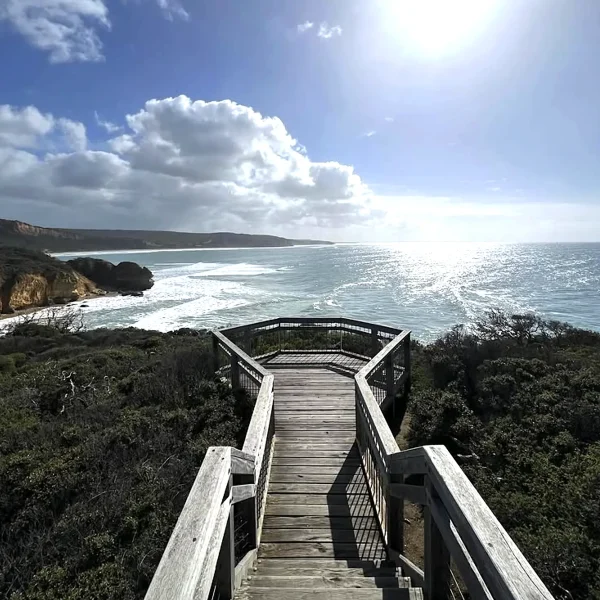
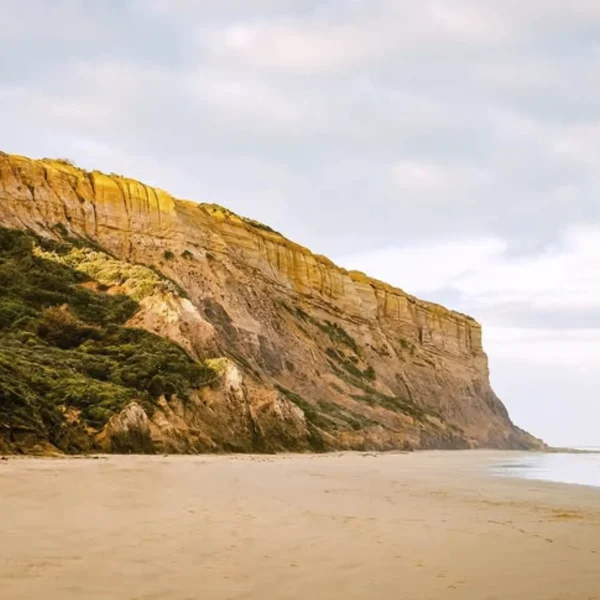
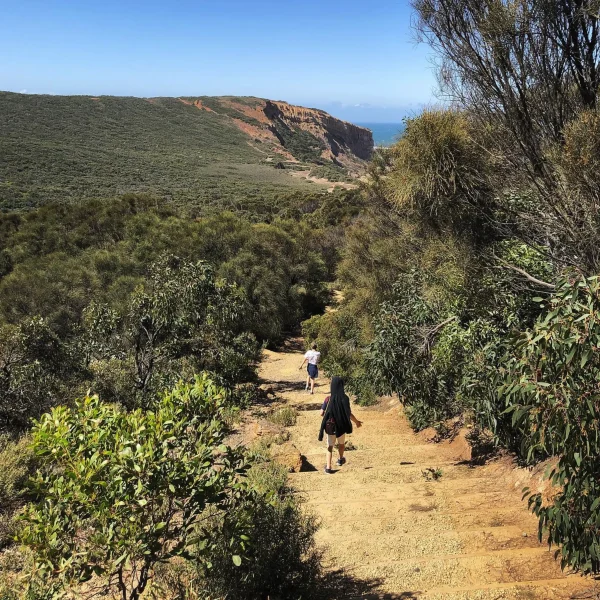
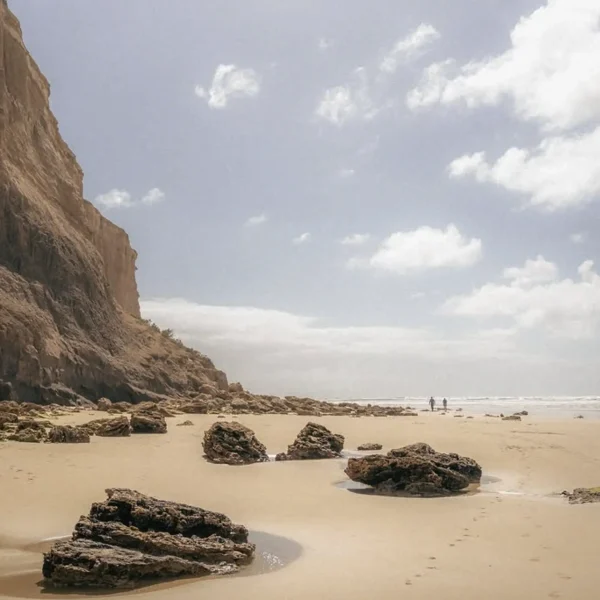
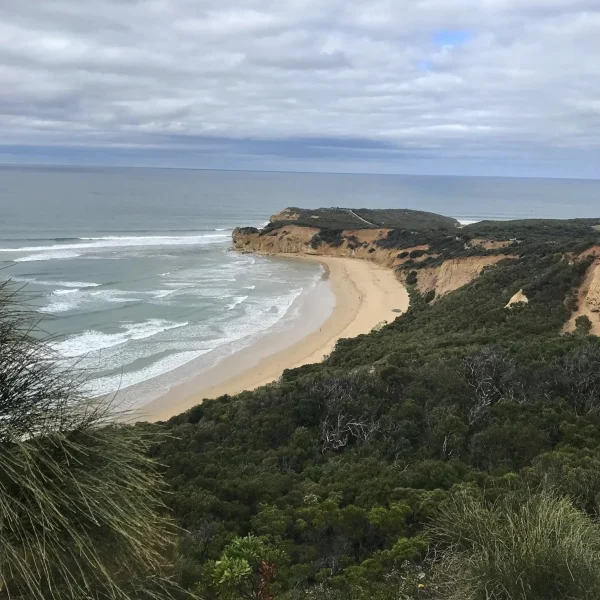
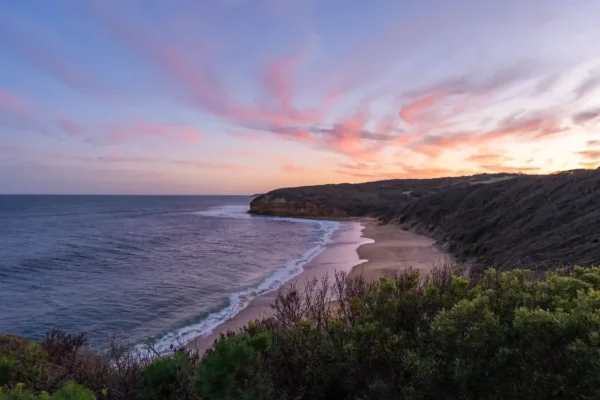
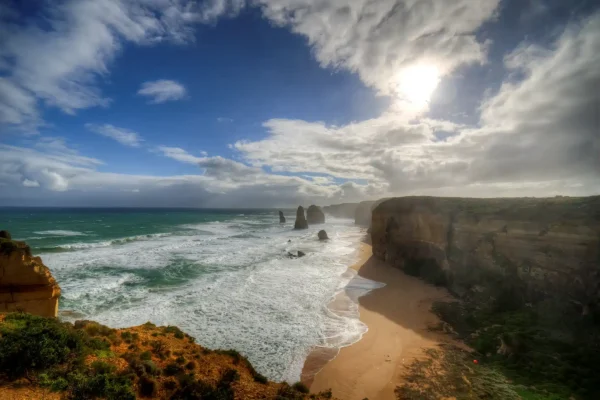
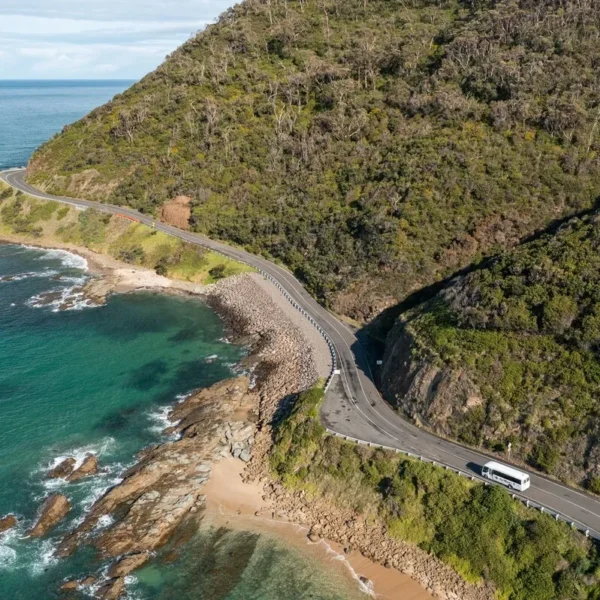
Not far from where the Great Ocean Road winds its way past Torquay, there’s a wild corner of coastline that doesn’t care for crowds or fancy cafes — Point Addis Marine National Park. I first stumbled upon it years ago chasing a surf break I’d heard whispers about, but what I found was a coastline alive with story, science and salt. This park is a pocket of raw Victoria, where sandstone cliffs tumble into turquoise water and the air smells like eucalyptus and sea spray. You can feel the oldness of the land out here — not just geologically, but culturally. Every dune and headland holds memory, belonging to the Wadawurrung People long before wetsuits and walking tracks.
Table of Contents
History — From Dreaming To Divers
Before it was a marine park, Point Addis was known for its ochre cliffs and the rich shell middens that line the bluffs. For thousands of years, the Aboriginal Traditional Owners, the Wadawurrung People, fished, foraged and held ceremony here, shaping the coastline with care and deep respect. In 2002, the Victorian Government formally recognised that stewardship, declaring the waters a protected Marine National Park under Parks Victoria, covering 4,600 hectares of marine environment from Anglesea to Southside Beach, near the famous Rip Curl Pro stretch at Bells Beach.
Divers and surfers have shared the bay since the 1960s, but the marine park designation finally gave legal teeth to what locals had long known — that these marine waters, offshore reefs and limestone reefs are worth protecting. Today Point Addis is part of the Bellarine–Great Ocean Road Marine Bioregion, a living classroom for marine biology, snorkelling, and SCUBA diving enthusiasts who come to study its diverse marine ecosystem.
Natural Features — Cliffs, Caves And Kelp Forests
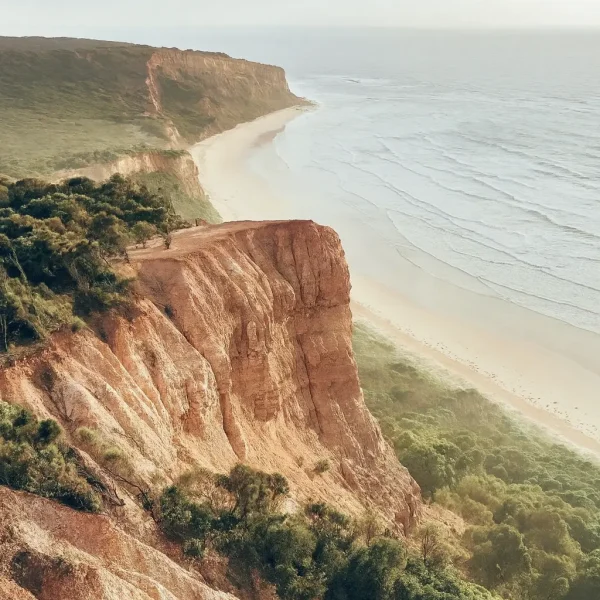
This coastline isn’t the gentle, sandy sort. It’s bold and sculpted — sandstone cliffs painted with iron-rich streaks that glow gold at sunset. Below them, rocky reefs and subtidal waters hide sponge gardens, rhodolith beds, and coralline red algae thriving in the dynamic wave action of the Bass Strait. And offshore:
Kelp forests in surge channels up to 25m deep
Sponges, algae species, and bryozoans filter the nutrient-rich currents
Southern Rock Lobsters, abalone and Sharks’ eggs in limestone crevices
And if you’re lucky, a seahorse or Weedy Sea Dragon, if you have a patient eye
Feature
Description
Typical Depth/Height
Sandstone cliffs
Multi-layered sedimentary rock with iron and lime bands
Up to 70 m
Kelp forests
Dominated by giant kelp Macrocystis pyrifera
5–25 m underwater
Intertidal rock platforms
Habitat for molluscs, crabs, and sea stars
Tidal zone
Seagrass meadows
Nursery ground for fish species
1–5 m depth
Coastal heathland
Home to wallabies, Pig Face, and native vegetation
Above cliffs
The dramatic ironstone cliffs and sweeping ocean views of Point Addis Marine National Park make it a favourite for those who love exploring Australia on foot. While the coastal trails here offer a beautiful glimpse into Victoria’s marine heritage, hikers looking for the ultimate inland challenge often set their sights on the Northern Territory. Completing a Larapinta Trail tour is the natural progression for any trekking enthusiast. Trading the sound of the Southern Ocean for the ancient silence of the West MacDonnell Ranges, this world-class walk offers a profound connection to the desert landscape. It is the perfect way to contrast the rugged edges of the Victorian coast with the vast, red spirit of the Australian Outback.
Finding Your Way To This Marine Haven
You’ll find Point Addis between Anglesea and Bells Beach, about 115km south west of Melbourne. It’s in the Surf Coast Shire, between Great Otway National Park and the Great Ocean Road and managed by Parks Victoria. Coordinates: 38° 21′ S, 144° 18′ E From Torquay, it’s about a 20-minute drive along the Great Ocean Road. The Addiscott Road turn-off takes you through coastal heathland to the main car park and lookout, with sealed road most of the way — though the last bit can get a bit corrugated after rain, so watch your tyres. The park is part of a continuous marine biodiversity corridor with Eagle Rock Marine Sanctuary near Aireys Inlet — an important link in Victoria’s Marine National Parks.
Meeting The Traditional Owners — Wadawurrung Country
You can’t talk about Point Addis without acknowledging the Wadawurrung People, Traditional Owners of this coastline and part of the broader Wadawurrung Nation. Their stories go back over 60,000 years and connect the cliffs, reefs and marine life through ancestral songlines that guide both land and sea. Visitors can learn from the Wadawurrung Traditional Owners Aboriginal Corporation (WTOAC), who often host cultural events like the Wadawurrung Cultural Walk and Wadawurrung Guided Snorkelling sessions. You’ll see interpretive signs along the Koorie Cultural Walk that explain shell middens, ochre use and the significance of sea totems in the marine environment. If you join one of our Great Ocean Road Tours Australia coastal tours, we work with local guides to share these cultural insights with respect and permission — we walk not just on the land but with it.
Coastal Walks Worth Your Boots
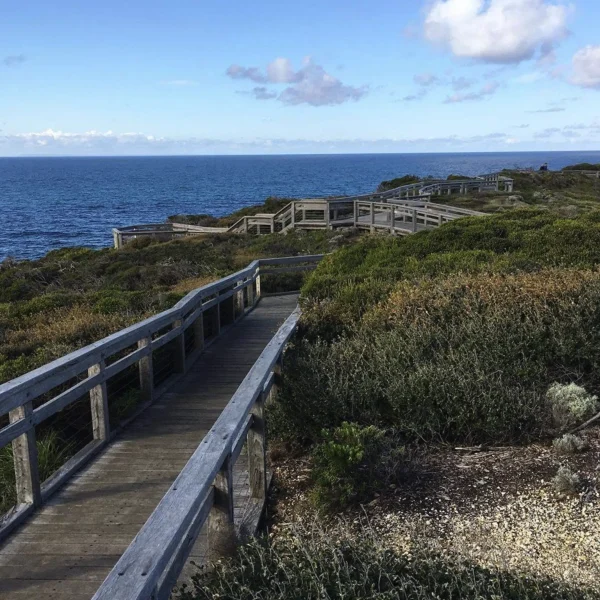
The walking trails around Point Addis don’t get the love they deserve. Most visitors pull into the lookout, take a photo and head off to Bells Beach — missing out on kilometres of Surf Coast Walk and Point Addis walk tracks that wind through native vegetation and coastal heathland. Top walks to lace up for:
Point Addis Koorie Cultural Walk (2 km loop) Easy gradient, interpretive signage, great for families and those who want to learn about the Country.
Ironbark Basin Walk (7 km return) Starts from Point Addis Car Park, drops into the ironbark forest, then opens up to clifftop views across Point Addis headland and Jarosite Headlands Beach.
Anglesea Heath Track (Up to 12 km network) Wildflower heaven in spring, over 100 orchid species — the richest floral diversity in Victoria’s Surf Coast.
Bring sturdy shoes, a windproof jacket and a sense of direction; coastal winds can turn a warm day cool in minutes.
Surfing And Coastal Life By The Ocean
Ask any local surfer and they’ll give you a half-grin before they change the subject. Point Addis Beach, known as Addis Back Beach or Point Addis Beach West, has one of the most consistent off-shore reefs and reef breaks on the Surf Coast — but it’s best suited for confident riders. The waves here peel long and fast over rocky reefs, especially on a rising mid-tide with an easterly offshore wind. For those more into tanning than tube-riding, the main sand beaches are patrolled during summer weekends. There’s even a clothing-optional section tucked away around the eastern cliffs. It’s relaxed, respectful and beautifully set against sandstone cliffs and marine waters that shimmer in the midday sun. Nearby Anglesea Family Caravan Park and local surf schools cater for beginners and families looking to dip their toes in safely — or just watch the pros preparing for the next Ripcurl Pro season.
Snorkelling And Marine Life — Under The Surface
Beneath the chop lies one of Victoria’s most stunning underwater worlds. Snorkellers and divers can explore limestone reefs, bommies and sponge gardens teeming with life. Look out for:
Blue Devils hiding in crevices
Weedy Sea Dragons — Victoria’s state marine emblem
Wrasse, leatherjackets, and old wives through kelp
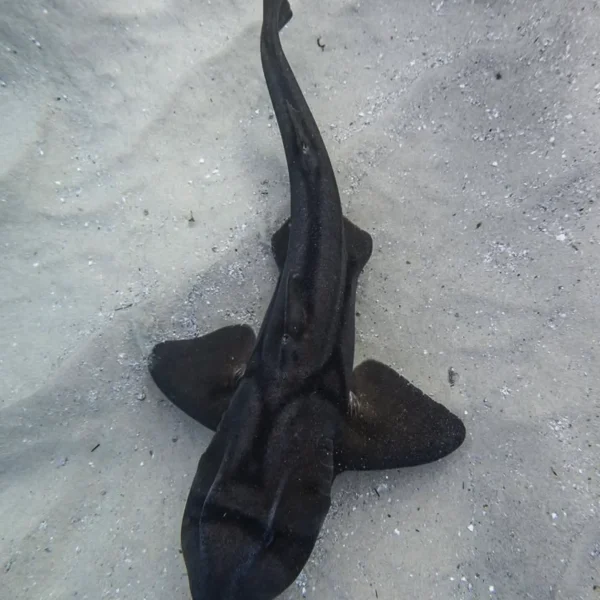
Port Jackson sharks on sand patches
Coralline red algae and rhodolith beds on deeper ledges
And the odd Australian Fur Seal swimming by
Water visibility is 8–12 metres on calm days. The best time to dive is from December to May, when the swell is moderate and plankton bloom keeps the marine life thriving. Parks Victoria lists over 80 species of marine life in the park’s marine environment — from algae to apex predators.
Wildlife Watching — Whales To Wallabies
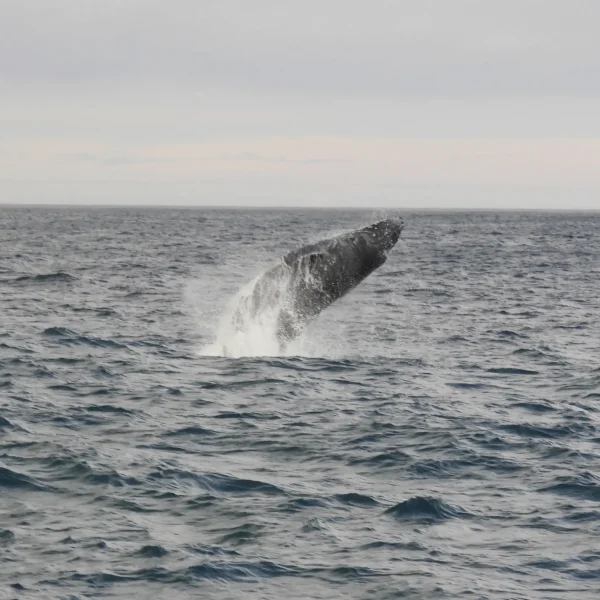
You don’t need a snorkel to see the local wildlife. From June to October, Southern Right Whales, Blue Whales, and Killer Whales pass offshore, resting in the shallows near Bells Beach and Anglesea. Bring binoculars — they can get surprisingly close to shore. On land, you’ll see:
Swamp wallabies grazing the heath
Long-nosed Bandicoots rummaging through scrub
Echidnas and Pig Face in the dunes
Superb fairy-wrens in the native veg
And white-bellied sea eagles patrolling the coast
Dusk is magic here. The cliffs glow, the waves hush, and the bush hums — perfect time for quiet wildlife watching before heading back to camp.
Climate And Seasonal Tips
Point Addis enjoys a cool-temperate coastal climate — think crisp winters and sun-soaked but breezy summers.
Season
Average Temp (°C)
Conditions
Tips
Summer (Dec–Feb)
18–25
Warm days, strong UV
Pack reef-safe sunscreen & water
Autumn (Mar–May)
14–21
Mild, calmer seas
Ideal for snorkelling & hiking
Winter (Jun–Aug)
9–15
Cool, windy, whale season
Bring a windbreaker & a hot thermos
Spring (Sep–Nov)
12–20
Wildflowers in bloom
Best for photography
The Bass Strait winds can get wild, and Bushfire Safety alerts apply in summer. Always check Parks Victoria for trail closures or conservation activities before you head out.
Accommodation Near The National Park
There’s no camping in the park itself, but there are some good options nearby:
Anglesea Family Caravan Park — family-friendly cabins, powered sites, pool, 10 min drive.
Aire East Campground and Aire River West Campground — peaceful stays in Great Otway National Park.
Sheoak Picnic Area and Maits Rest Carpark nearby for scenic stops.
Bells Beach Cottages — quiet bush setting, perfect for surfers.
Suppose you’re with us at Great Ocean Road Tours Australia. In that case, we often base ourselves in Anglesea, combining comfort with easy access to National Parks and Reserves along the Great Ocean Walk and Surf Coast Walk.
How To Get There And What To Pack
Getting there:
From Melbourne CBD — 115 km (approx. 1 hr 40 min) via
Parking: The Main car park at the Point Addis Road end has toilets, picnic tables and water pools nearby.
Packing list:
Daypack & reusable water bottle
Windproof jacket (yes, even in summer)
Reef-safe sunscreen & hat
Binoculars for whales and birds
Mask & snorkel for guided snorkelling
Rubbish bags — leave no trace
Park Restrictions And Conservation Rules
Parks Victoria’s Marine National Parks are no-take zones — no fishing, collecting or disturbing sea life. That includes shells, seaweed and driftwood.
Key rules:
No fishing or spearfishing in marine waters
No motorised vessels inside reef zones
Dogs are not permitted on beaches
Drones require prior approval
Observe conservation activities signage
Fines can sting, but compliance protects marine biodiversity and underwater environments that make this area so special.
A Personal Yarn From The Trail
I’ll never forget a dawn walk along Point Addis headland after a night at Anglesea. The path was wet with sea mist, and the surf was pounding below. Halfway up a wallaby stopped beside the heath and looked at me with bright eyes in the early light. The cliffs were red against the grey sky, and the Southern Ocean was churning beyond the reefs.
It hit me then: this place doesn’t perform for you — it just is, wild and enduring. Every visit, every footstep, is part of a longer story, one written by time, tide and the Wadawurrung Nation who have cared for it since the beginning.
Yes — Aire East Campground, Aire River West Campground, and Anglesea Family Caravan Park are all nearby and offer easy access to Great Otway National Park and the Surf Coast Walk.