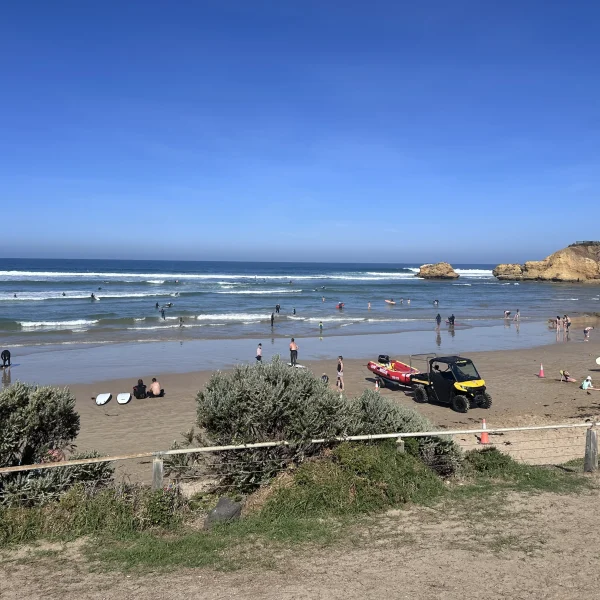
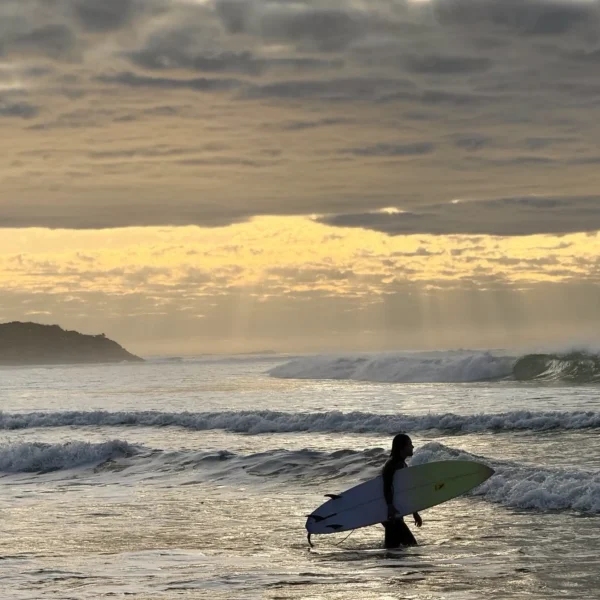
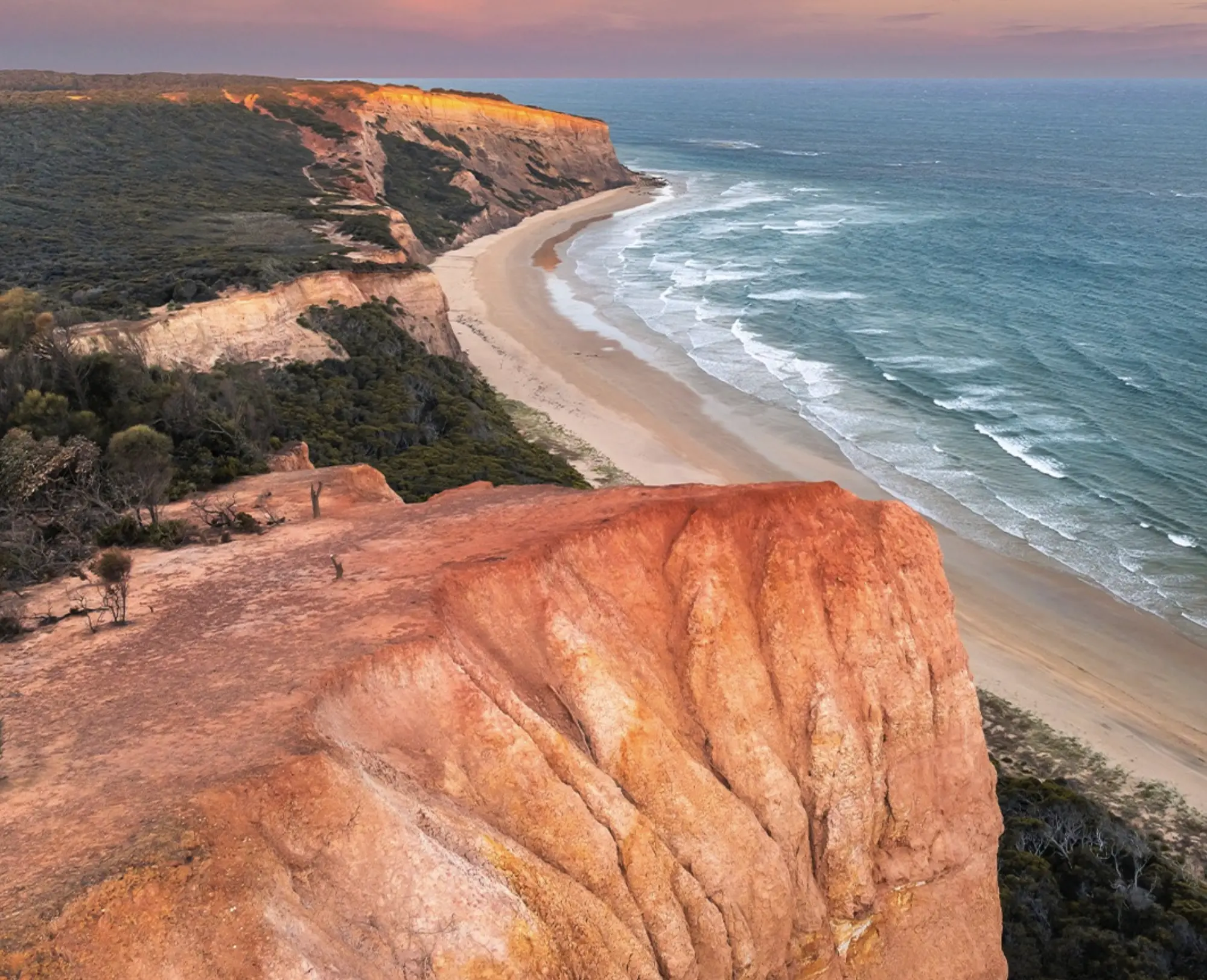
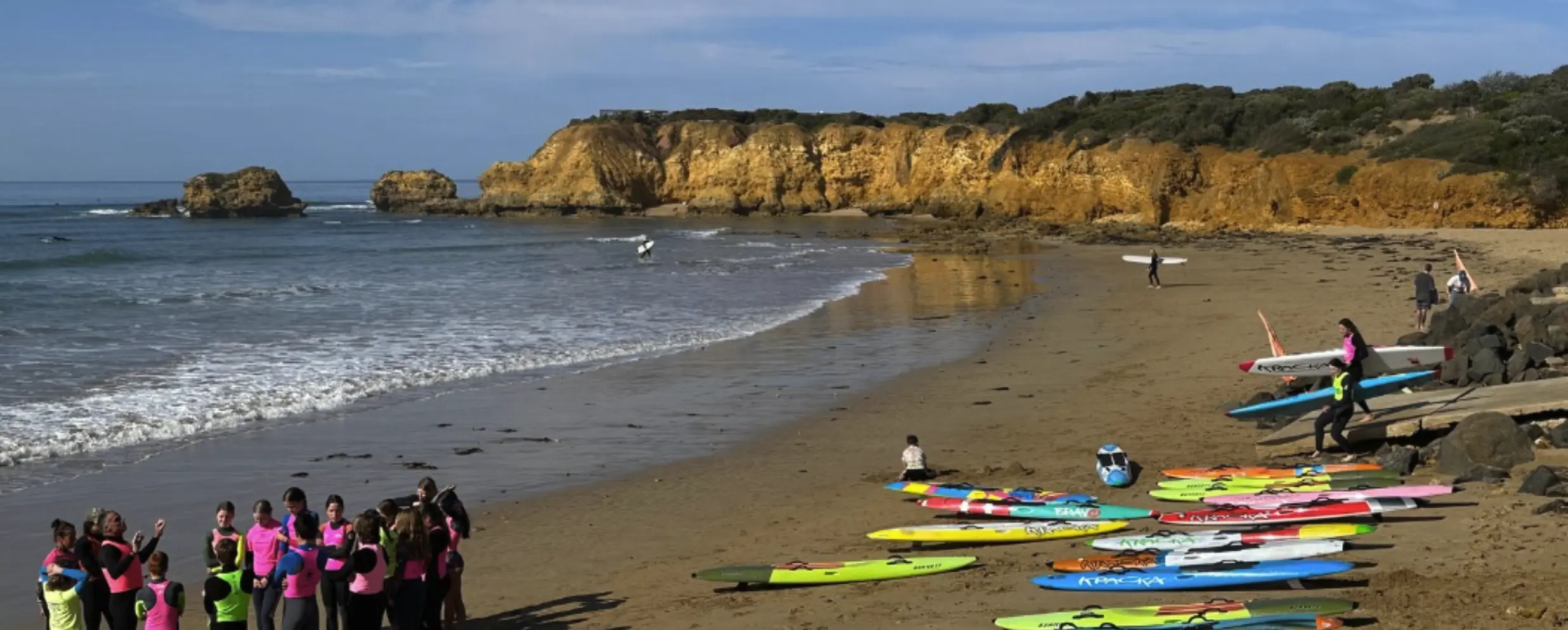
Not many places in Australia wear their salt spray and swagger quite like Torquay Surf Beach. I’ve spent enough years guiding trips down the Great Ocean Road to know the feel of this place — the tang of sea air in your lungs, the sound of waxed boards scraping against ute trays, and the first sight of a glassy swell rolling in under the Bass Strait sun. This beach isn’t a show pony; it’s the beating heart of Victoria’s Surf Coast — the spot where surf culture, coastal living, and ocean respect collide. Down here, the day begins with a paddle and ends with a sunset beer on the dunes. Whether you’re chasing your first stand-up or carving clean lines with the locals, Torquay Surf Beach delivers the real deal.
Table of Contents
Coastal Capital Of Australia
Torquay isn’t just another coastal stop — it’s Australia’s official surf capital. This is where brands like Rip Curl and Quiksilver were born, and where the sport shaped an entire town’s identity. From Easter surf carnivals to the buzz of groms sprinting barefoot across the car park, Torquay’s got saltwater in its DNA.
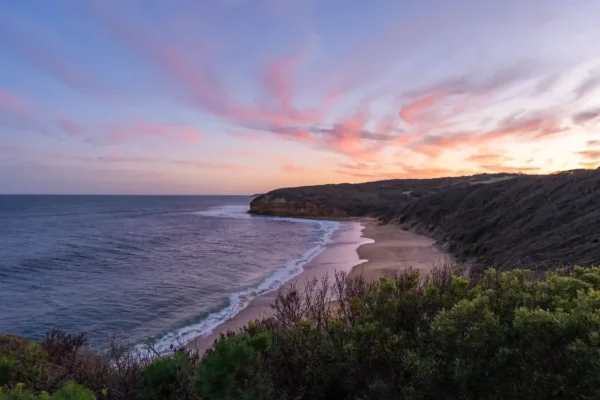
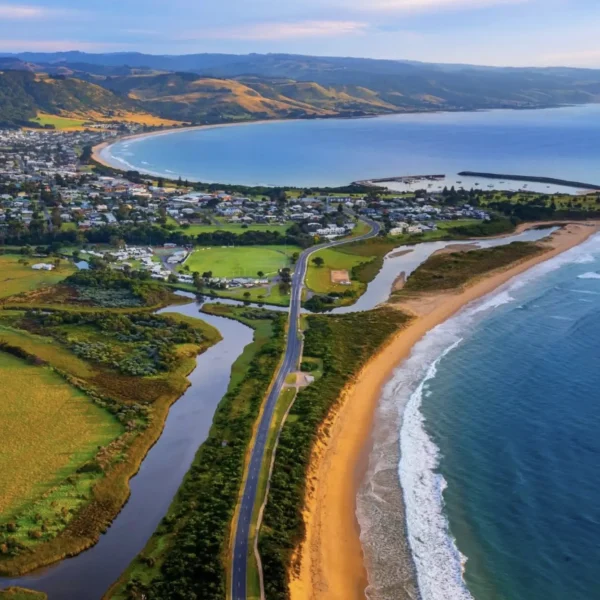
It’s the gateway to the Surf Coast Shire, sitting 95 kilometres southwest of Melbourne, where cliffs tumble into blue water and the Great Ocean Road officially kicks off. Surf Beach itself sits snug in Torquay Front Beach Reserve, flanked by Point Danger to the east and Zeally Bay to the west — a natural amphitheatre of rolling waves and sea breeze.
Read The Water Before You Paddle
Before you dive into any set, you’ll want to understand the local conditions — Torquay Surf Beach can be a mixed bag depending on the season and tide.
Season
Water Temp (°C)
Average Swell Height (m)
Best For
Notes
Summer (Dec–Feb)
18–21
0.8–1.5
Beginners, families
Warm, busy, patrolled daily
Autumn (Mar–May)
17–19
1.2–2.5
Intermediate surfers
Offshore winds, best surf season
Winter (Jun–Aug)
14–16
1.5–3.5
Advanced surfers
Cold, powerful swell
Spring (Sep–Nov)
15–18
1.0–2.0
All levels
Variable winds, quieter beaches
Local tip from Paul: Always check the Surf Life Saving Victoria forecast and local surf cam before heading out. This coastline faces the Bass Strait — she can change her mood faster than a kook losing a fin key.
Mastering The Waves
Torquay Surf Beach isn’t a single lineup — it’s a series of micro-breaks that shift with tide and swell. Down toward the river mouth, you’ll find soft, rolling waves perfect for learners. Around the middle bank, sandbars can produce fast, punchy lefts. On bigger swells, the right-handers off Point Danger light up beautifully — if you know how to handle them. If you’re new to surfing, sign up with one of the local surf schools. Go Ride a Wave and Torquay Surf Academy both offer group lessons, private coaching and the all-important surf safety rundown. You’ll learn how to spot rips, pop up properly and share the lineup without copping an earful. Trust me — it’s better to pay for a pro lesson than to get dragged halfway to Lorne by a rogue current.
Gear Up: Surf Shops And Rentals
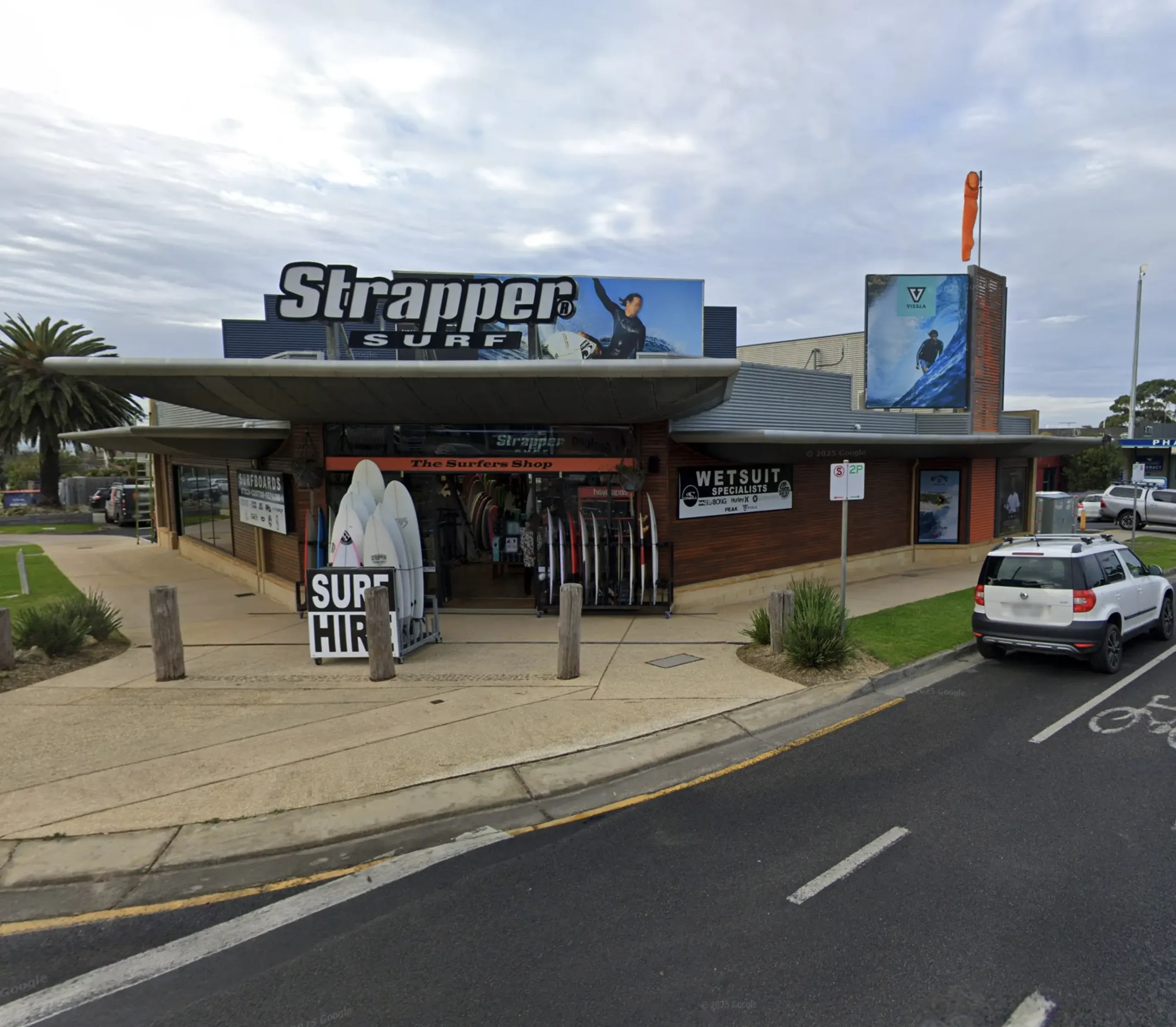
Torquay remains a mecca for board-hungry travellers. Inside Surf City Plaza, you’ll find the full spectrum — from beginner soft-tops to precision-shaped boards tuned for The Bowl at Bells. Rip Curl HQ even lets you peek inside their wetsuit factory, a tribute to decades of innovation. Local shops like Strapper Surf, Gash Surfboards and Sea Earth Adventures stock quality gear, rentals and expert advice. Whether you’re chasing a fish, mini-mal or high-performance shortboard, you’ll find it here. Most rentals include a wetsuit, leash and wax for about $50 a day — cheaper if you book online or show up mid-week. Handy checklist before you paddle out:
Board waxed and leashed
Sunscreen (reef-safe, please)
Rashie or wetsuit (3/2 mm in summer, 4/3 mm in winter)
Hydration (the offshore winds can dry you out quickly)
Awareness of flags and patrol areas
Access And Amenities For Visitors
Torquay Surf Beach is easy to reach and even easier to enjoy. There’s a big car park off The Esplanade with showers, toilets, picnic tables, and shaded areas for families. Beach access ramps make it easy to lug your gear down, and the Surf Lifesaving Club keeps a close watch during patrol season (November through April).
Accessibility’s decent too — there’s a beach wheelchair service and matting during peak season, so everyone can enjoy the sand. Whether you’re hauling a longboard or a pram, Torquay’s set up to make your day easy.
Local Life: The Rhythm Of The Surf Coast
There’s a special rhythm to Torquay — a mix of salt, sunscreen and slow mornings. Locals live by tide charts and wind maps, and the social calendar revolves around surf comps and community markets. You’ll feel that community vibe at places like the Torquay Farmers Market, every Saturday morning, or the Torquay Hotel, where surfers refuel after a long day in the surf. For nature lovers, trails run through Point Danger Marine Sanctuary, home to rocky reefs, kelp forests and over 70 marine species — leatherjackets to weedy sea dragons. It’s part of the same marine protection network as Point Addis Marine National Park, so it’s a treasure for snorkellers and divers too.
Staying Safe In The Surf
Torquay might look mellow, but rips and currents can move faster than a southerly front. Always check the conditions at the Torquay SLSC before you paddle out and stick between the flags. Safety checklist:
Check the wind forecast and swell variation.
Wear neoprene boots in winter to stop your toes from going numb.
Warm up before you paddle — cold water shock is real.
Surf with a mate or in sight of the patrol tower.
Respect right-of-way at crowded surf spots like Rocky Point and Torquay Point.
Best Time To Visit
Autumn is the local favourite — glassy mornings, offshore winds and fewer crowds once the school holidays are over. Summer is more forgiving for learners, with smaller waves, warmer water, and longer daylight hours. Winter brings the big stuff — Bells Beach waves — but also cold water and winds that’ll make your knuckles ache.
Spring is the wildcard — crisp mornings, unpredictable winds and the occasional perfect day that reminds you why Victorians surf through anything.
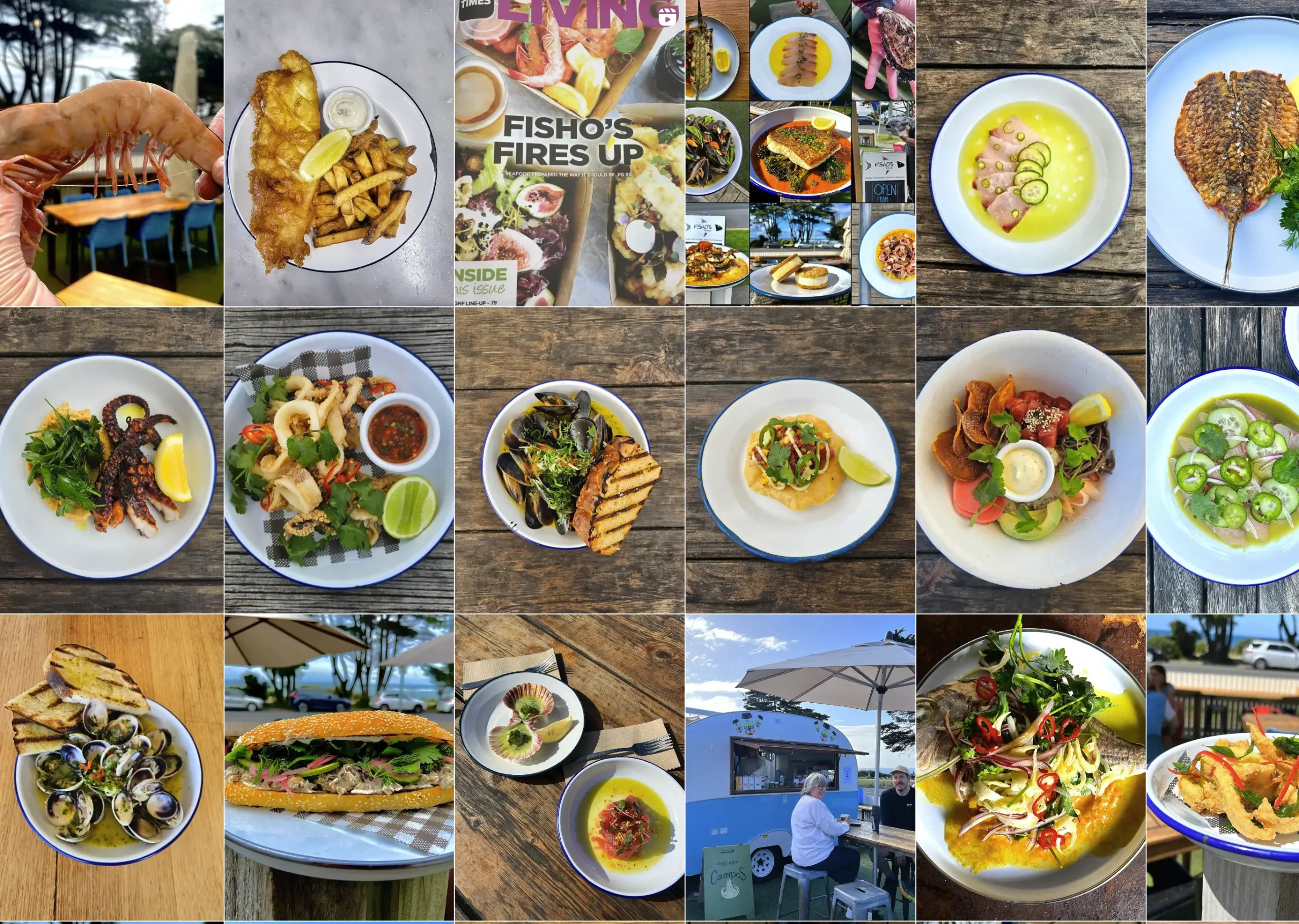
Where To Eat And Unwind
Nothing beats a post-surf feed. Here are my go-tos within walking distance of the beach:
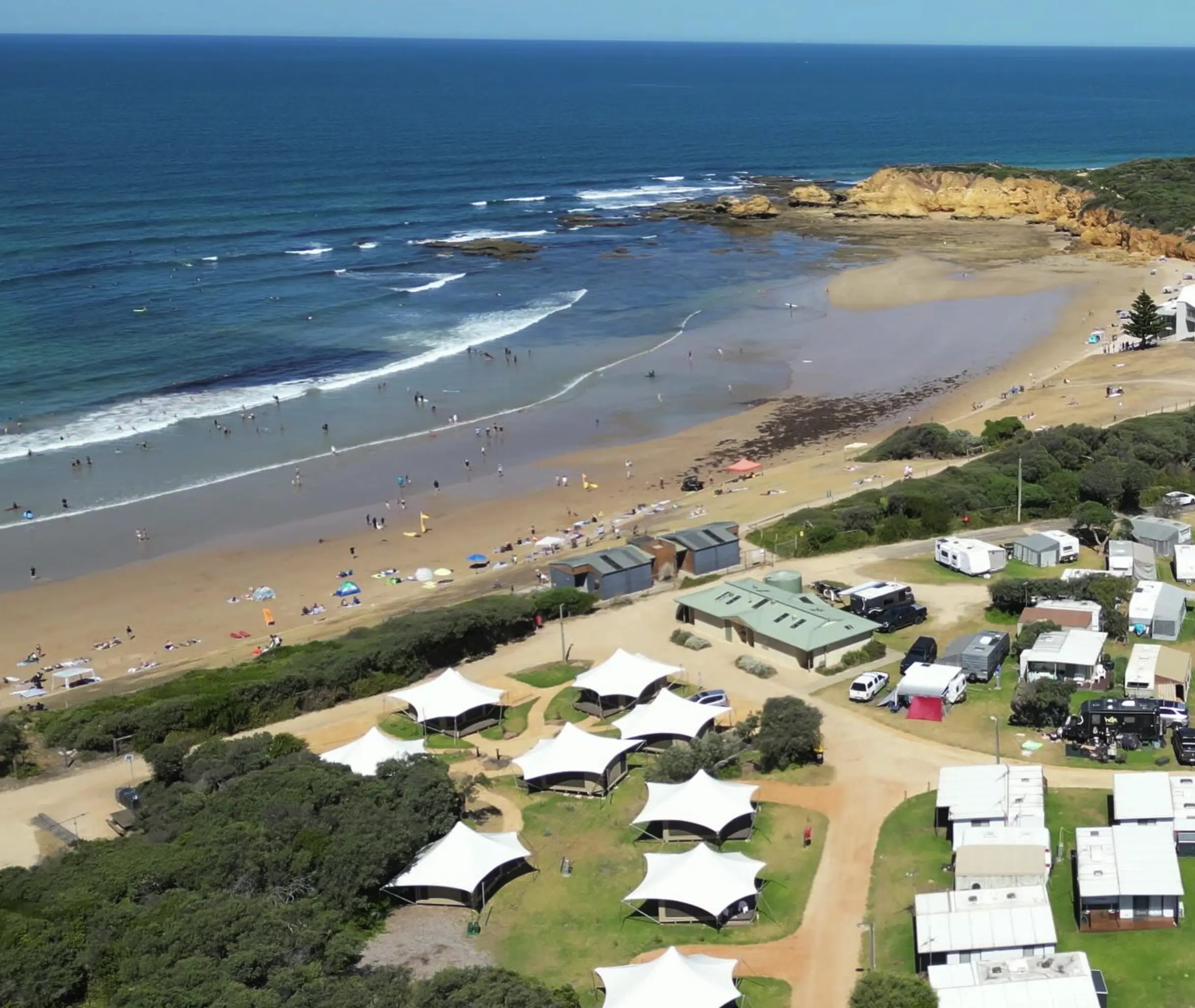
Whether you’re here for a weekend comp or a month of dawn patrols, there’s accommodation to suit every budget. The Torquay Foreshore Caravan Park is right on the beach, and the RACV Torquay Resort has spa treatments for post-surf recovery. Boutique stays like Wyndham Resort Torquay are for couples who want sea views and surf shacks near Jan Juc Beach, which puts you close to Bells Beach.
Getting There
Driving: 1.5 hours from Melbourne via M1 (Princes Freeway) and Surf Coast Highway.
Public Transport:V/Line train from Southern Cross Station to Geelong, then bus to Torquay.
By Tour: We run Great Ocean Road Tours Australia that include a surf stop or coffee at Torquay Surf Beach — if you’d rather leave the keys behind.
Climate And Weather
Victoria’s coastal weather is as unpredictable as a rogue set. Summers are 30 °C with fierce UV, winters are 10 °C and bring big SW swells. Autumn is calm and golden, spring is crisp with surprise sunshine. Average Conditions:
Air Temp: 8 – 30 °C
Sea Temp: 13 – 19 °C
Prevailing Wind: NW (offshore)
Rainfall: Low to moderate year-round
Pack layers — one minute you’ll be sun-baking, the next you’ll wish for a puffer jacket.
Local Insider Hacks
Every local has a few secrets up their sleeve. Here are mine:
Get in the water by sunrise to beat the Surf City crowds.
Low tide reveals better point breaks at Torquay Point and The Bowl.
Mid-week surf lessons get more one-on-one time with your surf instructor.
Check Torquay SLSC social media for real-time wind history.
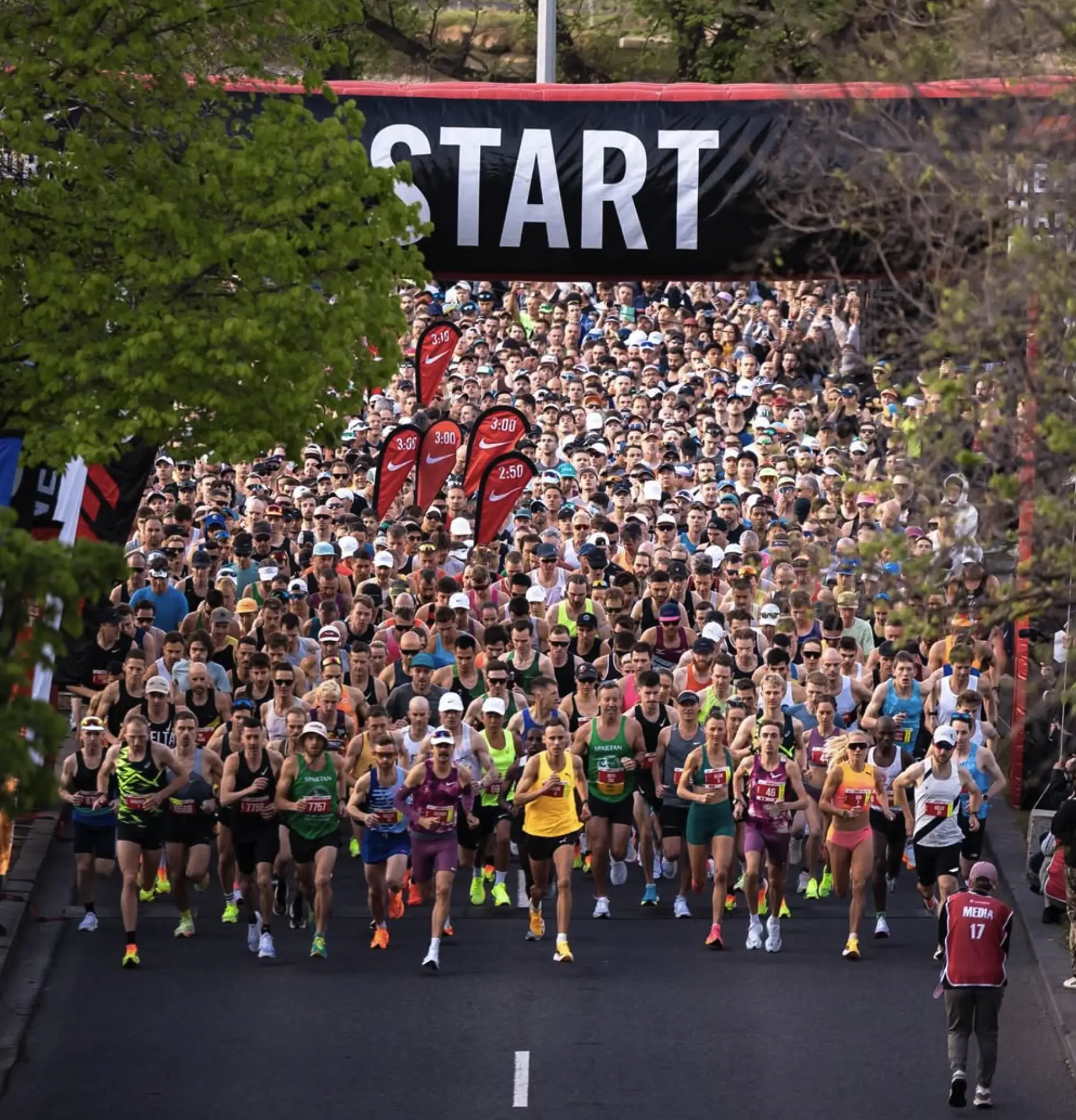
Visit during Dog Lover’s Day, Halloween at Great Ocean Road, or the Surf Coast Trail Marathon for extra community spirit.
A Personal Yarn From The Sand
A few years ago, I was guiding a Great Ocean Road group, and I watched a nervous German traveller catch her first wave here. She’d wiped out a dozen times, board flying everywhere, but the moment she stood up — just for two seconds — she screamed with pure joy. Everyone on the beach clapped. That’s Torquay in a nutshell: friendly, forgiving and full of moments that stick with you longer than a sunburn.