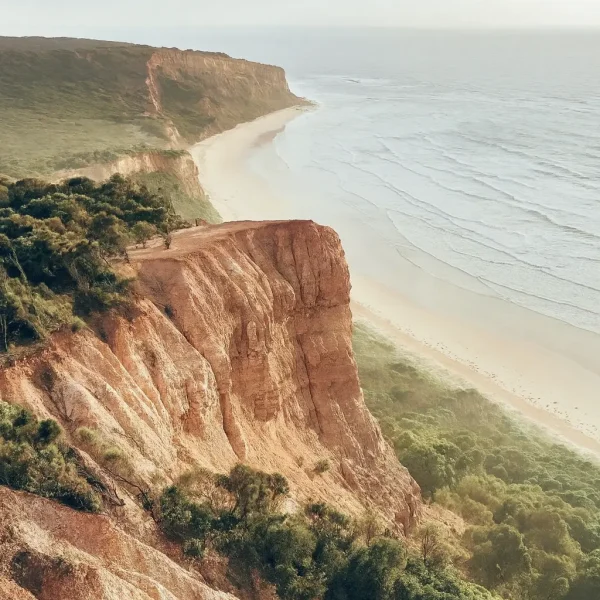
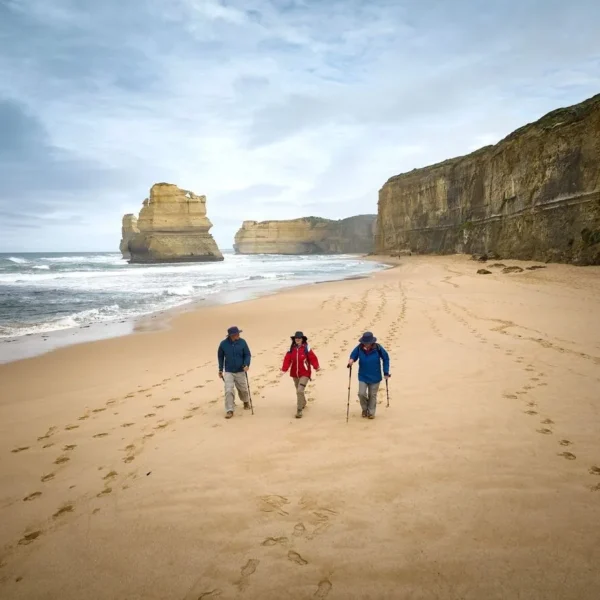
Some towns are all noise and neon, but Aireys Inlet hums in a softer key. It’s where the Great Ocean Road finally lets you catch your breath — the kind of place you pull over “just for a look” and end up staying for a week. I’ve lost count of the times I’ve pulled into town with Great Ocean Road Tours Australia, and every time I’m reminded how this corner of the Surf Coast still holds its own kind of wild calm. The lighthouse stands tall, the air smells like salt and eucalypt, and the local bakery never seems to run out of sausage rolls. This isn’t just a pit stop on the road between Torquay and Lorne — it’s a microcosm of everything that makes the coast what it is: unpretentious, windswept and full of locals who’ll give you directions and tell you where the best surf’s breaking.
Table of Contents
History — Rooted In Sea And Story
Before the surfboards, cafés and Airbnb listings, Aireys Inlet was a meeting place for the Wadawurrung People, who lived in rhythm with Painkalac Creek and the surrounding bush. The area’s name comes from John Moore Cole Airey, an early settler and magistrate in the 1840s who gave the hamlet its modern identity. Over time, the timber cutters and fishermen were replaced by artists, teachers and families escaping the city grind. The Great Ocean Road, hand-carved by returned servicemen after World War I, opened this coastal inlet to the rest of Victoria. Each curve of that road tells a story — and none more so than the views above Eagle Rock, where the Split Point Lighthouse still keeps watch. Local lore remembers the hermit William Buckley, who once wandered this coastline long before settlement, living among First Nations people and learning the rhythms of Country. The spirit of self-reliance he embodied still echoes in the town’s easygoing character.
A Snapshot Of This Coastal Haven
Category
Details
State
Victoria, Australia
Region
Surf Coast, Great Ocean Road
Population
Approx. 800 permanent residents (2024 census estimate)
Distance from Melbourne
120 km (around 1 hour 45 mins drive)
Traditional Owners
Wadawurrung People
Postcode
3231
Average Summer Temp
25°C (but the sea breeze keeps it honest)
Main Attractions
Split Point Lighthouse, Eagle Rock, Painkalac Creek, Fairhaven Beach
Best Visiting Months
November – April (warm, calm, dry conditions)
A Local’s Take On Life By The Sea
The magic of Aireys Inlet is in its pace. It’s a town that still pauses for a chat, where surfboards outnumber sedans, and the main street feels like it’s barely aged since the 80s.
Aireys is about 120km south-west of Melbourne, so it’s an easy two-hour drive for weekenders. But unlike its flashier neighbours, it hasn’t sold its soul to tourism. You’ll find a single general store, a few beachy cafes, and that unmistakable Surf Coast hum — a rhythm of tides, gulls, and relaxed locals
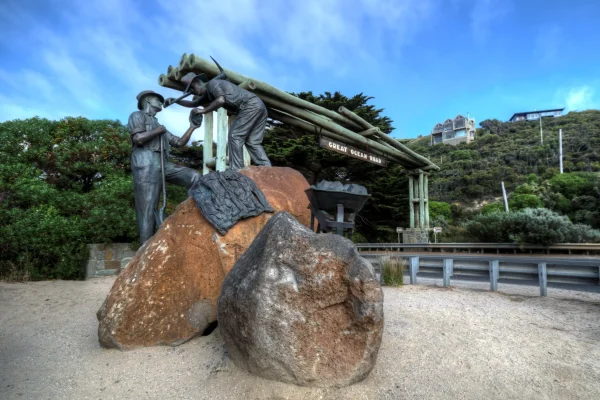
If you’re driving from Torquay, you’ll hit Memorial Arch first — the symbolic gateway to the Great Ocean Road — before rolling into Aireys. It’s the kind of place where you unpack your gear and stay a few days longer than planned.
Fun In The Sun
Aireys Inlet is built for easy outdoor living — nothing fancy, just sun, sand and saltwater. Whether you’re towing the kids, a surfboard or a thermos, there’s no shortage of things to do once the sun’s out.
Fairhaven Beach: Long, open and patrolled in summer — one of the safest spots along this stretch of the Great Ocean Road.
Painkalac Creek: Perfect for stand-up paddleboarding or kayaking. The estuary often opens and closes with the tides and changes shape with the seasons.
Aireys Inlet Skate Park: A small but well-built concrete park that’s a hit with local kids and travellers alike.
Picnic Point: Great for barbies, shaded tables and a swim that’s usually calmer than the surf beach.
Local tip: The UV down here means business. Even on cloudy days, slap on sunscreen, wear a hat and keep an eye on your water intake. There’s nothing heroic about heatstroke.
Trails And Lookouts
The walking here is spectacular — think Victoria Walks meets sea spray. Each path has its own rhythm — from cliff top winds to the hush of the inland tea-tree scrub.
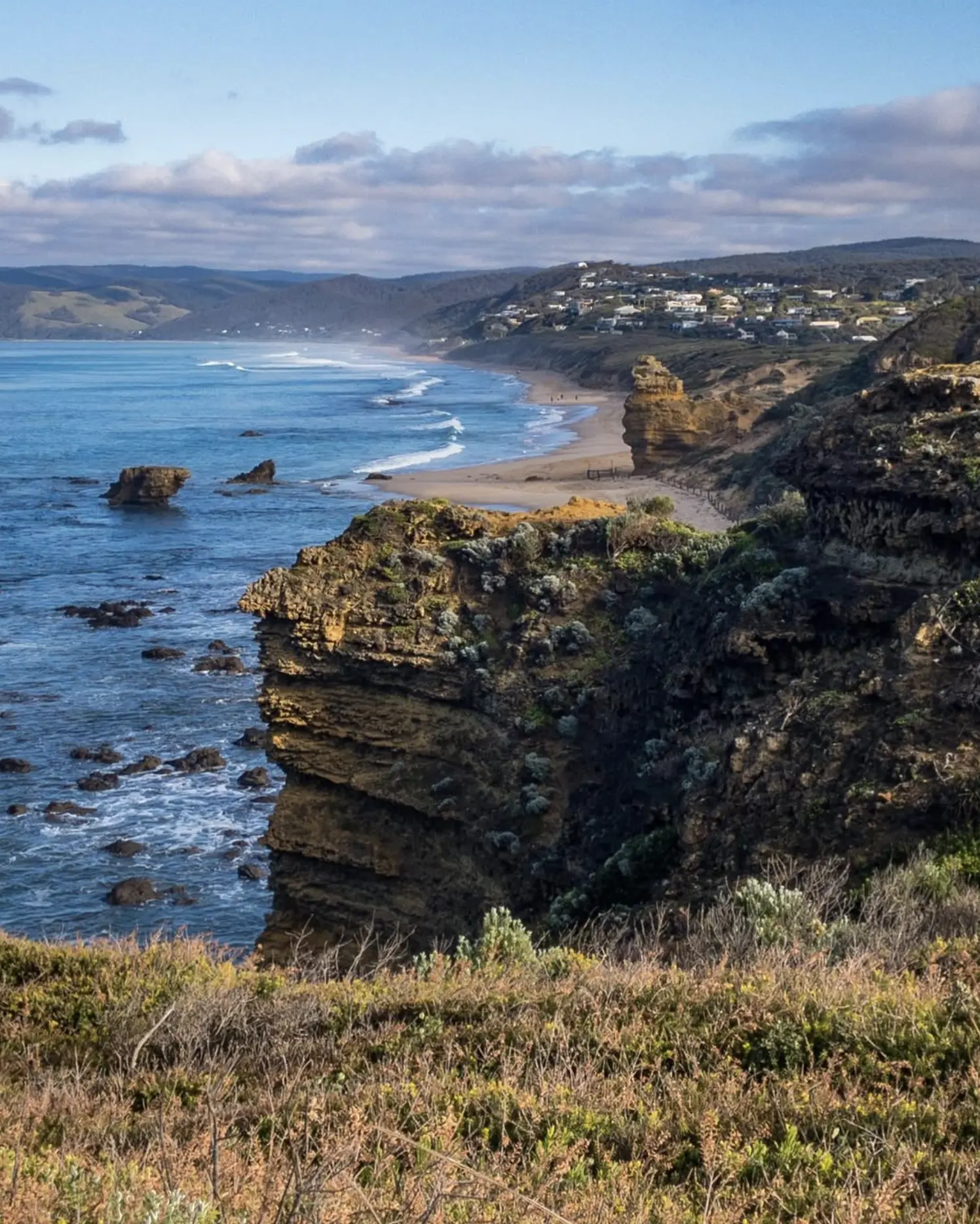
Split Point Lighthouse To Sunnymead Beach Walk: Short walk with stunning views over Eagle Rock Marine Sanctuary. The cliffs are crumbling limestone, so stay behind the rails and enjoy the sea pounding Table Rock below.
Lighthouse Precinct Walk: Heritage loop of coastal lookouts and lighthouse history. You’ll pass interpretive signs about shipwrecks and the filming of Round the Twist — the ’90s TV series that made the Split Point Lighthouse famous for an entire generation.
Surf Coast Walk (Aireys To Fairhaven Section): Part of the 44km trail from Torquay to Fairhaven, this section shows off coastal landscapes where dunes meet scrub and sea eagles fly overhead.
Keep an ear out for the Rufous Bristlebird, one of the region’s rarest birds, and the shy Swamp Antechinus scurrying through the undergrowth.
Checklist before you hit the track:
Good walking shoes (no thongs, mate)
Hat and water
Phone camera — every turn is a postcard
Bin bag for your rubbish (locals are serious about leaving no trace)
Lighthouses — The Coast’s Quiet Sentinel
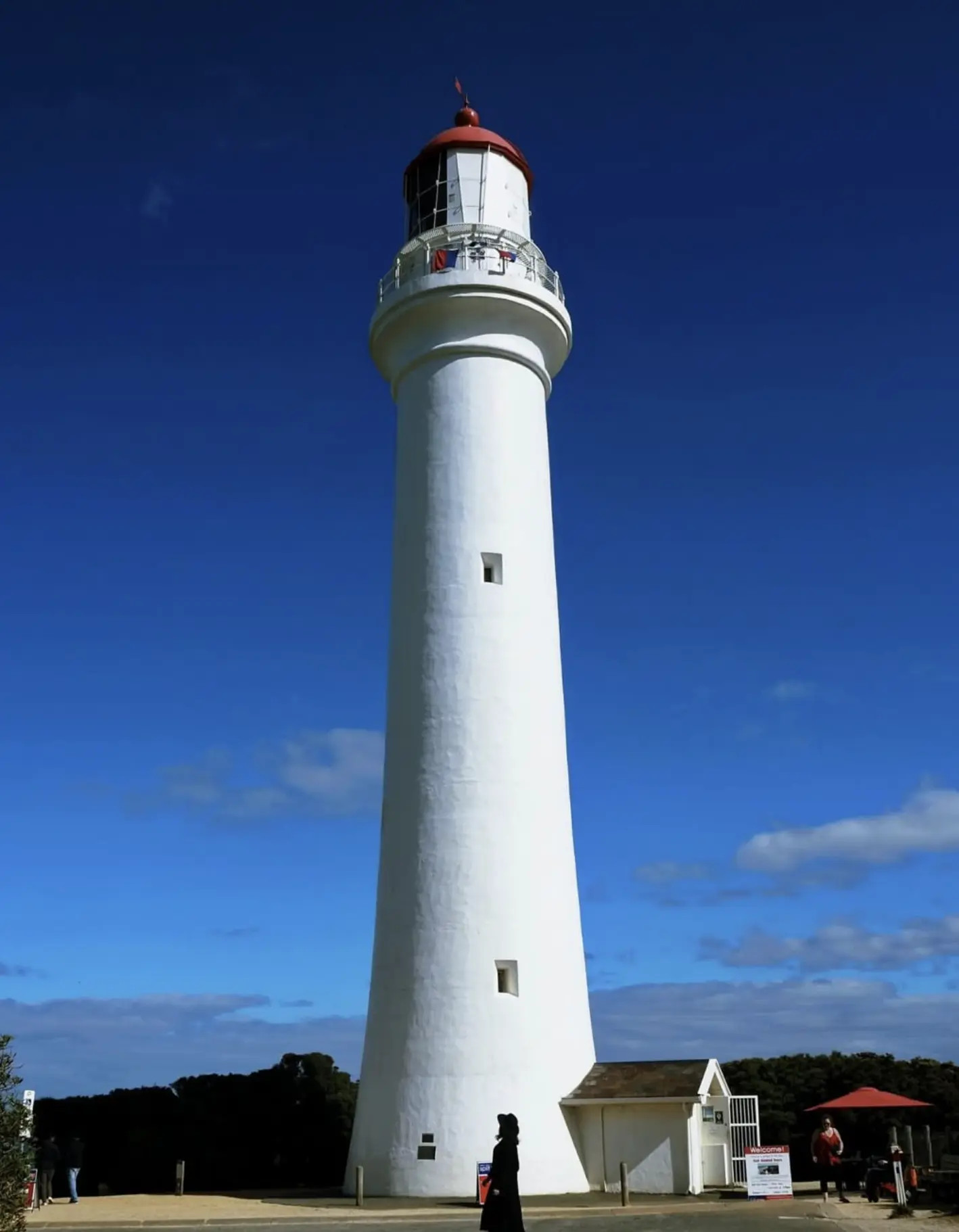
The Split Point Lighthouse is the heart of Aireys Inlet. Built in 1891, it stands 34 metres high on a limestone bluff overlooking the Great Ocean Road. From its balcony, you can see from Point Lonsdale to Cape Otway and beyond. Guided tours daily, stories of shipwrecks, the Eagle Rock Marine Sanctuary, and lighthouse keepers who weathered storms before GPS and radar. The white tower may be the town’s most photographed sight, but it’s still very much a working beacon — flashing every 12 seconds to keep sailors safe. And yes, Round the Twist does pop into your head as you climb the spiral stairs.
Outdoor And Adventure
Surfing: Fairhaven’s long right-handers are a favourite for weekend warriors. Lessons are available nearby, and locals will give you the lowdown on local breaks.
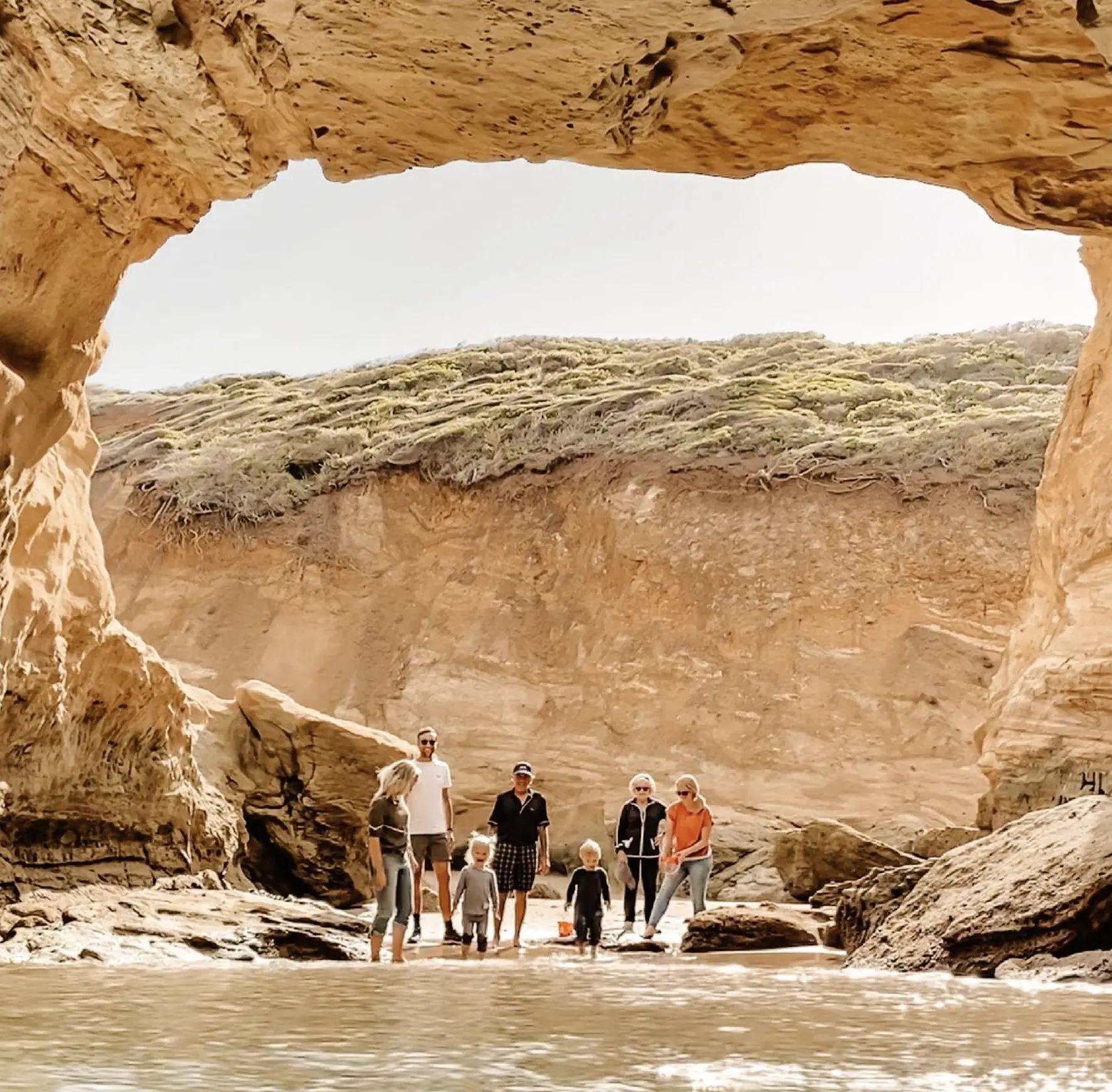
RockPoolsAtSunnymead: During low tide, kids can find starfish, seaweed and crabs among the rocks — the simplest form of marine biology on the coast.
HorseRiding: Just inland, trail rides through the Great Otway National Park show off mountain ash forests and tree ferns.
TennisAndFooty: Hit a few balls at the Aireys Inlet and District Tennis Club, or catch a local Australian football game on a Saturday arvo.
Forsomethingmorerelaxed, head to the Great Ocean Road Gin Tasting Room for a post-adventure reward — or sample a pint at Salt Brewing Company, the home of coastal craft beer.
Beaches And Coastlines
The coast here has two faces — calm estuaries on one side, crashing surf on the other. Both are beautiful, both deserve respect.
Fairhaven Beach: Victoria’s longest beach — 6km long and merges with Aireys. Great for surfing and walking, but swimmers stick between the flags.
Sandy Gully Beach: A quieter spot near the lighthouse, perfect for snorkelling on calm days. The rock shelves here hide marine life and coral fans.
Moggs Creek Beach: Between Aireys and Eastern View. High dunes and big waves. Bring a picnic, not your head.
Campfires to Coastal Cottages
Aireys Inlet Holiday Park: Family-friendly, dog-friendly and right by Painkalac Creek.
Lightkeepers Inn Motel: Cosy, clean and walking distance to the beach.
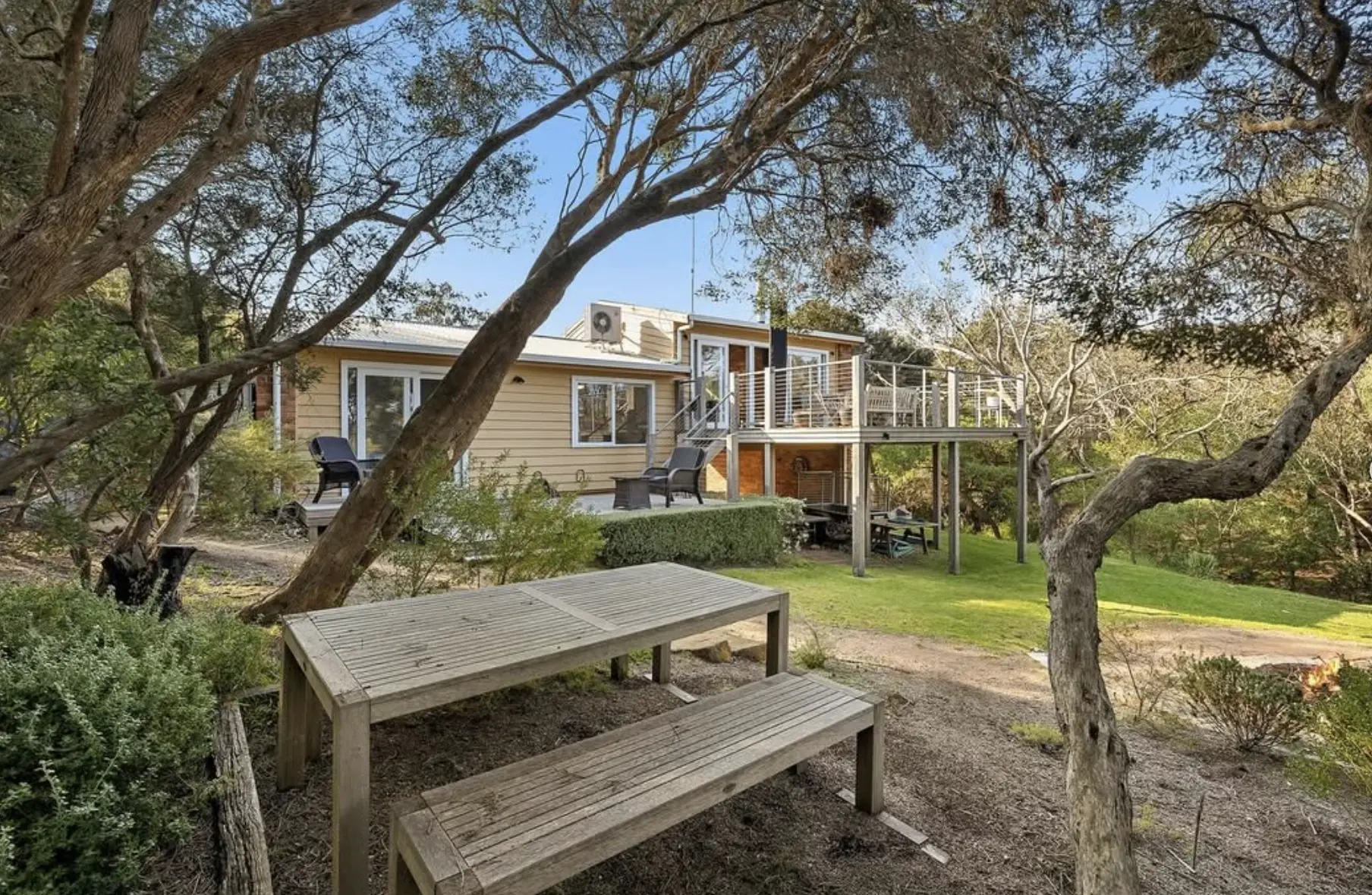
Eagle Rock Cottages: Perfect for couples — self-contained with ocean views.
Fairhaven Campground (Great Otway National Park): Unpowered sites, basic amenities and kangaroos at dusk.
Campfire etiquette: Always check fire restrictions (especially over summer) — the Surf Coast Shire updates restrictions daily. Nothing ruins a trip faster than a visit from the CFA.
Seasonal Tips And Weather Wisdom
Season
Conditions & Tips
Summer (Dec–Feb)
Warm, dry, often busy. Book accommodation early and carry water. Bushfire risk is real.
Autumn (Mar–May)
Crisp mornings, mellow seas, fewer crowds. Great for hiking and cycling.
Winter (Jun–Aug)
Windy and wild. Lighthouse views are spectacular, but pack a raincoat.
Spring (Sep–Nov)
Wildflowers and whale sightings. Water is still cool but swimmable by late spring.
Local wisdom: never underestimate the Southerly Buster. It can turn a picnic into a survival exercise within minutes. Keep an eye on the Bureau of Meteorology radar — it’s a lifesaver.
A Tale Worth Sharing
A few years back, I rolled into Aireys Inlet with a busted tyre, two hours behind schedule and a minibus full of tired travellers. I figured it’d be a long afternoon. Instead, it turned into one of those trips that remind you why you do this job. A couple of locals helped patch the tyre at the servo, the group wandered down to Fairhaven, and by the time I got back, they were sitting under the gums eating fish and chips, watching pelicans on Painkalac Creek. That’s Aireys in a nutshell — it never goes to plan, but it always goes right. It’s these kinds of unexpected moments that make the 1 day Great Ocean Road tour so memorable.
Walk the Surf Coast Walk, visit Painkalac Creek, stop at the Great Ocean Road Gin Tasting Room, catch live music at Salt Brewing Company, and watch the sunset at Split Point Lighthouse.