
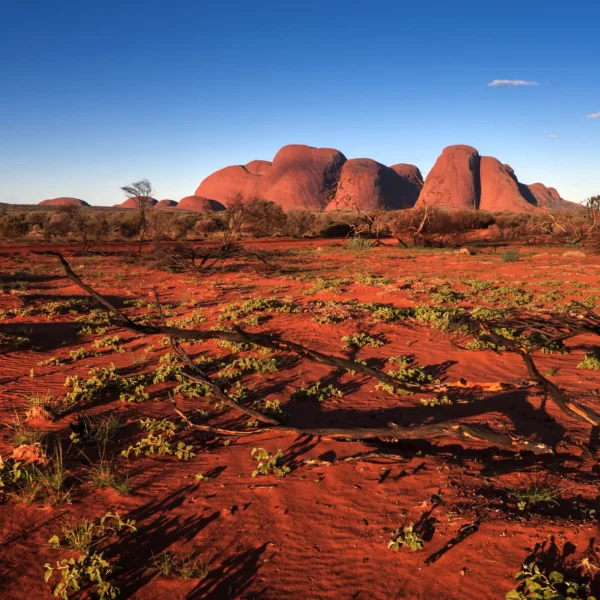
Uluru 2026 Budget Guide: How To Save 40% By Visiting In The “Shoulder Season”
Uluru 2026 budget guide – save 40% by visiting in the shoulder season – no joke.
The lowdown is simple: visit when the crowds aren’t around, book your flights well in advance and sidestep the price hikes that the Red Centre skyrockets with whenever the peak seasons kick in.
After years of working out in the outback, I’ve seen this countless times – it’s not the cost of getting to Uluru that blows the budget, it’s that people end up splashing out because they’re travelling at the wrong time, getting in a last-minute rush with bookings and underestimating just how isolated this place can get. And guess what, shoulder season sorts all that out with one simple move.
Table of Contents
Shoulder Season Beats Peak — Why It Works
Most people assume the driest months in winter are the only safe bet for visiting, but that’s exactly why prices soar. Shoulder season – roughly March to May and September to early November – is the sweet spot where demand drops off a bit, but you still get all the access and conditions you need.
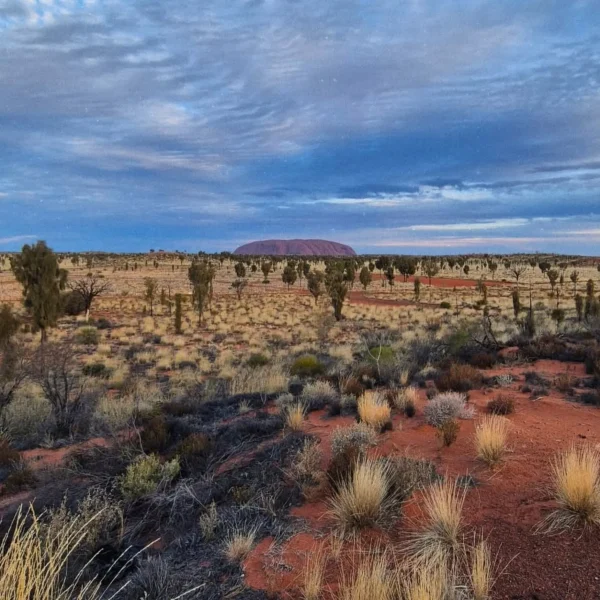
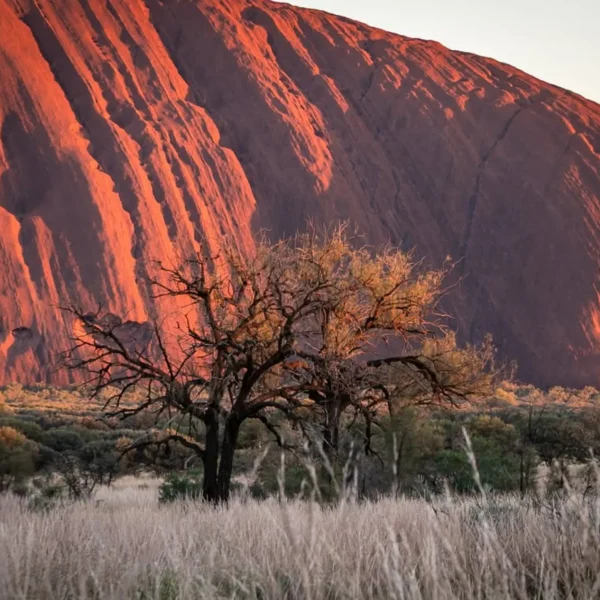
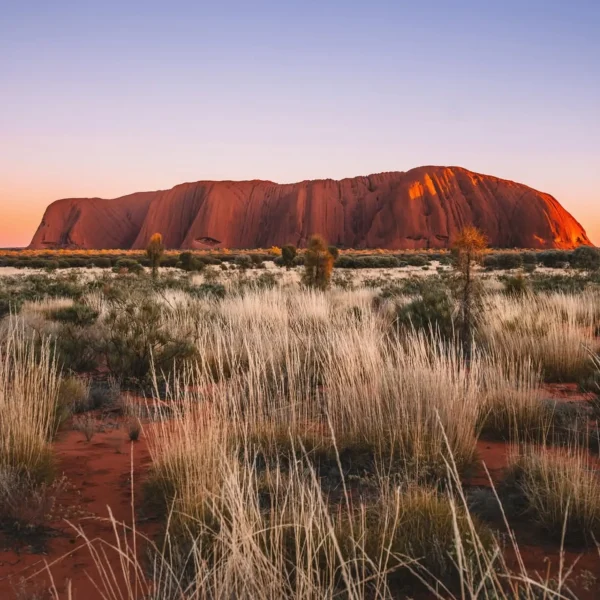
On the ground, that means fewer tourists traipsing about Uluru-Kata Tjuta National Park, easier booking of tours and accommodation, and, most importantly, a whole lot cheaper. I’ve rocked up to Uluru at sunset in late September and still had loads of space to breathe – try that in July and you’ll be wading through a sea of tripods.
The one thing people need to watch out for, though, is the heat – not the access. Take October, for example, it’s warm but manageable if you plan ahead. But if you just rock up and want a sunset walk, you’ll feel the heat coming at you.
Where The 40% Savings Come From
The savings here aren’t from cutting back on activities; they come from sidestepping the peak prices that hit when demand is highest for flights, tours and accommodation.
Typical Shoulder Season Cost Differences
| Expense Category | Peak Season (Jun–Aug) | Shoulder Season | Realistic Saving |
|---|---|---|---|
| Accommodation | $350–$600 AUD/night | $180–$320 AUD | 30–45% |
| Domestic Flight | $700–$1200 AUD | $400–$750 AUD | 25–40% |
| Guided Tour | $200–$350 AUD | $130–$250 AUD | 20–35% |
| Daily Spend (Food + Transport) | $150–$250 AUD | $120–$200 AUD | 15–25% |
Based on NT’s tourism pricing trends and on the ground with a bunch of operators like Wayoutback Tours, we can see that booking in these windows – the 2025-2026 season – is going to save you some cash and make getting the time you want a whole lot easier. All the same product, same great experience – but without the pressure of everyone else wanting it at the same time.
Getting There Without Blowing Budget Or Time
Getting to Uluru is pretty straightforward, but the nitty-gritty details matter a lot more than most people think they will.
Flying into Ayers Rock Airport is the fastest way to get there, but it’s also where airfare costs tend to come down a bit when you book in the shoulder season. So the booking sweet spot is about 6-10 weeks before you want to go. Wait any longer, and prices shoot up – even in off-peak months.
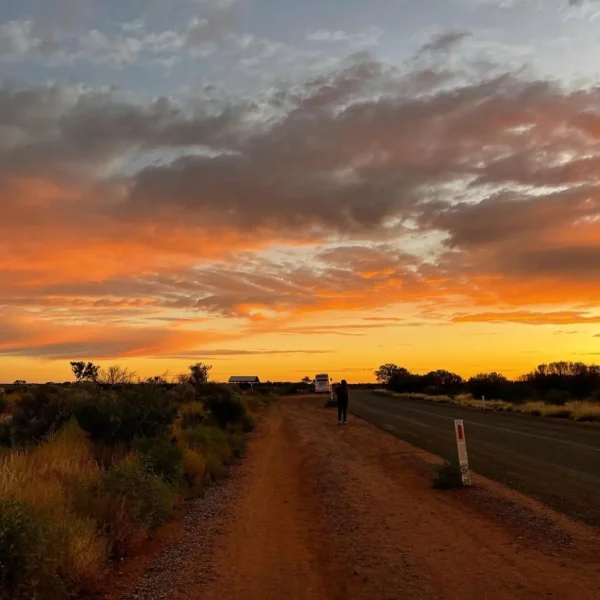
Driving from Alice Springs down the Stuart Highway is another perfectly fine option, but don’t just blindly trust Google Maps – that 450-kilometre trip takes a good 5 to 6 hours with all the stops you need to make along the way. That’s fuel stops, a few snaps for the camera, and the odd road train slowing things right down. And then there are fuel costs, which can run you between $120 and $180 AUD one way, depending on your vehicle.
What most people get wrong is the timing – they think they can just get to Uluru before sunset and breeze through it – but they underestimate just how long everything is going to take. Get it wrong, and you’ll miss the whole experience.
Uluru Base Walk: What It’s Really Like
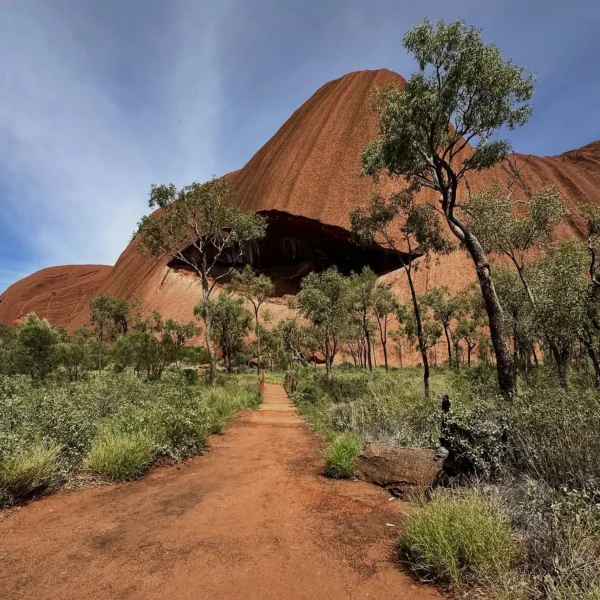
The Uluru Base Walk is one of those experiences everyone goes on and on about – and it’s probably one of the most underestimated experiences as well.
Uluru Base Walk Overview
| Section | Distance | Difficulty | Key Notes |
|---|---|---|---|
| Mala to Kantju Gorge | ~2 km | Easy | Cultural sites, shaded areas |
| Northern Stretch | ~5 km | Moderate | Exposed, long and steady |
| Kuniya Section | ~1 km | Easy | Waterhole and rock features |
| Full Loop | 10.6 km | Moderate | Complete circuit |
Starting early is a must. If you get out & about in shoulder season between 6:00 & 7:00 am, you’ll be done before the heat really starts to build. Leave it till 9:00 am; by the halfway point, you’ll be feeling the effects of the heat. I’ve lost count of how many people have given up their hike simply because they didn’t take timing into account.
Physically it’s not exactly a technical hike, but you still do need to have some basic level of cardiovascular fitness. Long stretches of flat terrain with no shade are a much tougher ask than most people expect.
Parking, Access & Beating Crowds
Getting there early or at least knowing where to go – and when – really does make a difference.
The Mala carpark is your main access point to the Uluru base walk, and it’s usually the busiest carpark of the bunch. The Kuniya carpark, on the other hand, offers access to shorter cultural walks and is generally a bit quieter. The designated sunset viewing spots are all well set up, but if you turn up late, you can bet they’ll be chock-a-block.
In shoulder season, getting there 45-60 minutes before the sun goes down is usually enough, but in peak months, you’ll need to double that. I’ve seen people doing laps of the car park getting frustrated in July, while in May, you can potter on in and pick out a spot.
Tours Vs DIY: Where To Spend Or Save
It’s all about finding the right balance here. Not everything needs a guided tour, but some experiences genuinely get a lot more out of having one.
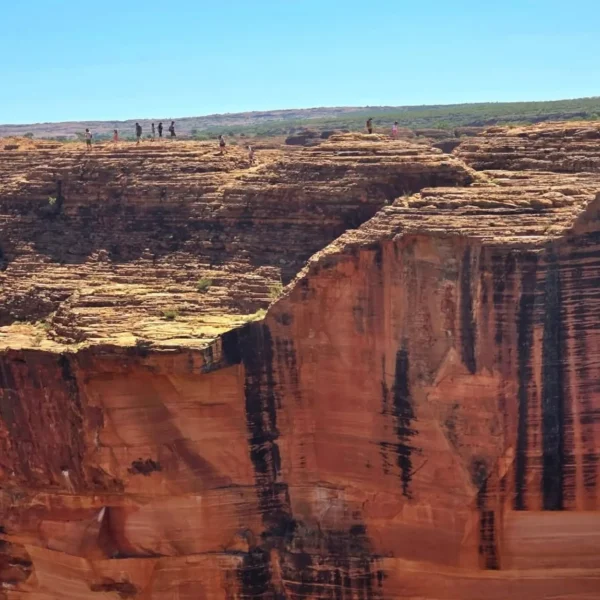
For example, getting a cultural tour led by the local owner adds depth & context you just won’t get from reading a sign. Multi-day itineraries like a 3 day Uluru tour from Ayers Rock make sense if you’re short of time or you just want to cram in as much as you can – especially when trying to fit in Kata Tjuta and Kings Canyon.
But on the other hand, you don’t need to hire a guide for everything. The base walk, the cultural centre, and watching the sunrise or sunset are all pretty straightforward to do on your own. I’ve seen people waste heaps of money on tours they didn’t need, purely because booking a tour seemed easier.
Seasonality - The Experience Goes Beyond Weather
Shoulder season brings more than just a change in temperature – it brings a whole new vibe.
Fewer tourists mean you can take in those must-see sites a whole lot more quietly, with the freedom to set your own agenda without the pressure of racing from one place to the next to avoid huge crowds. You’ll end up spending a lot less time wasted waiting or getting stuck in the throngs, and a whole lot more time absorbing the whole atmosphere.
It’s the old expectation-vs-reality trap that catches a lot of travellers out. They think shoulder season is all about compromise – but nine times out of ten it’s the better option – especially if you’re the sort who values having some space and flexibility in your holiday over having perfect weather.
Quick Day Trip Scenario
If you only have a day to spare, don’t even think about trying to cram everything in. That’s the fastest way to put on a bit of a miserable experience for yourself.
Start with the sunrise, then do a section of the base walk from Mala, hit the Cultural Centre mid-morning, take a break while it’s hot, then head back out for sunset. That’s the way to do it because you’re respecting both the local conditions and your own energy levels.
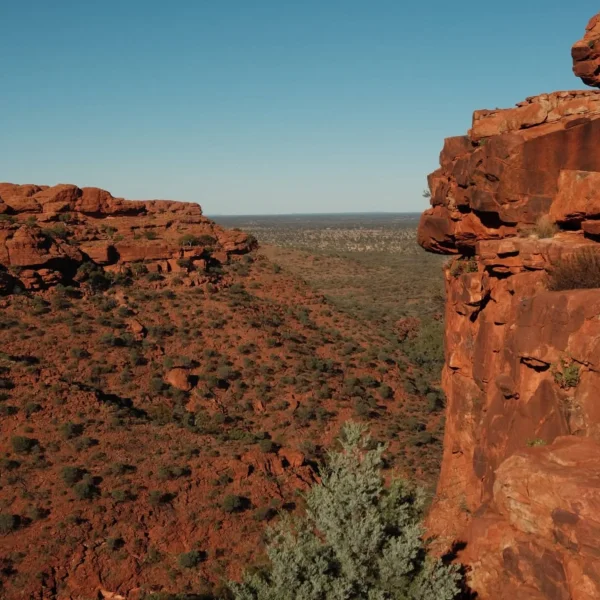
Don’t even think about trying to chuck in Kata Tjuta or Kings Canyon in a single day from Uluru – it’s just not doable. The distances aren’t as small as they look on a map, and rushing around just turns the whole trip into a long drive with a few half-hearted stops along the way.
Risks & Safety: What People Miss
Uluru’s not a particularly dangerous place if you show it some respect, but it’s not forgiving either.
The heat’s the biggest risk. Even in shoulder season, dehydration starts to creep in fast – so make sure to carry at least three litres of water per person for any longer walks, protect yourself from the sun and don’t rely on shade that just isn’t there.
Fatigue’s the other risk. The landscape looks pretty flat – but it’s amazing how quickly those distances can add up. I’ve seen people underestimate the base walk and end up pushing too hard, only to cut their day short.
And then there’s the cultural side of things. There are certain restricted areas because they’re sacred sites, and you need to respect that. Ignoring the signs is not just being rude – it can also get you a hefty fine.
The Real Cost of a Day at Uluru (No Sugarcoating)
Here’s what you’re really looking at each day in shoulder season:
- Accommodation – $200 – $300 a night
- Food – $60 – $100 a day
- Transport – $80 – $150 a day
- Activities – $0 – $200 a day
That puts most travellers in the $340 – $750 a day range, which isn’t cheap, but is a heck of a lot better than peak season, where those costs just keep on going up and up.
Timing Beats Discounts Any Day
If you’re trying to save money at Uluru, don’t bother trying to find the deals – just adjust your timing. Shoulder season consistently comes out on top for lower prices, better availability and a whole lot more relaxed overall.
Whether you’re travelling solo or joining up with a group, the same rule applies – avoid the rush, get your logistics sorted, and you’ll get so much more value without missing out on anything.
FAQ
Is Shoulder Season Too Hot For Exploring?
It can be warm, but manageable. Start early, carry enough water, and avoid walking during peak afternoon heat.
How Far In Advance Should I Book Flights?
Around 6–10 weeks ahead is ideal for the shoulder season. Prices rise quickly closer to departure.
Do I Need A Guided Tour?
Not for everything. Many key experiences can be done independently, though cultural tours offer deeper insight.
Is The Uluru Base Walk Suitable For Beginners?
It’s manageable but requires basic fitness. The length and exposure can catch people off guard.
Can I Visit Multiple Sites In One Day?
You can, but it’s not recommended. Distances are long, and rushing significantly diminishes the experience.
Related Tours
- Departs / Arrives
- 7:35-20:30
- Starts / Finishes
- Melbourne
- Duration
- 1 day
- Style
- Original
- 135 AUD
- 95 AUD

- Departs / Arrives
- 08:20-20:30
- Starts / Finishes
- Melbourne
- Duration
- 1 day
- Style
- Comfort
- 160 AUD
- Departs / Arrives
- 11:30-00:00
- Starts / Finishes
- Melbourne
- Duration
- 1 day
- Style
- Original
- 115-135 AUD
Related Articles