Do Great Barrier Reef Tours Include Snorkel Gear, Wetsuits, And Food? A Straight Answer From The Water
Great Barrier Reef tours come with snorkel gear, wetsuits, and food? Yes – most full-day trips throw in the lot as standard. But what you won’t see in the brochures is the quality of what they include and the extras they sneak in, which can really make your day.
I’ve been doing these Great Barrier Reef trips for years – running around, jumping on and off boats, and I’ll be honest with you – the basics are covered, but the quality of the experience varies wildly. Some boats are slick and well-organised, while others feel like a floating queue where you have to pay out for anything that actually works properly. So if you’re booking a Great Barrier Reef Tour, you want to know what you’re getting before you even leave the harbour.
What’s Actually Included On Most Reef Tours
Table of Contents
What's Actually Included On Most Reef Tours
Almost all operators work off the same playbook – they have to, considering they are heading out to sea and space is tight. But “included” doesn’t automatically mean “good” or “easy” – it’s a bit of a trap.
Snorkel Gear: It’s Included, But a Good Fit Is What Makes It Work
You’ll get handed a mask, snorkel and fins – standard on every Great Barrier Reef tour going.
The trouble is, people assume the gear will just work perfectly, but more often than not, it doesn’t. I’ve watched people toss half their reef time fiddling around with a leaky mask because they didn’t want to ask for a replacement – it’s a real waste of time.
So here’s some real-world advice: get your gear sorted out properly before you hit the water. If it leaks or fogs up badly, swap it for a new set and don’t mess around. Good operators will help you sort it out – and the best ones will even proactively check that everything is working correctly. That small detail can make all the difference between a frustrating swim and one where you’re actually spotting coral and fish.
Wetsuits & Stinger Suits: Where People Often Get It Wrong
This is a real surprise for a lot of people.
In the warmer months, you’ll usually get a stinger suit thrown in – it’s not for warmth, it’s to protect you from jellyfish. In the cooler months, wetsuits are essential, but they’re not always included in the base price.
Expectation vs reality is a big one here:
You expect the water to be warm all year round
But reality hits when you hit a cold patch, and it feels like the temperature has dropped 10 degrees
I remember a July day where a group skipped wetsuits, and within 20 minutes, they were shivering and calling it quits – not because the reef wasn’t good, but because they hadn’t reckoned on just how cold they would get.
If you feel the cold the slightest bit, then get a suit – it makes a huge difference to how long you can stay in the water.
Food And Drinks: You'll Be Fed, But Not Always Well Fed
Most full-day Great Barrier Reef trips will throw in lunch – that bit is generally reliable. But the quality? It can range from middling to really quite good.
Here’s how it usually breaks down:
Tour Level
What You’ll Get
What It Feels Like
Budget
Simple buffet or packed lunch
Fills you up, nothing special
Mid-range
Hot and cold options, snacks
Comfortable, decent variety
Premium
Fresh meals, dietary options
Proper meal, part of the experience
Overnight
All meals included
Best food quality overall
Operators end up catering to over 2 million visitors each year, according to the Great Barrier Reef Marine Park Authority, so their food systems are pretty well streamlined and tightly run.
When on a decent boat, you’ll notice that they take food sanitation seriously, have thought through the menu and thrown in some variety – think lighter dishes, maybe a bit of Asian influence, and balanced meals that actually manage to keep your energy up. It’s no fine dining, but it’s a heck of a long way from those soggy sandwiches they used to serve
Where Budgets Sneak Up on You
That’s where your budget quietly starts to get away from you.
Lots of tours keep their base price low, then hit you up for add-ons once you’re on board. The most common ones include introductory scuba dives, having your photos taken, paying for stale drinks, and upgrading to fancy gear like prescription masks.
I’ve seen people book the cheapest option, then hand over another AUD $150 without even batting an eye – and those extras sure add up fast.
When you’re comparing Great Barrier Reef tour options, don’t just look at the ticket price – take a closer look at what’s actually included.
Getting There, Timing, And The Real Day Flow
This is the nitty-gritty most people don’t think too much about – until something goes wrong
Most tours leave from Cairns, Port Douglas, or Airlie Beach. If you’re staying in the heart of Cairns, the marina is just a 5-10 minute drive or about a 15 minute walk. Parking near the terminals can be a real challenge in peak season, so if you’re driving, get there with plenty of time to spare. Aim to arrive at least 45 minutes before check-in – boats don’t hang around, and I’ve seen people miss them by minutes to spare.
The timing might look straightforward on paper, but the conditions can play havoc with how the day feels. Travelling to the reef usually takes about 90 minutes, but if the wind picks up, it can feel like an eternity. When the day is calm, it’s a breeze, but when it gets rough, it can be a wild ride. If you’re prone to seasickness, get your medication before you board – don’t wait until you start to feel it.
A typical day goes from early-morning check-in to late-afternoon return, with a few hours at the reef in the middle, split between snorkelling, eating and resting. It’s not the clock that matters; it’s the rhythm of the day – pace yourself, and you’ll have a much better time.
Conditions, Risks, And Before You Jump In
The reef is incredible, but it’s still open ocean, and there are some realities to face.
Sun exposure is like nothing else – even on cloudy days it can be intense. Dehydration creeps up really fast. Seasickness is pretty common when the wind starts to pick up, and snorkelling is a lot more physically demanding than most people expect.
The crew will give you a briefing – listen to them. They’re the ones who know what they’re doing, and they’ve seen it all.
If you’ve got any underlying health concerns – especially around heart health or stamina – take it easy and check with a doctor before you go. Not because the trip is particularly dangerous, but because overdoing it can quickly ruin your day.
Seasonal Reality: When You Go Changes Everything
The time of year can totally change your experience on the reef – and most travellers don’t even think about it much.
In the wet season, it’s scorching hot, humid as can be, and you never know what’s going to happen next. Stinger suits are a must-have, and the water clarity can be all over the shop depending on what the weather’s been up to.
On the other hand, the dry season is a whole different story. The weather’s more predictable, the water’s a little cooler, but visibility is way better, and the whole experience feels so much smoother. If you’re looking for a safe bet for a great day out, aim for the middle of the year, and you’re likely to hit the jackpot.
Who This Experience Is For
To be honest, reef tours aren’t for everyone – they’re a pretty communal experience.
They’re perfect for first-time snorkellers, families and anyone who wants a guided experience that’s not too technical. But if you’re the type who panics in open water, or you’re one of those people who gets a bad case of sea sickness, or you’re expecting a super quiet, crowd-free experience – forget it. Most day trips are pretty busy.
If You've Only Got 24 Hours: Make It Count
If you’re short on time, there’s no need to over-complicate things. Choose a decent operator, pick a mid-range or premium one, and get to one of the outer reef spots. And for goodness’ sake, opt for a smaller group size.
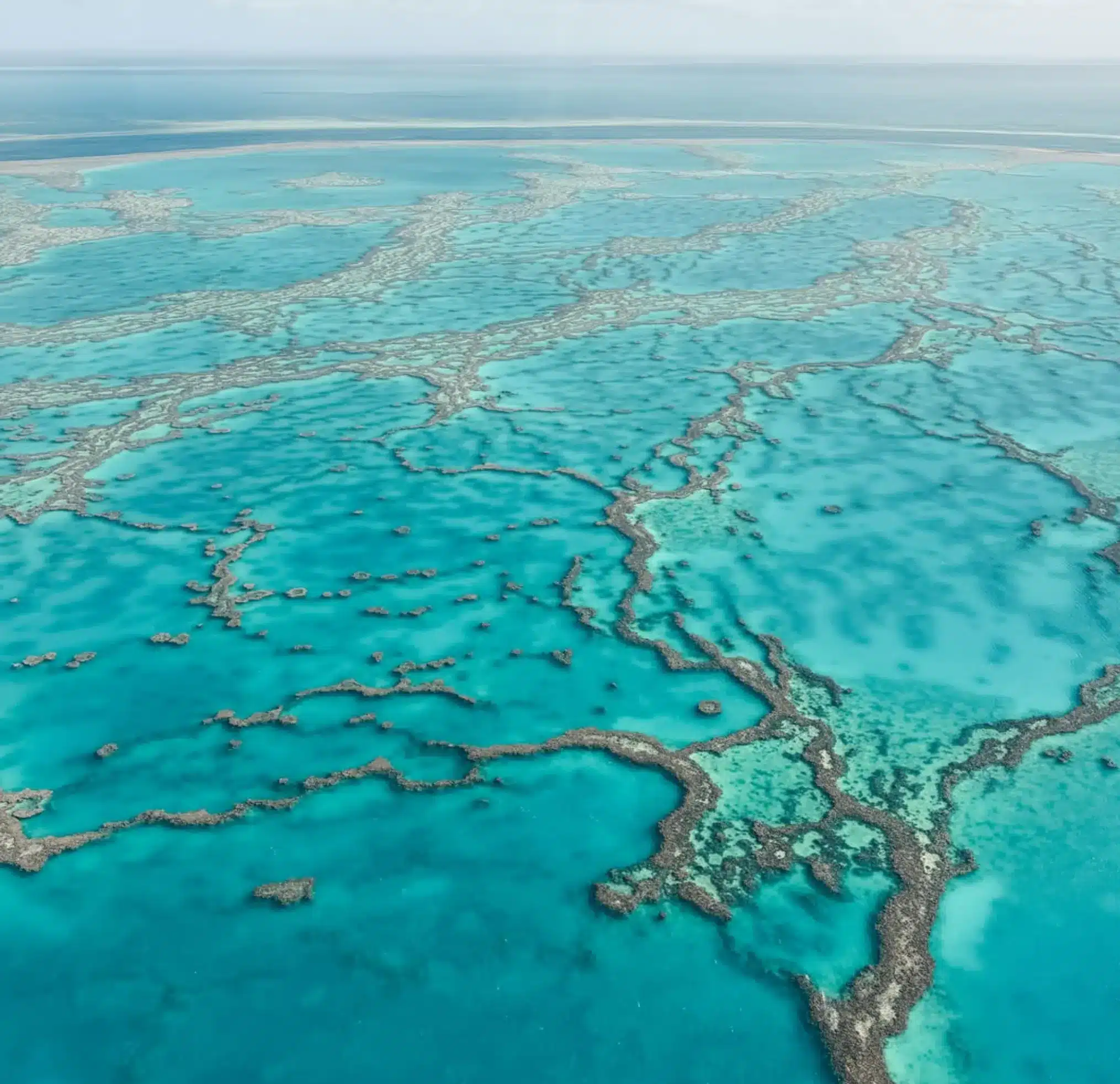
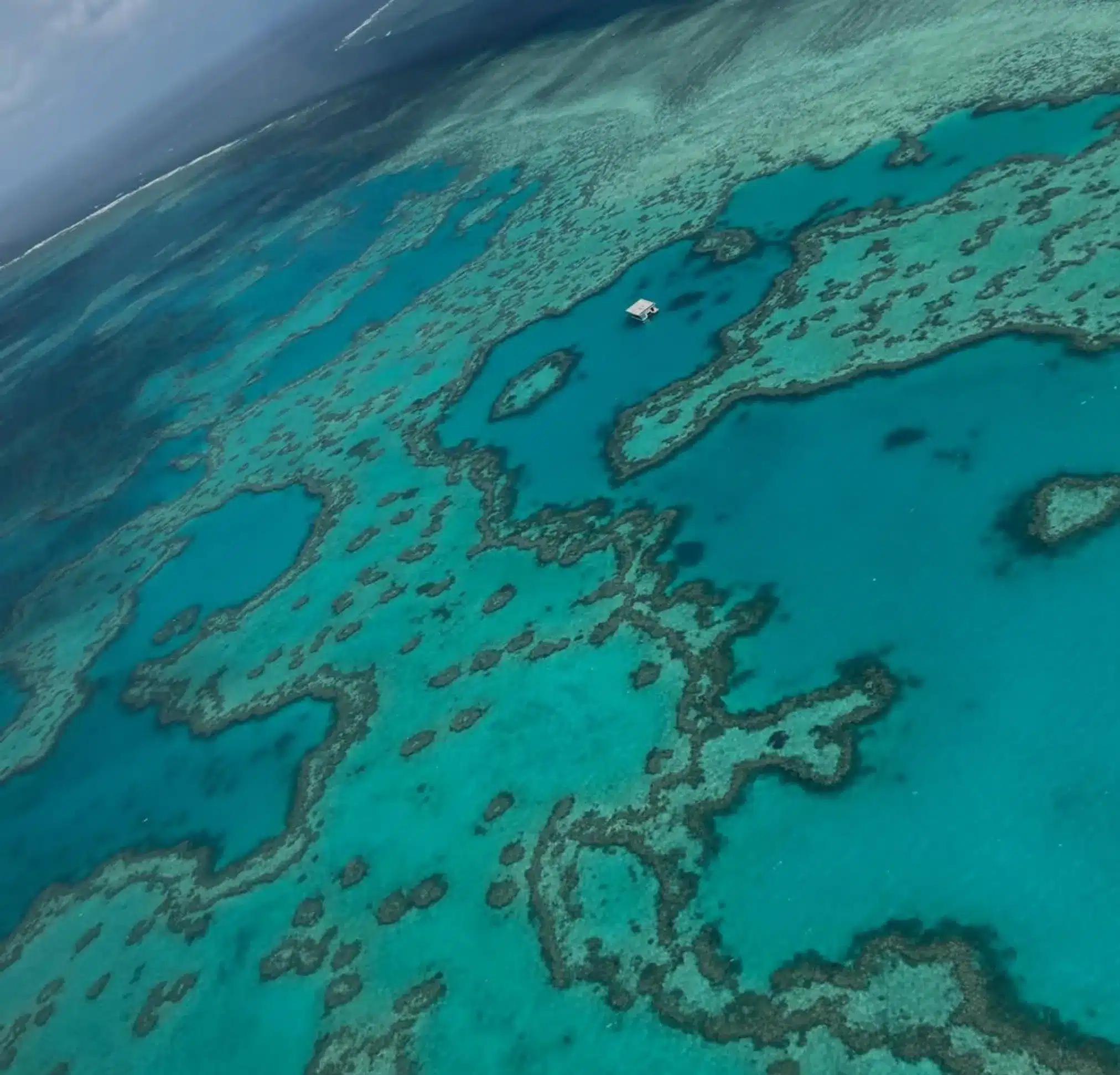
The outer reef is where the water is usually crystal clear, and you can spot heaps of marine life. But if you go to the inner reef, you’re looking at easier access, but probably less to see.
What You Learn After Years of Watching
After years of watching how people approach these trips, you start to notice a pattern.
The people who have the best day are the ones who don’t rush. They take breaks, stay hydrated and actually use the gear properly. They listen to the crew and are smart enough to go with it – they don’t try to fight the conditions.
The ones who struggle too often try to do too much at once – a long first swim, no breaks, skip the wetsuit, ignore the wind – and then they burn out early.
The Final Word
Most Great Barrier Reef tour options come with the basics – snorkel gear, wetsuits or stinger suits and food. That’s your starting point.
It’s everything around those basics – the quality of the gear, the group size, the food – that makes the difference between a great day and a total disaster. And don’t even get me started on how transparent operators are about any extras.
If you’re weighing up the different Great Barrier Reef trip options, don’t just go for the cheapest one. Look for the one that makes your life as easy as possible – that’s where the real value is.
The Bottom Line Before You Board
You don’t have to over-analyse it, but you should be thinking long-term here. When it comes to a Great Barrier Reef Tour, it’s not all about the initial price tag – there’s more to consider.
A top-notch Great Barrier Reef trips should provide you with equipment, keep you safe, and feed you right, without constantly trying to sell you extras. If that’s all sorted, you can focus on the good stuff – getting in the water and taking in the coral, spotting some amazing marine life, and letting the stresses of everyday life melt away for a few hours.
Stinger suits are usually standard in the warmer months. Wetsuits in cooler months, you might get ’em thrown in, or they might be available for a token extra.
It’s all down to the weather, really. When it’s calm, the ride is nice and smooth. But on a windy day, the sea can get pretty choppy and might give you some trouble with the old sea legs.