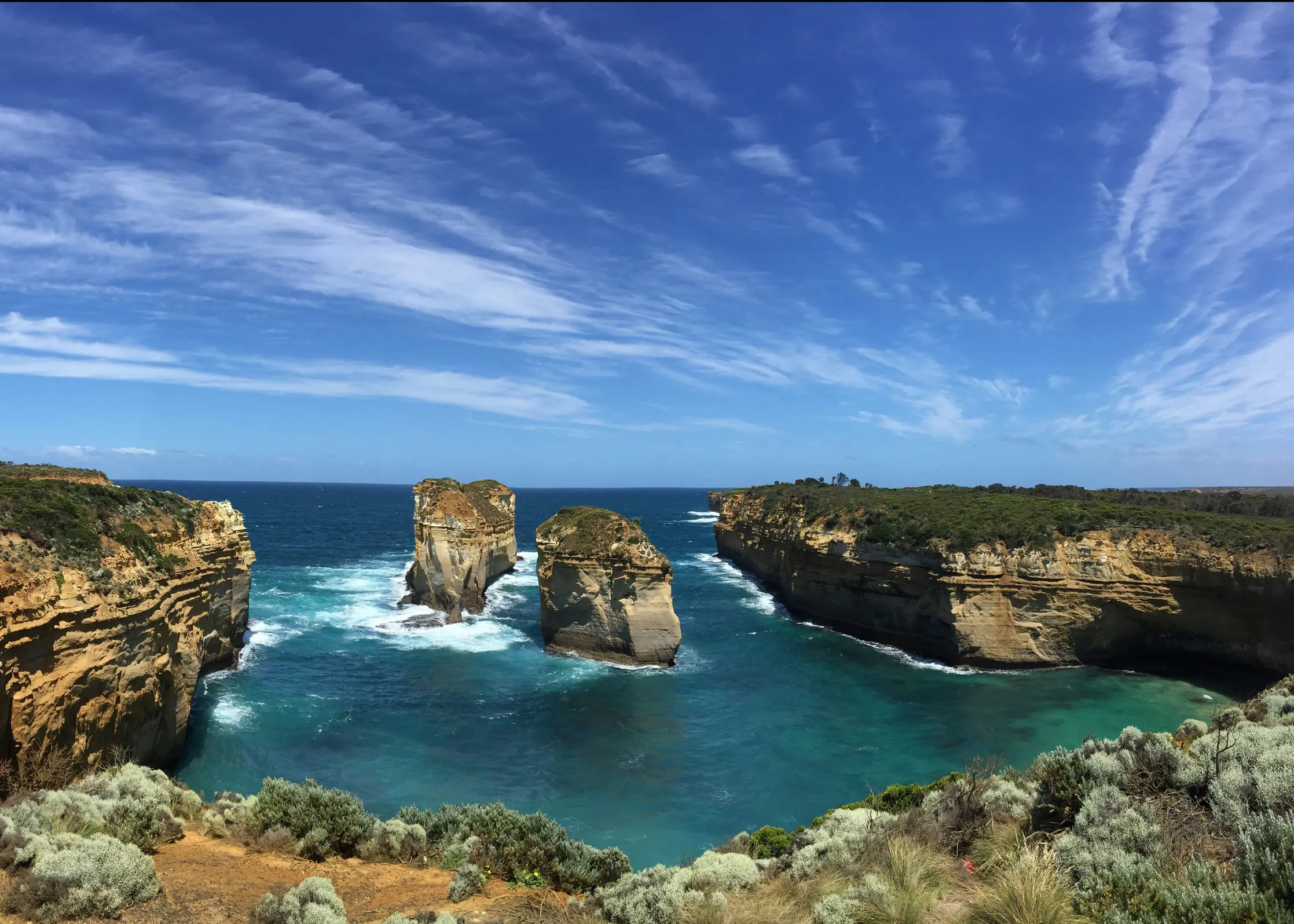
Every surfer knows Bells Beach — even if you’ve never paddled out, you’ve probably seen its big waves on the telly or on a Rip Curl poster in a Torquay café. When I first drove down Bells Beach Road, past the gum trees and the sea spray, I knew why this stretch of coast is the surf capital of Australia.
I’m Paul Beames, and after years of leading groups along the Great Ocean Road, I can tell you — there’s no place that embodies the spirit of surfing like Bells. The cliffs, the sand and the Southern Ocean all tell the same story: this is hallowed ground for surfers and salt lovers.
The waves at Bells aren’t your average beach break — they’re long, clean right-handers that peel perfectly when the Southern Ocean’s in a good mood. On the right swell and wind combo, Bells can deliver rides over 300 metres long, with faces that rise six metres or more.
You’ll hear locals talk about Bowl, Rincon, and Winkipop — three iconic breaks that sit side-by-side, forming a playground (and proving ground) for surfers from across the globe. When it’s on, it’s on. Bells can humble even the best — that’s half the fun.
| Wave Section | Skill Level | Best Conditions | Average Wave Height |
|---|---|---|---|
Rincon | Intermediate | 3–5 ft swell, light offshore wind | 1–2 m |
The Bowl | Advanced | 6–10 ft swell, offshore wind from N–NW | 2–4 m |
Winkipop | Advanced | 4–8 ft swell, low tide | 2–3.5 m |
Even if you’re not surfing, it’s worth watching. Bring a warm jumper and sit on the viewing platform — the spray from those long walls of water drifting up over the Surf Coast cliffs is epic.


At Easter, Bells comes alive. The cliffs are filled with campervans, drones and surf fans from around the world watching the webcam broadcast of the Rip Curl Pro Surfing Competition, part of the World Surf Competitive Tour (formerly ASP World Tour).
This pro surfing competition is the ultimate proving ground. The bell-shaped trophy is more than metal — it’s a piece of surfing history, etched with the names of surfing legends who’ve tackled Bells’ cold, unforgiving walls.
| Decade | Iconic Winners | Milestones |
|---|---|---|
1960s | Glynn Ritchie, Gail Couper | The first Bells Beach Easter Rally |
1970s | Mark Richards, Wayne Lynch | Surfing enters pop culture |
1980s | Simon Anderson, Lynne Boyer | “Thruster” board design debuts |
2000s | Kelly Slater, Stephanie Gilmore | Global media coverage peaks |
2020s | Tyler Wright, Jack Robinson, Luana Silva | Aussie Treble headlines Finals Day |
Finals Day and the crowd goes wild as the waves crash into the rocky reef and the spray mists across the cliffs. The Aussie Sweep moments — when both men’s and women’s titles go to local surfers — bring the whole coast alive.

New to surfing? Don’t stress — you don’t have to drop into The Bowl straight away. Torquay, Jan Juc and Anglesea all have beginner-friendly beaches and plenty of surf schools run by locals who know the swells inside out.
Top surf schools near Bells Beach:
Most schools provide everything you need: a wetsuit, a board and a pep talk before your first paddle-out. Expect to pay around $70–$100 for a 2-hour session, with discounts for groups or multi-day packages.
Torquay’s surf precinct is the heart of the Surf Coast — birthplace of Rip Curl and Quiksilver. Stop in at the Australian National Surfing Museum, just off the Great Ocean Road, to see memorabilia from the 1970 World Surfing Titles, early board designs and wetsuits that helped surfers tame Bells’ icy waters.
Need gear? Here’s where to go:
Pro tip: if you’re heading out between May and September, wear a 4/3 mm wetsuit with booties — the Southern Ocean isn’t known for mercy.

You can visit any time of year, but each season offers something different:
| Season | Surf Conditions | Crowds | Weather Notes |
|---|---|---|---|
Autumn (Mar–May) | Consistent swells, ideal for pros | High (Rip Curl Pro season) | Mild days, cool nights |
Winter (Jun–Aug) | Big swells, cold water | Medium | Bring a thick wetsuit |
Spring (Sep–Nov) | Variable, smaller surf | Low | Great for learners |
Summer (Dec–Feb) | Gentle waves | High (holiday crowds) | Warm air, cooler water |
If you want glassy mornings, go for early autumn. If you don’t mind icy feet and want to be alone, mid-winter delivers wild, empty sessions that’ll put hair on your chest.
No café at Bells — and that’s the point. Bring your own thermos, snacks and rubbish bags.
The car park has:
Nearby eats and stays:
Travel tips:
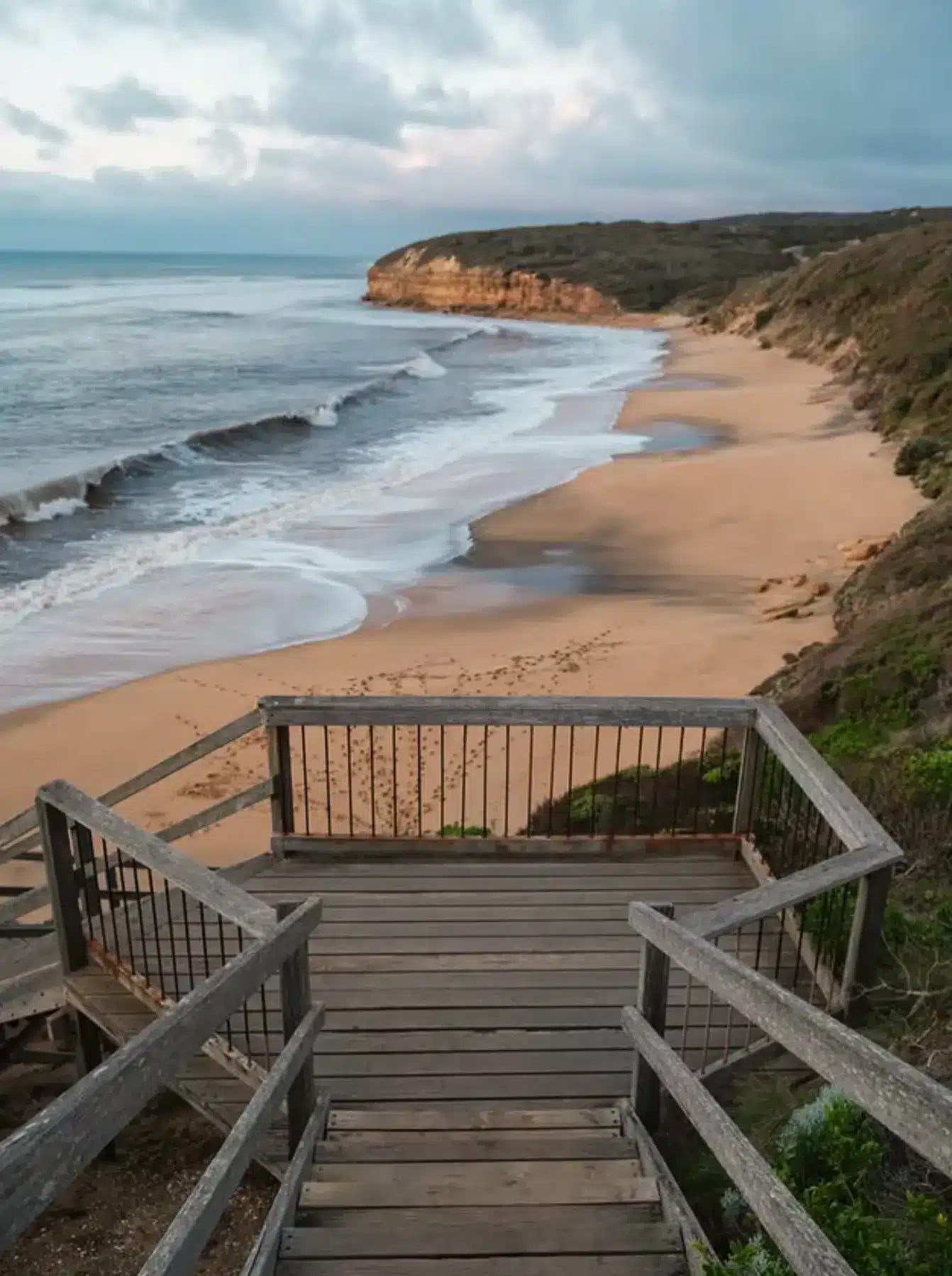

Years ago, I was guiding a small group along the Great Ocean Road just before Easter. We stopped above the cliffs as dawn cracked open over the Southern Ocean. Below us, the Rip Curl Pro scaffolds were going up, and a few locals were already testing the sets at Winki Pop.
One of them — a young bloke on a shortboard — paddled into a head high wave, dropped down the face and carved three perfect turns before disappearing into the foam. The crowd of early risers cheered, coffees in hand. No big sponsors, no trophies — just the pure joy of surfing.
That moment stuck with me. Bells isn’t just a surf event; it’s a community stitched together by the rhythm of the ocean.
Surf gear:
Safety: