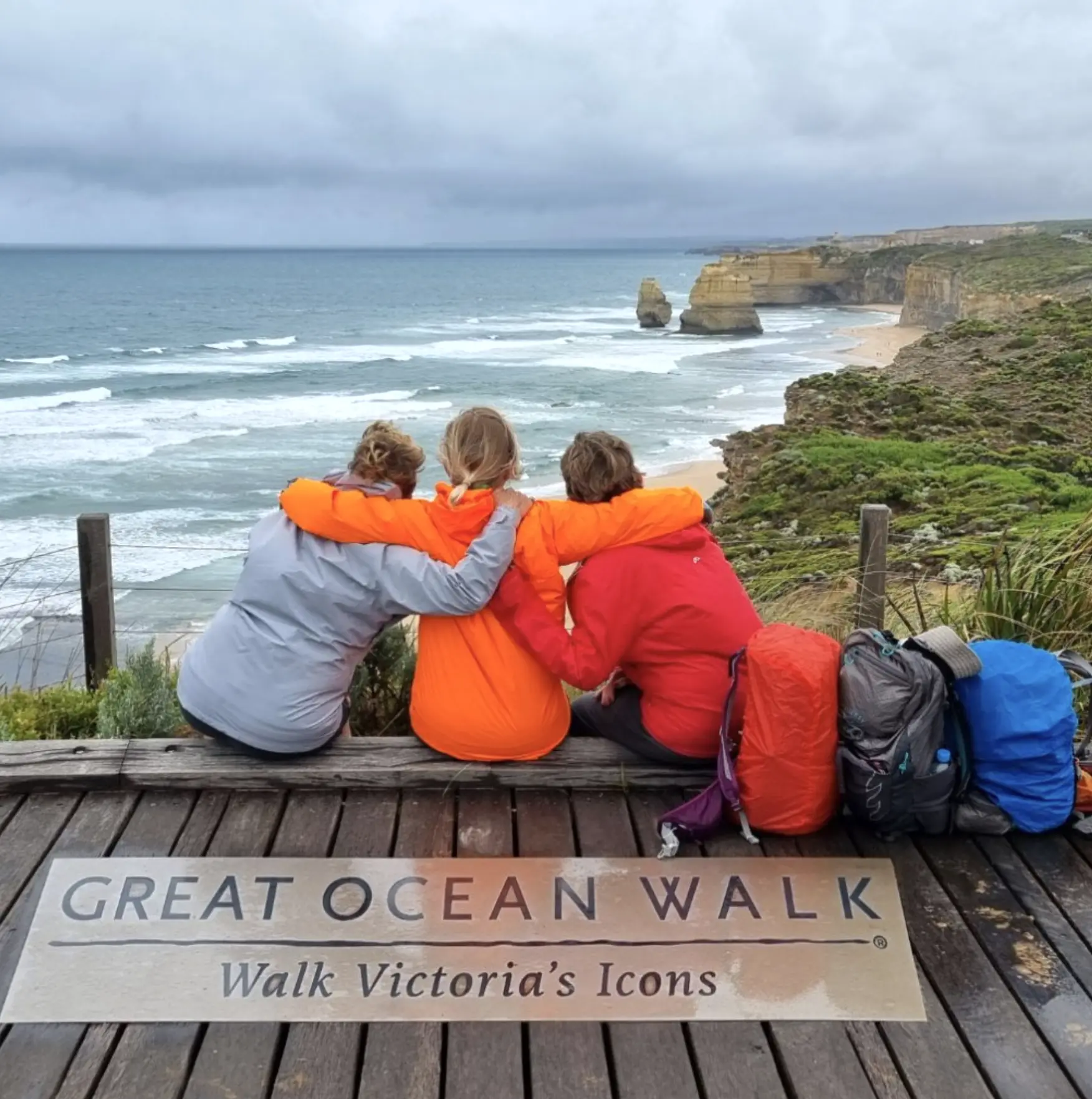
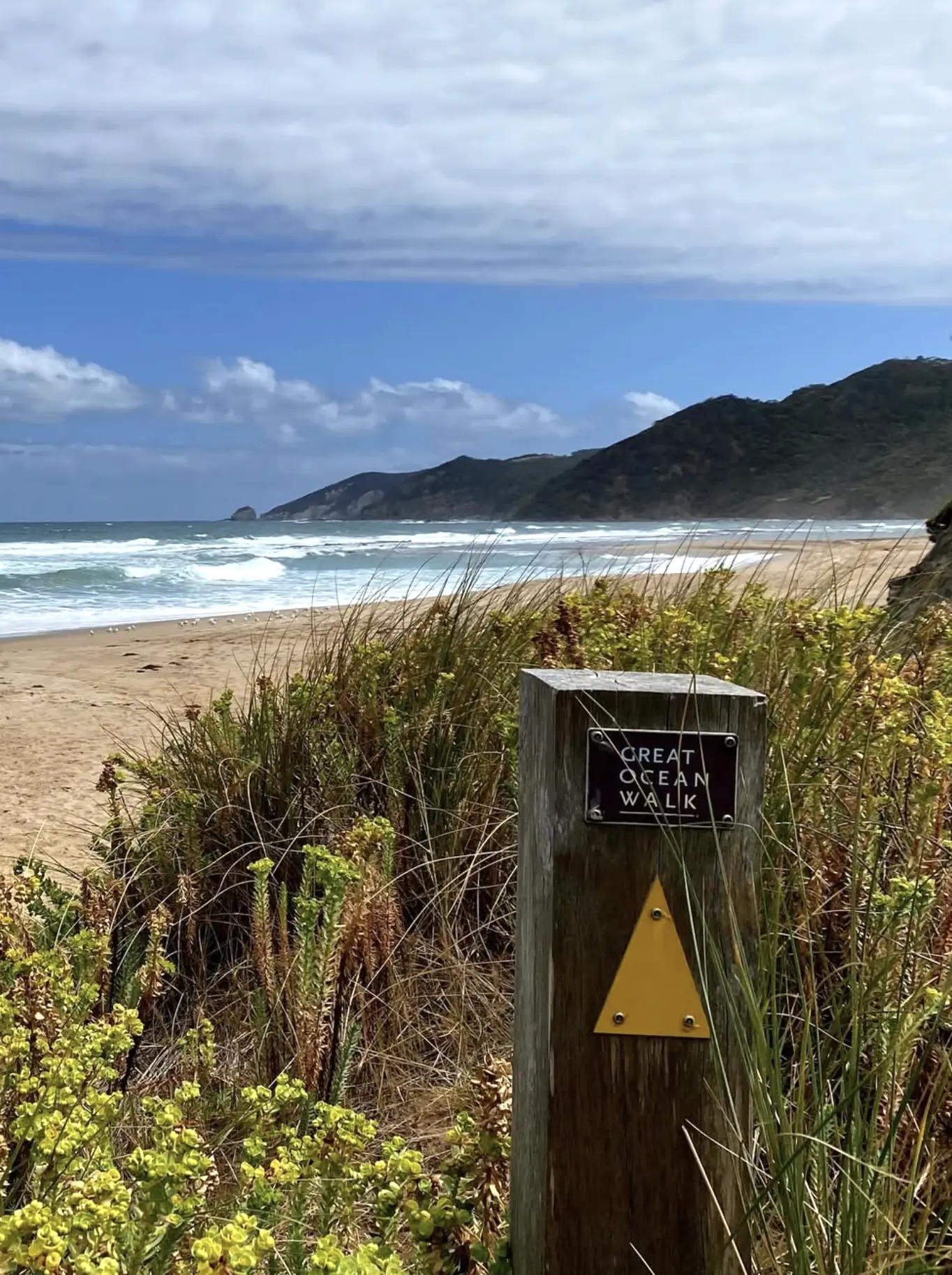
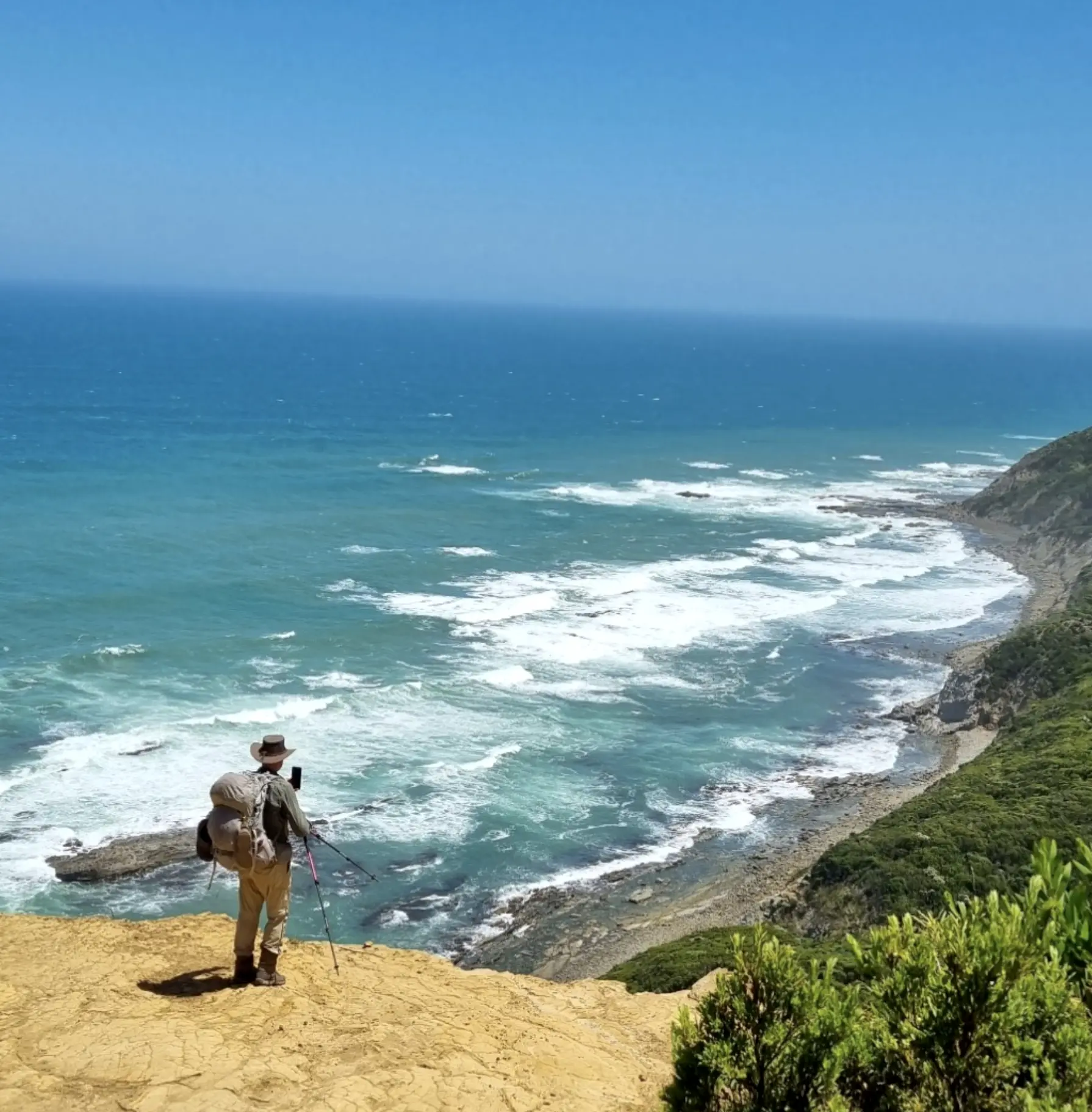
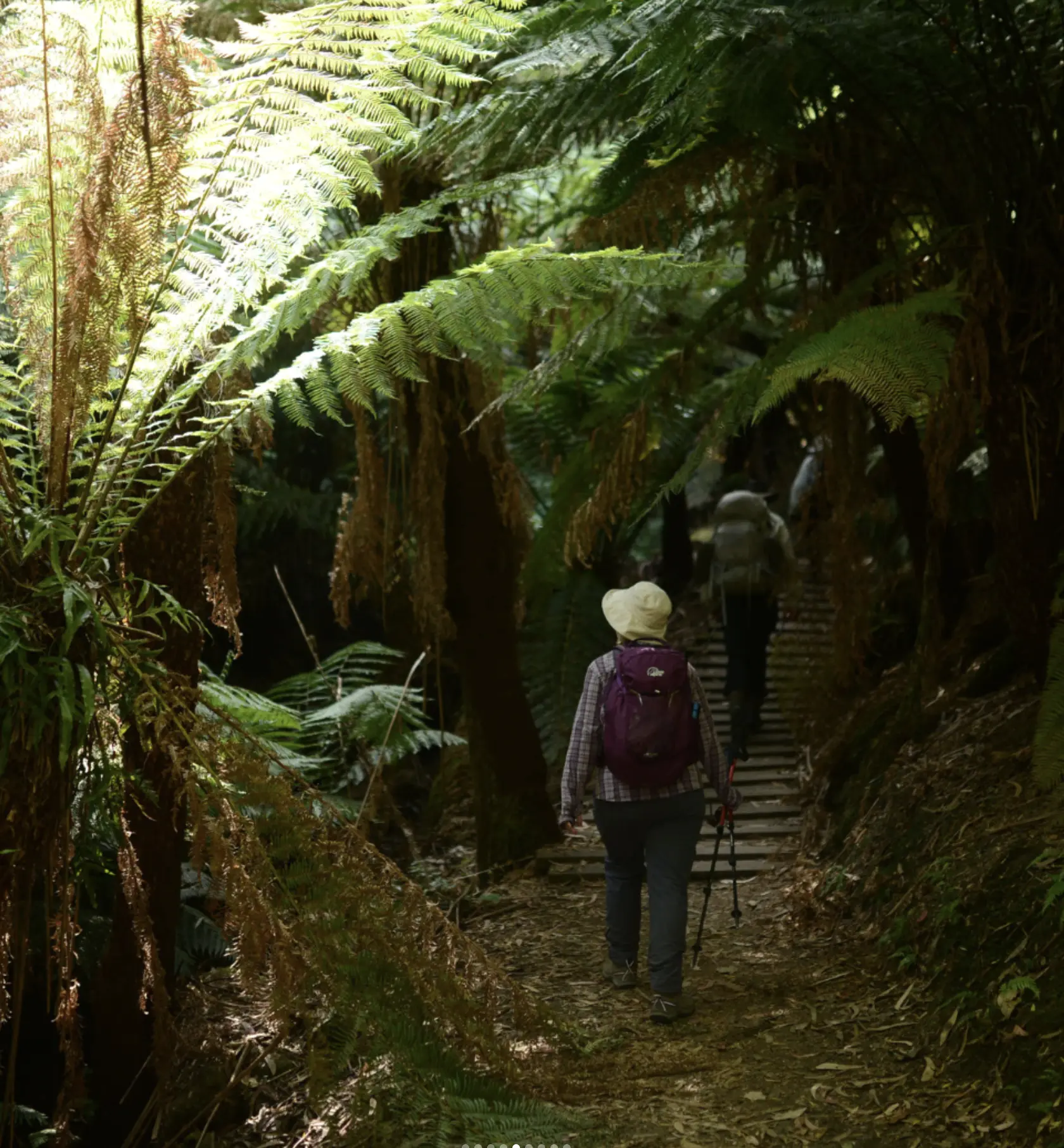
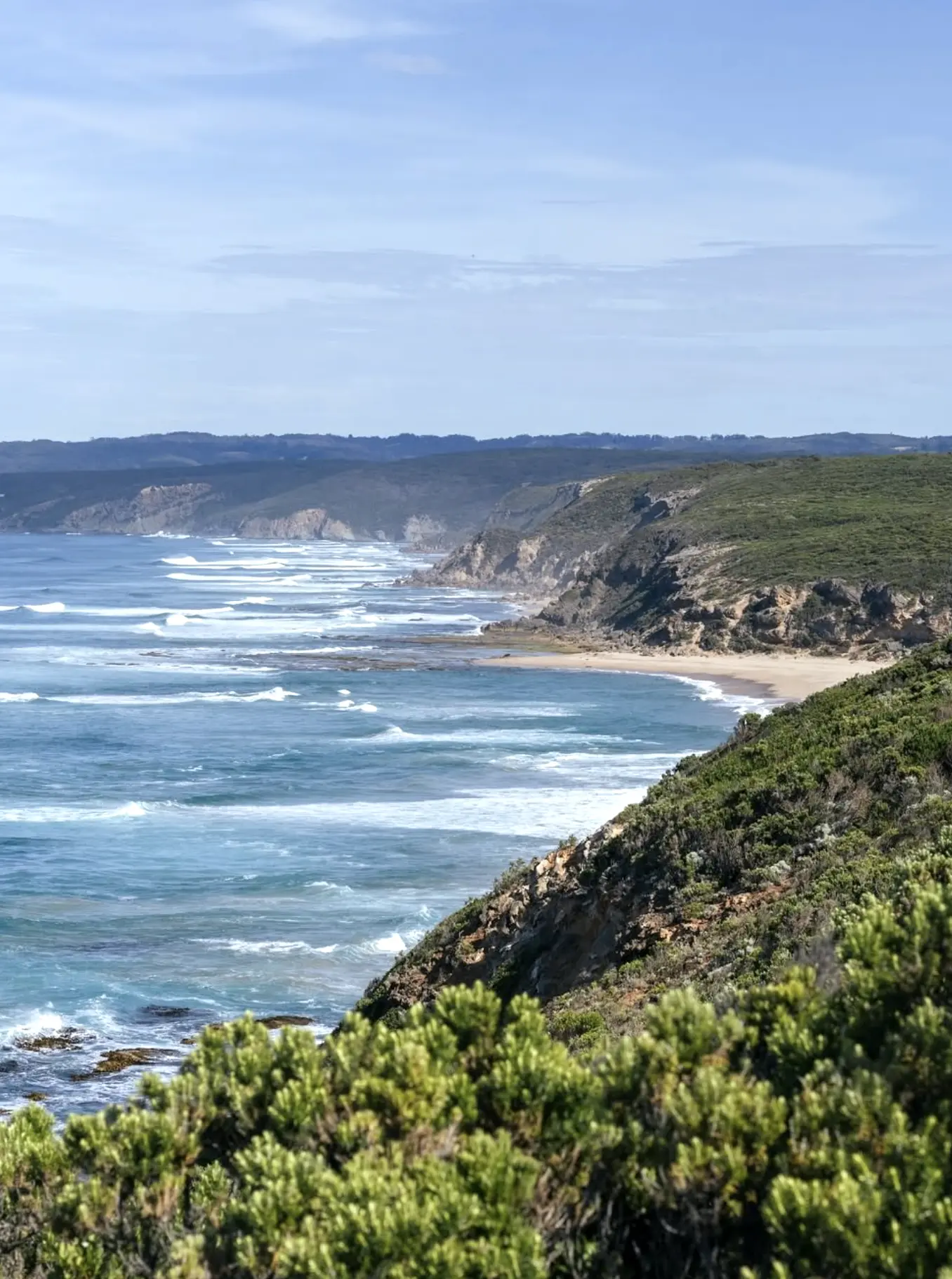
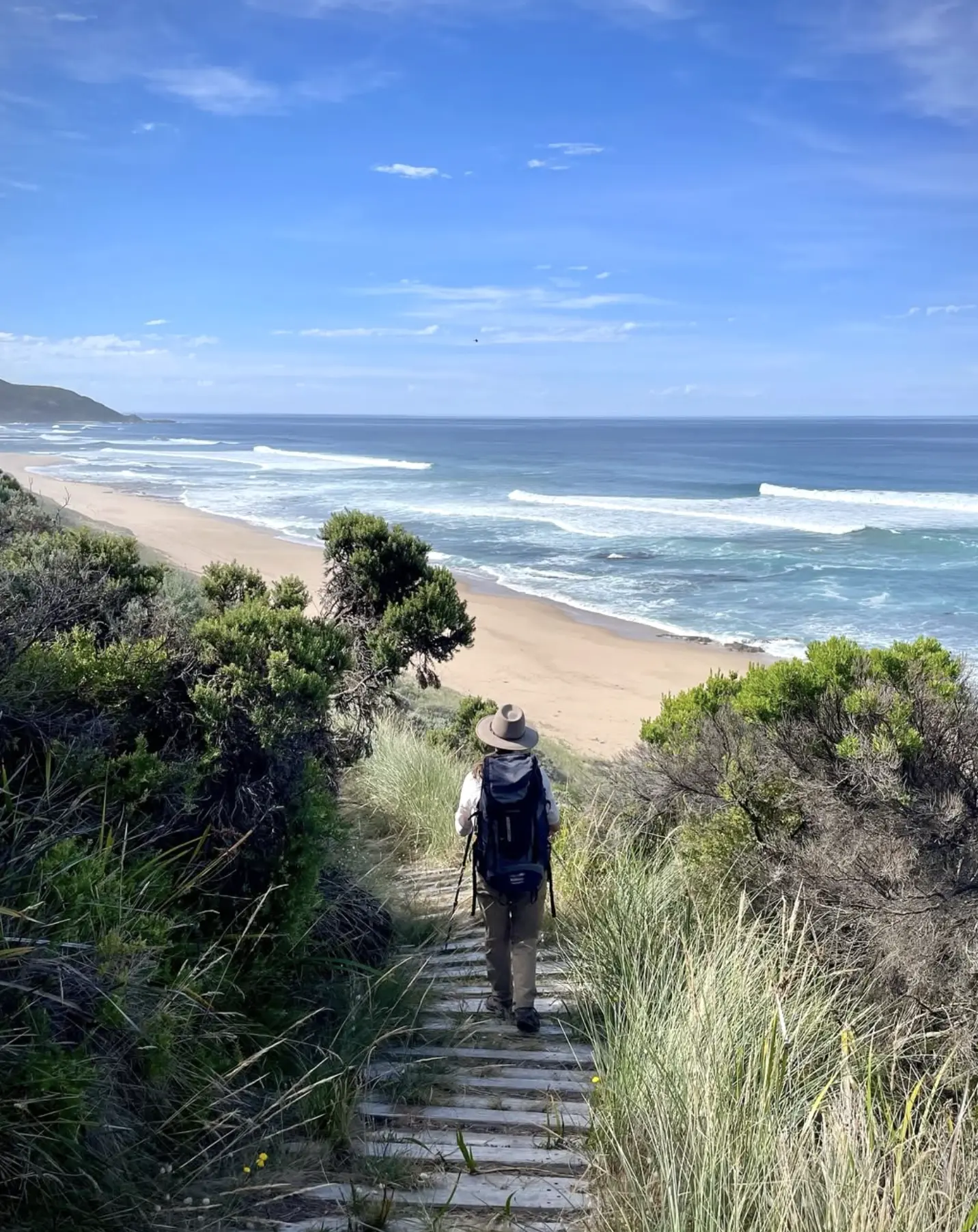
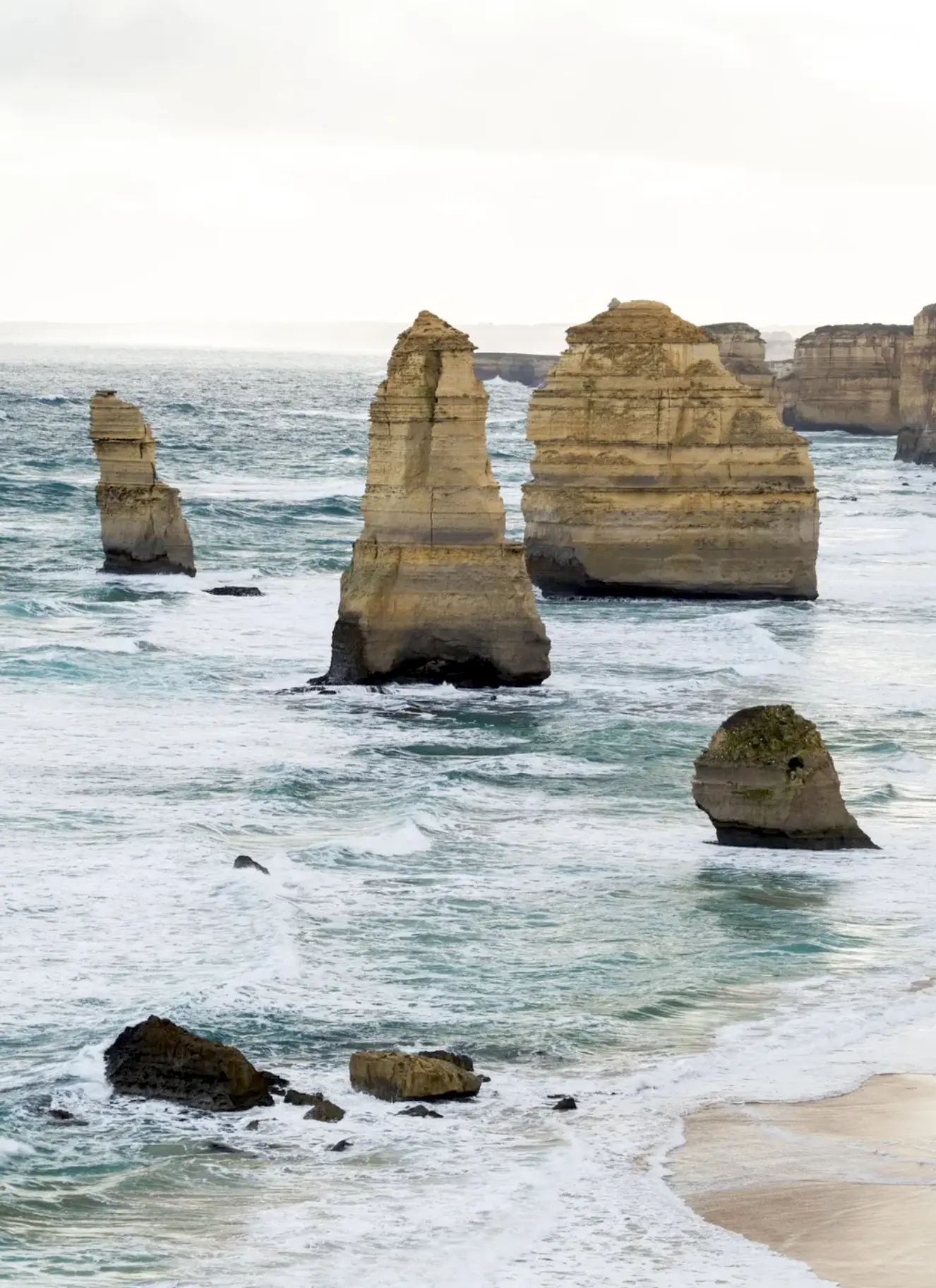
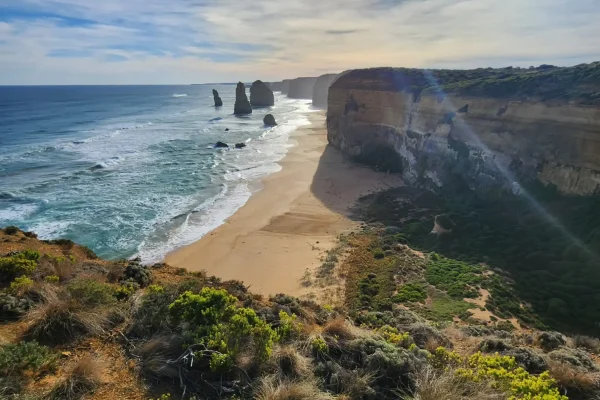
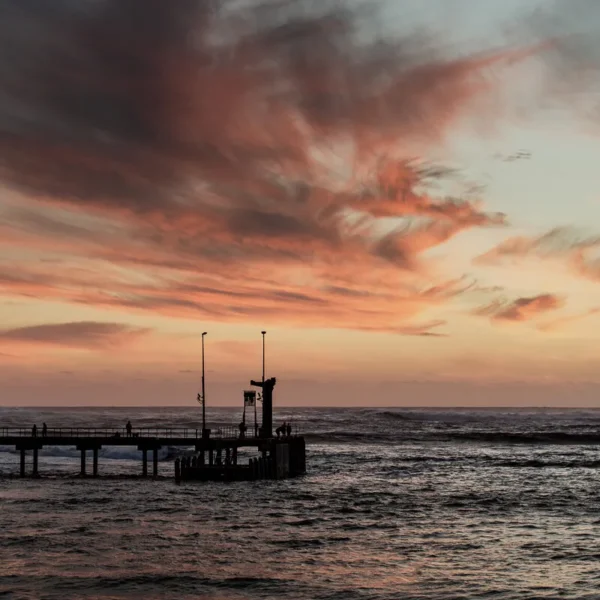
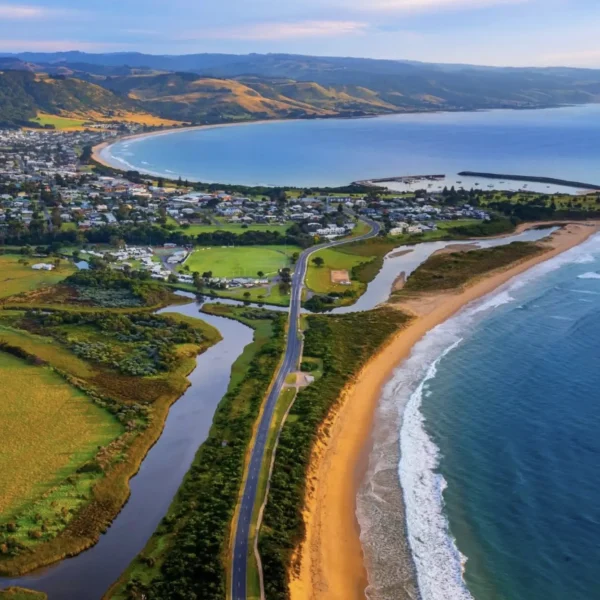
Few walks capture the wild heart of southern Australia like the Great Ocean Walk. I first tackled this beast of a trail with a small crew from Great Ocean Road Tours Australia, boots dusty, packs heavy, and spirits somewhere between excitement and dread. From Apollo Bay to the Twelve Apostles, this track unwinds for over a hundred kilometres of wind-carved cliffs, shipwreck tales and surf that never quits. You’ll earn every blister – but you’ll also earn a front-row seat to some of the most stunning coastline on the planet.
Table of Contents
What Is This Iconic Coastal Trail?
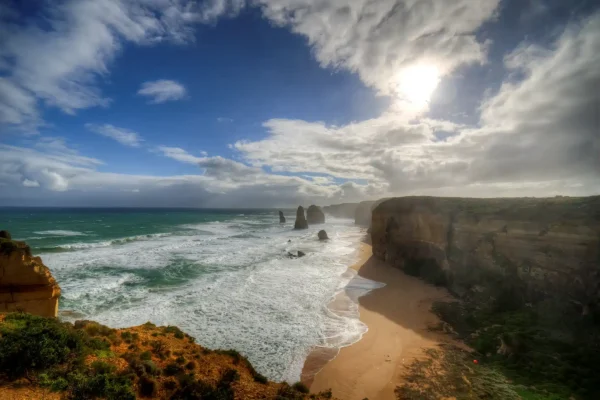
The Great Ocean Walk is a 110km coastal trail from Apollo Bay to the Twelve Apostles near Port Campbell, managed by Parks Victoria. Unlike the road trip version along the Great Ocean Road, the walk is a slower, deeper experience – where you feel the salt spray, hear the waves pounding below and see the Southern Ocean mood swing from calm to chaos in minutes. It’s a one-way journey through the Great Otway National Park and Port Campbell National Park, with trail sections weaving through forests of Mountain Ash, windswept heaths and beaches littered with shipwreck stories. If you’ve got time, legs and a good sense of humour about leeches, it’s one for the bucket list.
A Short History Of The Trail
The idea for the Great Ocean Walk began with Parks Victoria and local land managers wanting to create an immersive way to explore the Great Otway National Park. Officially opened in 2005, it was designed to link existing bush tracks and coastal paths into one continuous, eco-certified route – now recognised under Advanced Ecotourism accreditation. The walk traverses lands of the Gadubanud and Eastern Maar Peoples, who have cared for this coastline for tens of thousands of years. Many spots, like Cape Otway, were important gathering places long before European explorers such as Captain James Lawrence charted these waters. Later, the coast became infamous for wrecks – the Marie Gabrielle, Fiji, and Loch Ard, to name a few. Their stories live on in beaches like Wreck Beach and Loch Ard Gorge, where anchors still rest half-buried in sand. Even today, walking here feels like stepping through time — from Cape Otway Lighthouse to the windswept cliffs near Moonlight Head and Glenample Homestead.
Fast Facts: Highlights Of The Coastal Hike
Before you shoulder your pack and set out, here’s the gist in a nutshell:
Trail Feature
Details
Distance
110 km (one-way)
Duration
7–8 days (average)
Start Point
Apollo Bay
Finish Point
Twelve Apostles, Port Campbell
Best Season
March–May or September–November
Trail Type
One-way coastal track
Permits
Required for campsites (Parks Victoria)
Difficulty
Moderate to challenging
Managed by
Parks Victoria
Closest Towns
Apollo Bay, Lavers Hill, Port Campbell
Trail Timing: Planning Your Multi-Day Coastal Walk
Most walkers take 7–8 days to complete the Great Ocean Walk, walking 10–15 km per day. The official itinerary from Victoria Walks breaks it into 8 sections, each with new landscapes and moods.
Of course, you can do unguided walks or join a guiding company like us for eco-certified, Advanced Ecotourism-approved walks. Some do just sections — Apollo Bay to Blanket Bay or Aire River to Ryans Den — while others do the whole thing and finish at the 12 Apostles Marine Park lookout.
No matter how far you go, plan for water crossings, tide times and camp bookings — the track follows the ocean, and nature always has the final say.
Trail Sections And Distances Explained
The trail is broken into eight official sections, each with its own character. Here’s how it breaks down:
Fern gullies, Elliot River Loop Walk, koalas near Bimbi Park
Blanket Bay → Cape Otway
11
Cape Otway Lightstation, Parker Inlet, historic telegraph station
Cape Otway → Aire River
10
Cape Otway Lighthouse, sand dunes, Aire River crossing
Aire River → Johanna Beach
14
Castle Cove, Crayfish Bay, Johanna River, sweeping views
Johanna Beach → Ryans Den
14
Coastal scrub, Decision Points, Milanesia Beach, cliffs and ocean views
Ryans Den → Devils Kitchen
13
Milanesia Beach, Gellibrand River, Moonlight Head panoramas
Devils Kitchen → The Twelve Apostles
14
Wreck Beach, Gog and Magog sea stacks, Gibson Steps, finish at the Twelve Apostles Visitor Centre
Each stage has rainwater tanks (Clivus Multrum systems) and composting toilets — but you’ll need to treat the water before drinking. Parks Victoria rangers maintain the route using Tirfor winches and hand tools to keep erosion under control — a testament to how wild and fragile this landscape remains.
Wildlife Along The Trail
The Great Ocean Walk is like a moving nature documentary — only sweatier and with fewer commercial breaks. From the eucalyptus groves to the rocky shores, you’ll meet all sorts of locals:
Koalas lounging in the manna gums near Cape Otway.
Swamp wallabies darting across heathland.
Fur seals hauled out on reefs near Marengo.
Echidnas snuffling for ants in sandy dunes.
Whales (mainly southern right and humpback) cruise offshore in winter.
Birdlife galore — gang-gang cockatoos, rosellas, and wedge-tailed eagles overhead.
Just keep your distance, especially around nesting birds and seal colonies. And for the love of your ankles, zip your tent — bush mice are cheeky little buggers.
Best Time Of Year To Hike
Timing makes or breaks this walk. I’ve done it in everything from drizzle to blazing sunshine, and I’ll tell you straight — autumn and spring are the sweet spots.
September–November: Wildflowers out, whales still passing by.
June–August: Expect cold, wet, and wild — though quieter.
December–February: Hot, snakes are active, and campsites are packed.
Avoid high summer if you can — the UVs are brutal, water tanks run low, and mozzies throw a party in your honour.
How To Plan Your Logistics And Campsites
Book campsites early through Parks Victoria — spots like Ryans Den and Devils Kitchen are hot property.
Use shuttle services from Apollo Bay or Port Campbell — handy for one-way trips.
Bring offline maps and a compass — GPS doesn’t work past Moonlight Head.
Check tides at Wreck Beach and Parker River Inlet — sections can disappear at high tide.
Treat all water from tanks and creeks.
Take out your trash — this is an eco-certified route, part of UNESCO World Heritage.
If you’d like support, guided walks with local guides or Australian Hiker Experience Rating tours are a good option.
Common Mistakes First-Timers Make
Underestimating the track. It’s not a Sunday stroll. Some climbs are steep and sandy.
Poor footwear. Trail runners might do, but sturdy boots save ankles on rough sections.
Ignoring tides. Check tide charts — sections like Wreck Beach can be deadly if misjudged.
Skipping weather checks. The Southern Ocean can turn savage in an hour.
Overpacking. That fifth T-shirt will just become dead weight.
Leaving late. Early starts beat heat, crowds, and low light.
A bit of prep — and humility — goes a long way on this track.
Training Tips For Your Coastal Adventure
Do regular hikes of 10–15 km with a loaded pack.
Build leg and core strength — squats, lunges, and stair climbs do wonders.
Break in your boots early; blisters on day one are misery.
Simulate terrain — coastal tracks, sand, and hills where possible.
Practice packing so your weight sits comfortably.
Think of it as conditioning for adventure — you’ll be fitter, lighter, and less likely to mutter unprintables on every incline.
A Few Local Stories From The Trail
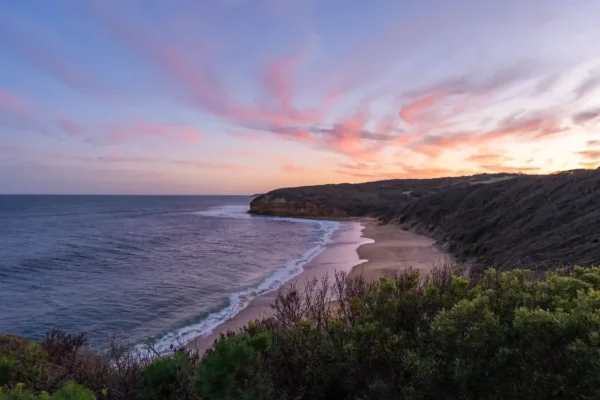
One calm evening near Ryan’s Den, I watched the sun melt into the Southern Ocean while wallabies grazed beside my tent. In the distance, the sea stacks of Gog and Magog caught the last pink light. That night, with no reception and only waves for company, I realised why this track captures so many hearts — it strips away the noise.
From Maits Rest Rainforest Walk’s cool canopy to Moonlight Head’s roaring cliffs, every kilometre tells a story. Some about endurance. Others about the land itself. This is exactly what makes the 1 day Great Ocean Road tour so unforgettable.