
Staying at Yulara in 2026: A Breakdown of Camping vs. Resort Costs
Staying at Yulara in 2026: a reality check – camping vs resort costs. The age-old question: is camping really the cheaper option, or do resorts make up for their higher prices with comfort? In our experience, the answer is simple: camping is a cost-effective option – but only if you know what you’re getting into – while resort stays are where it’s at if you value your sanity in the middle of nowhere.
I’ve had my fair share of experiences in both types of accommodation – and let me tell you, they’re worlds apart. I’ve camped under warm starry skies with nary a cloud in sight…and then had to contend with flies buzzing round my head before sunrise the next morning. And then there was the time I rolled into my air-con room at the end of the day, feeling like I’d splurged the whole budget on that Uluru trip. If you want the short and sweet answer: camping is for the pros who just want to save a buck or two, while resort stays are for anyone who’s new to the Red Centre, wants a bit of comfort or just values their time.
Table of Contents
Yulara - A Town Like No Other
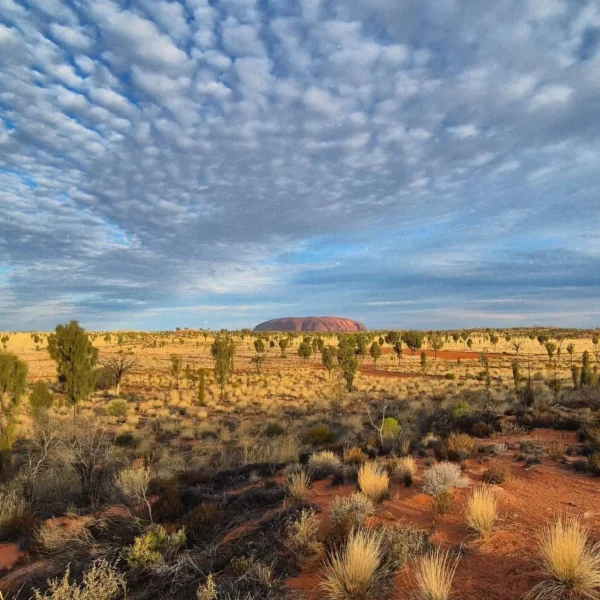
Yulara isn’t exactly your typical town – it’s a remote service centre built just for visitors to Uluru-Kata Tjuta National Park. Everything here comes in from elsewhere, which explains why the prices can be a bit steeper than you’d expect – even compared to the rest of the NT.
Now this adds up to higher costs for both camping and resort stays. It’s not just about paying for a bed or a bit of dirt – it’s all the behind-the-scenes stuff that keeps the whole place running, from fuel to infrastructure to just having someone around to help you out when you get stuck.
Getting to Yulara Without Losing Your Mind
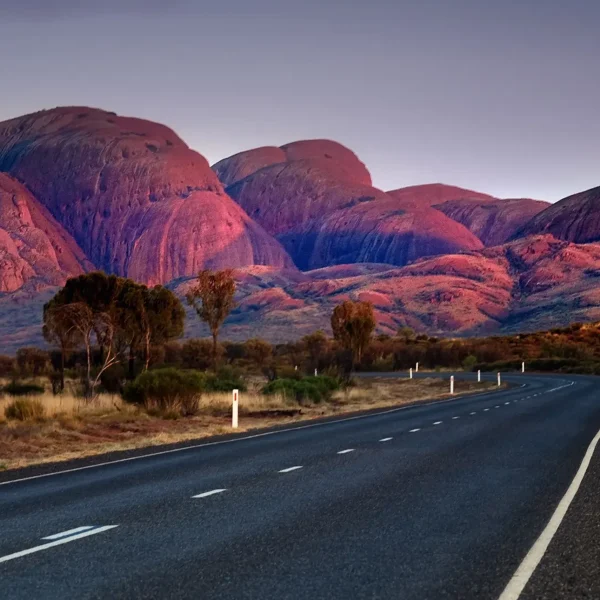
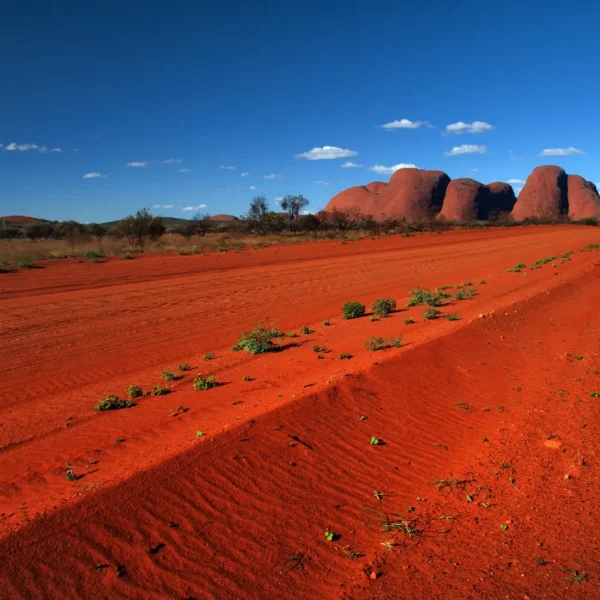
The main way people get here is via the Stuart Highway and the Lasseter Highway – Alice Springs to Ayers Rock is about 450 kilometres. The maps would have you believe it’s a 5-hour drive, but let’s be real – with some fuel stops, road trains and getting out of the car, you’re looking at more like 6 hours.
A lot of people underestimate just how late you can arrive. I’ve pulled in just as the sun is setting, and let me tell you, it’s not exactly ideal. Visibility drops, wildlife gets feisty, and navigating to your site becomes a real challenge. If you can, aim to roll in by mid-afternoon at the very latest – that way you can actually enjoy that first sunset rather than rushing to get settled before dark.
Camping Costs: Not As Cheap As You Think
Camping at the Ayers Rock Campground is the cheapest option – but only if you’re set up and ready to go. And even then, those savings can dwindle pretty quickly.
Here’s a realistic breakdown of what you might expect to pay for a 2-night stay in 2026:
| Category | Estimated Cost (AUD) | What It Means In Practice |
|---|---|---|
| Site Fees | $90–$140 total | Powered sites cost more, book ahead in peak season |
| Food & Supplies | $80–$120 | Groceries are pricier on-site |
| Ice & Water | $20–$40 | You’ll need more than you think |
| Fuel (local driving) | $60–$100 | Especially if heading to Kata Tjuta |
| Total | $250–$400 | Assuming you’re fully self-sufficient |
Where travellers get caught out is that they start thinking ‘cheap’ is just a euphemism for ‘easy’. I mean – not getting me wrong, the campground I’ve encountered has been really well-run – but lets face facts, you’re still stuck with shared facilities, limited shade & the full force of those harsh outback conditions.
What Usually Gets Campers into a Spot of Trouble
More often than not, it’s travellers underestimating the outback environment, not that they haven’t put in any effort at all, that causes the problem. I see a lot of people showing up with minimal gear and thinking it’ll be fine, but most of the time it just isn’t.
Heat hangs around all night in summer, turning those flimsy tents into makeshift ovens. Those flies start buzzing away by morning. And trust me, the wind can pick up before you even know it’s changing. I’ve seen people pack up after just a night, and it’s not because they didn’t enjoy camping; it’s just that they weren’t ready for the outback.
If you’re planning on doing the 2 Day Uluru Tour from Ayers Rock, then camping might just about cut it – as long as you have a setup that lets you hit the ground running in the morning, grab a decent kip and not have to worry about too much hassle.
Resort Costs: Paying for Comfort & Ease
Staying at Ayers Rock Resort is far from cheap – but at least you know what you’re getting. And when you’re in the middle of nowhere, that’s a real comfort.
Here’s what you can expect to pay in 2026:
| Accommodation Type | Estimated Cost (AUD/night) | What You’re Really Getting |
|---|---|---|
| Budget Lodge | $180–$250 | Basic room, shared facilities nearby |
| Mid-Range Hotel | $300–$450 | Private space, strong air-con |
| Premium Rooms | $450–$700+ | Full comfort, pools, and dining access |
What many people overlook is how vital those comforts are. After a long, gruelling day of trudging along, driving and battling through the heat, getting a proper shower, a cool room or a halfway decent meal isn’t some indulgence you can take for granted – it’s what you truly need to get your energy back.
I’ve had plenty of travellers turn up and tell me they booked a resort room “just so they could get some sleep”. But by day two, they’ve become so comfortable that before long, they’re spending time lounging by the pool, taking mid-morning breaks and staying longer than they had planned because they just aren’t feeling knackered anymore.
Getting Around Uluru: What to Expect
Where you stay really makes all the difference in how easily you can get around. Yulara is the base for everything, but don’t think the distance is a minor thing – it still adds up.
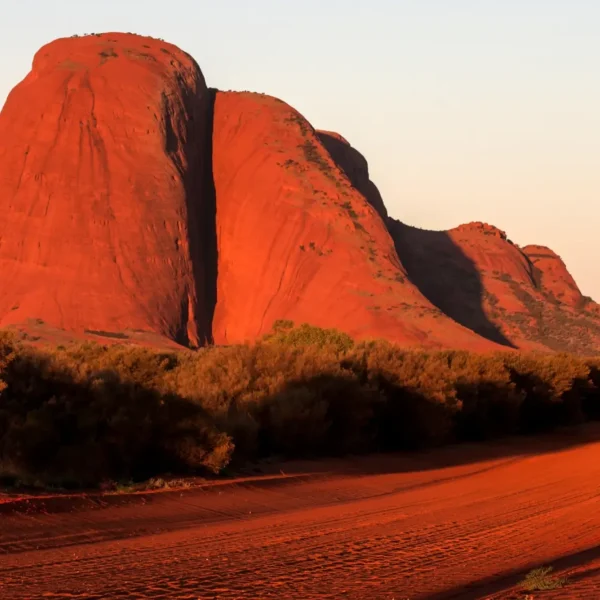
Driving from Yulara to the Uluru sunset spot takes around 25 minutes, but add another 15-20 minutes or so to get to Kata Tjuta, and I’m talking without stopping, apart from a few snaps and a quick look around. And even that will take you some time.
The timing of sunrise and sunset is a real trap for a lot of people – you’re not just turning up for the show, you need to get there with plenty of time to spare, at least 30-45 minutes before the action starts. That means setting your alarm early, making a hasty exit, and sorting yourself out in double-quick time.
This is where having a guided tour really comes in handy. Operators like Wayoutback Tours have got the timing sorted, so you don’t have to worry about any of this, which can be a weight lifted right off your shoulders. A 2 Day Uluru Tour from Ayers Rock, which is often run by one of these experienced outfits, can end up being a whole lot less hassle than going it alone if you don’t have loads of time to spare.
Walking Uluru And Kata Tjuta: What To Expect
On the face of it, the walks around here seem pretty straightforward. But the reality is that conditions can make them a lot tougher than you’d expect.
Here’s how it breaks down in real life:
| Walk | Distance | Realistic Time | Difficulty | Key Challenge |
|---|---|---|---|---|
| Uluru Base Walk | 10.6 km | 3–4 hours | Moderate | Heat exposure, limited shade |
| Mala Walk | 2 km return | 1–1.5 hours | Easy | Busy during peak times |
| Valley of the Winds | 7.4 km | 3–4 hours | Moderate–Hard | Steep sections, heat |
The biggest risk when visiting the Red Centre isn’t dodgy terrain – it’s the heat, which can be just plain blistering. You’ll often see walks get shut down when the thermometer hits 36 degrees & safety takes priority. The thing is, if you head out on a hike when the day’s already started to heat up, you’re pretty much guaranteed not to make it all the way to the end.
I’ve lost count of how many people have underestimated the Valley of the Winds at Uluru & had to turn back before they’d even got halfway through. And its usually because they didn’t treat the conditions with the respect they deserved – not because they weren’t fit walkers.
Seasonality - What a Difference It Makes
Seasonality in the Red Centre is a big deal – it completely changes the feel of your trip.
When you’re visiting during the dry months (May to September), the conditions are actually pretty ideal for getting out and exploring. The cooler mornings make it a lot easier to tackle those longer walks, but on the flip side, prices are at their highest & availability gets tighter.
April and October are usually the best times to come out – its warm enough, but if you get an early start, you’ll be fine. And you’ll get a bit better pricing, too, plus fewer crowds.
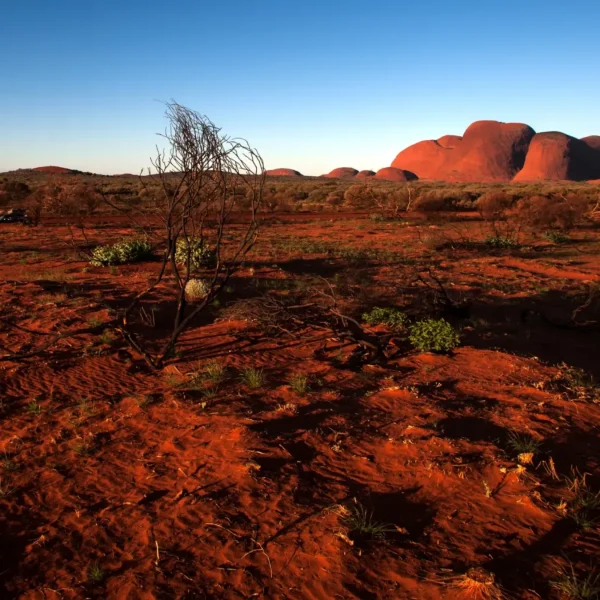
Summer, on the other hand, sees the temperature really take off – often well over 40 degrees. Walks start closing due to heat, and camping becomes a lot less comfortable – sometimes downright nasty for a newcomer. The resort stays become less about just trying to cope with the heat and a lot more about luxury.
The Reality Check
- Expectation: “Camping will be a real money saver, and just as nice as any other campsite”
- Reality: Its exposed to the elements, bloody hot, and you’d better be totally prepared.
- Expectation: “Resort stays are a complete rip-off for what you get”
- Reality: That money actually gets you some recovery time, convenience, and a bit of basic safety in extreme conditions.
- Expectation: “I can just cram everything into one day”
- Reality: Its a nightmare trying to plan your day out with distances, timing and exhaustion all stacked against you.
So, What's The Smarter Play
If you’re an experienced traveller who’s used to the outback, you’re happy to rough it & know what you’re doing – then camping might be the way to go for you. If you’re on a longer trip & need to stretch your budget, it can also be a good option.
But if you’re working to a tight schedule, or you’re a first-timer, a resort stay is probably the better bet. They suit families, people with no experience & anyone who values comfort & efficiency over anything else.
If you’re on one of those 2-day Uluru Tours from Ayers Rock, then a resort base will usually make the whole thing run a lot more smoothly.
Yulara - A Town Like No Other
The main way people get here is via the Stuart Highway and the Lasseter Highway – Alice Springs to Ayers Rock is about 450 kilometres. The maps would have you believe it’s a 5-hour drive, but let’s be real – with some fuel stops, road trains and getting out of the car, you’re looking at more like 6 hours.
A lot of people underestimate just how late you can arrive. I’ve pulled in just as the sun is setting, and let me tell you, it’s not exactly ideal. Visibility drops, wildlife gets feisty, and navigating to your site becomes a real challenge. If you can, aim to roll in by mid-afternoon at the very latest – that way you can actually enjoy that first sunset rather than rushing to get settled before dark.
Final Takeaway - From Me
I’ve learned the hard way that trying to save money doesn’t always mean you’ll come out on top – Yulara will reward you if you get it right, but otherwise it’ll bring the hammer down. Camping is an absolute blast if you know what you’re doing, but if you’re underprepared, running low on time or visiting in the peak of summer, it can quickly turn into hard graft. Resort stays may cost more, but they free up some time, energy & basic comfort, which can make all the difference in how you experience the Red Centre.
If you’re unsure, just balance it out – have a night under the stars, then book a room, or better yet, let the pros handle it, and you can just enjoy it, without the hassle.
FAQ
Camping at Yulara: Will I save a bunch of cash compared to staying in a resort?
Yes, you will, but only if you show up ready to go camping. If you’re flying in without a clue, or stumbling about trying to buy last-minute supplies like food or ice to keep your gear from turning into a puddle, those extra costs can soon eat into any savings you thought you were making
Are resorts at Yulara really worth the price tag?
When you think about just how remote this place is and the costs of setting up and running it, let alone the high-season prices, then yeah, your resort bill is probably in line with what you’re getting for your money.
How far is Yulara from Uluru and Kata Tjuta?
Uluru is roughly a 20-minute drive from Yulara & Kata Tjuta is a similar 45-50-minute trip
How much camping experience do I need to know what I'm doing at Yulara?
Not loads – but maybe not just a couple of days’ notice either. When it gets hot & the conditions start to get on top of you, it’s best not to be a rank amateur
If I've only got a couple of days to get out there, what's the best bet?
Resort stays in this case are probably the way to go – you can skip a lot of the hassle of getting to and from the place & make the most of your time there.
Related Tours
- Departs / Arrives
- 7:35-20:30
- Starts / Finishes
- Melbourne
- Duration
- 1 day
- Style
- Original
- 135 AUD
- 95 AUD
- Departs / Arrives
- 11:30-00:00
- Starts / Finishes
- Melbourne
- Duration
- 1 day
- Style
- Original
- 115-135 AUD
- Departs / Arrives
- 11:45-21:45
- Starts / Finishes
- Melbourne
- Duration
- 1 day
- Style
- Original
- 135 AUD
- 129 AUD

- Departs / Arrives
- 08:20-20:30
- Starts / Finishes
- Melbourne
- Duration
- 1 day
- Style
- Comfort
- 160 AUD
Related Articles