
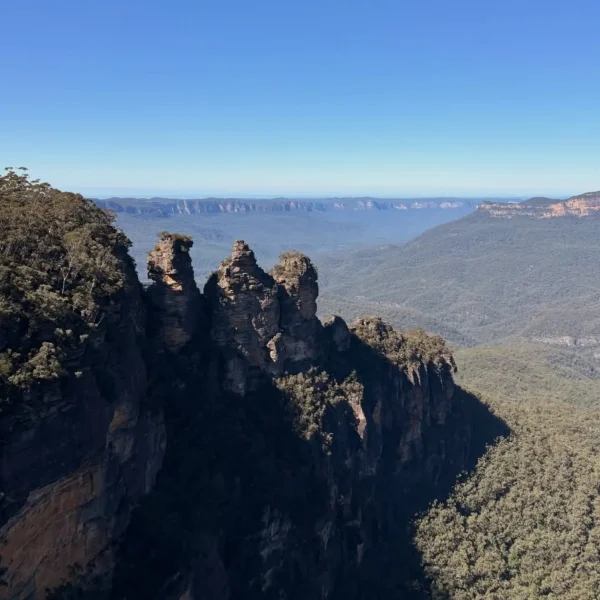
Why Are They Fencing Off More Lookouts In The Blue Mountains?
Why are they fencing off more lookouts in the Blue Mountains? The short of it is: people’s safety, the erosion of those fragile cliff edges, and the sheer number of visitors – millions of people every year. It’s not about ruining the view, but about keeping you alive. It’s about protecting those cliff edges and finding a way to manage a national park that’s just getting too popular.
I’m Paul, and I’ve been taking tourists through the Blue Mountains for ages – from watching the sunrise over Echo Point and the Three Sisters to discovering some of the lesser-known spots near Wentworth Falls and Lincoln’s Rock lookout. I’ve lost count of how many times I’ve seen cliffs collapse, tourists wandering too close to the edge for that perfect self-take, and rescue choppers being called in more times than you could shake a stick at. And the fences? Well, they’re not an overreaction – they’re a response to the real-life safety issues that keep building up.
Table of Contents
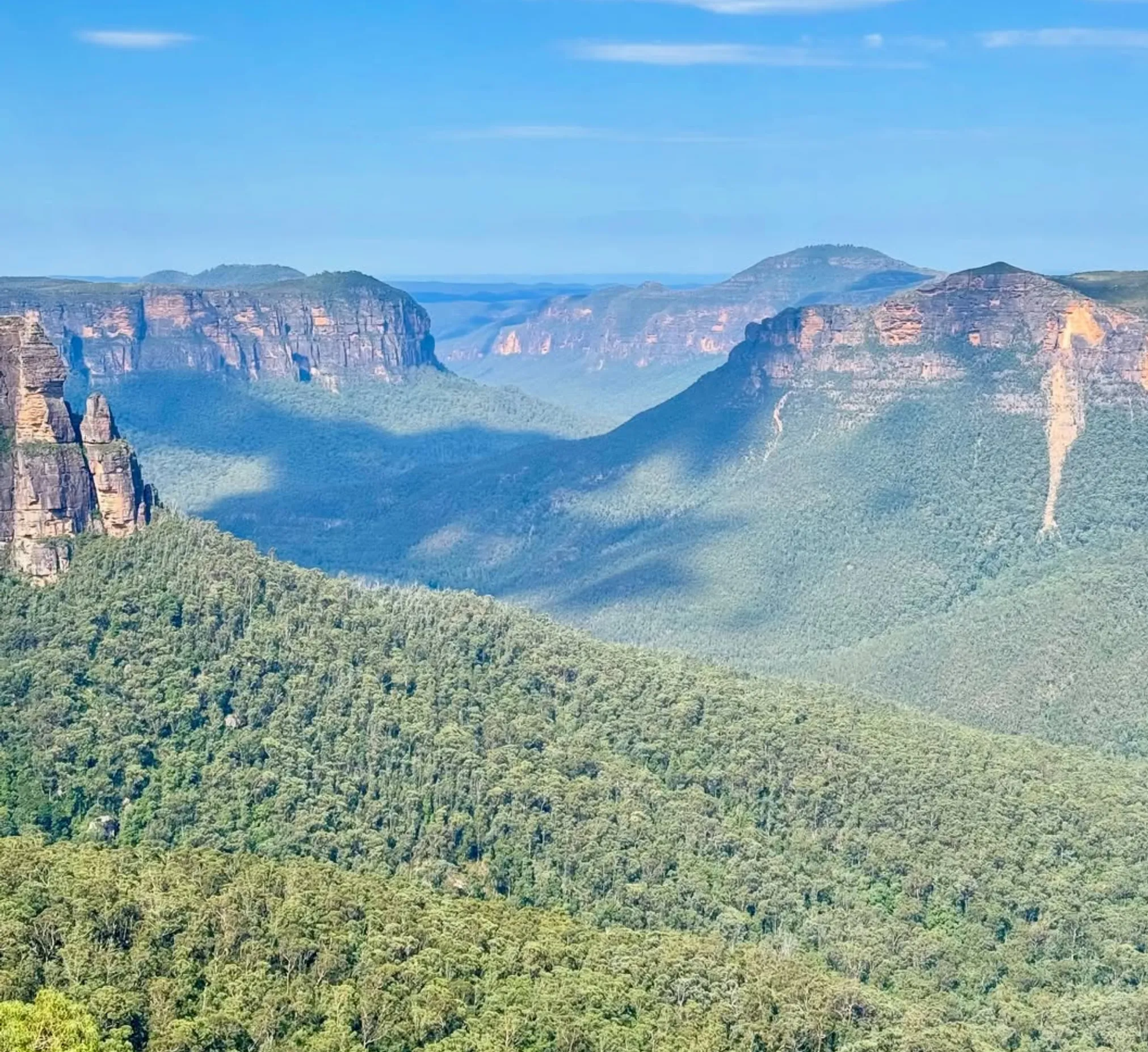
Safety Infrastructure Is Increasing Across Key Viewpoints
People tend to grumble whenever a new barrier gets put in place. I get it – no one heads out to Scenic World or along Cliff Drive dreaming of handrails and safety nets. But once you start to understand just how fragile that sandstone is beneath your feet, it all starts to make a bit more sense.
Cliff Edges Are Less Stable Than They Look
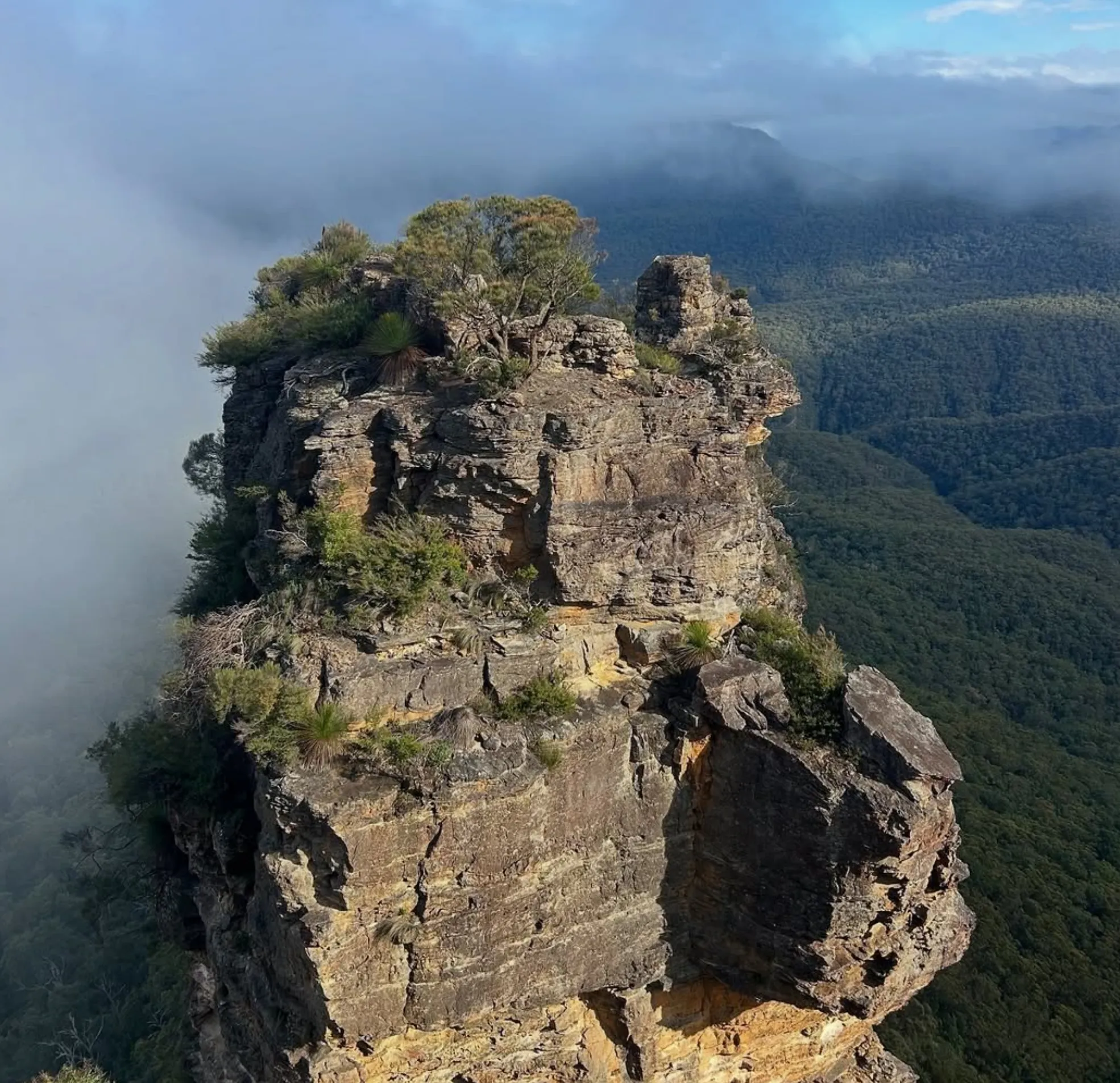
Look at Govetts Leap over Govett Gorge or Evans Lookout, giving a gander into the Grose Valley, and you’d think the sandstone escarpments were as solid as a rock. But they’re not.
I’ve walked sections near Katoomba Falls and the Prince Henry Cliff Walk where huge chunks of rock have just vanished overnight – no warning, no fuss, just gone. The sandstone starts to crack, water seeps in and then the heat and bushfires just speed up the whole thing. That’s why you’re now seeing barriers popping up in places where people used to wander freely.
Visitor Pressure Is At Record Levels
From the Lower Mountains all the way up to the Upper Mountains, visitation has gone ballistic. Places like Echo Point, the Scenic Railway at Scenic World and the Wentworth Falls Picnic Area now feel more like a crowded city lookout than a peaceful escape in the bush.
The Blue Mountains get something like a few million visitors a year – and that’s not just a stat, that’s something you can really feel when you’re there on the ground. Places like the Grand Canyon Walk and viewpoints like Pulpit Rock or Anvil Lookout get absolutely hammered – and that means more wear and tear, more people taking shortcuts and more opportunities for something to go horribly wrong.
If you’ve ever done a Sydney on Blue Mountains tour, you’ll know exactly what I mean – midday crowds, people queuing up for photos and not a lot of room to breathe near that cliff edge.
Social Media Has Changed Behaviour At Lookouts
This one’s the elephant in the room. Social media has completely turned the way people use lookouts on its head.
Lincoln’s Rock lookout used to be a quiet little spot, but now it’s a magnet for people chasing that ultimate edge-of-the-world shot. I’ve seen people climb past the barriers, edge along the ledges and just ignore all the safety rules just to get that picture.
As a result, the authorities have had to install more fencing and signs just to reduce the chances of someone taking a tumble.
What Happens When Things Go Wrong Out Here
This is far from hypothetical. Incidents in the Blue Mountains are a sad annual occurrence, especially in busy areas.
Emergency Rescues Are A Regular Occurrence
Teams from the National Parks and Wildlife Service are constantly on call to deal with the dramas out at places like Katoomba, Blackheath and points beyond.
The scenarios that play out include:
- Slipping on a rock near Leura Cascades or Katoomba Falls – not a good place to be.
- Getting stranded near Narrow Neck or Mount Solitary – that’s when things start to get really scary.
- Having a nasty fall near Burramoko Head or Castle Head – no one wants that.
Each one of those rescues is a nightmare – for everyone involved.
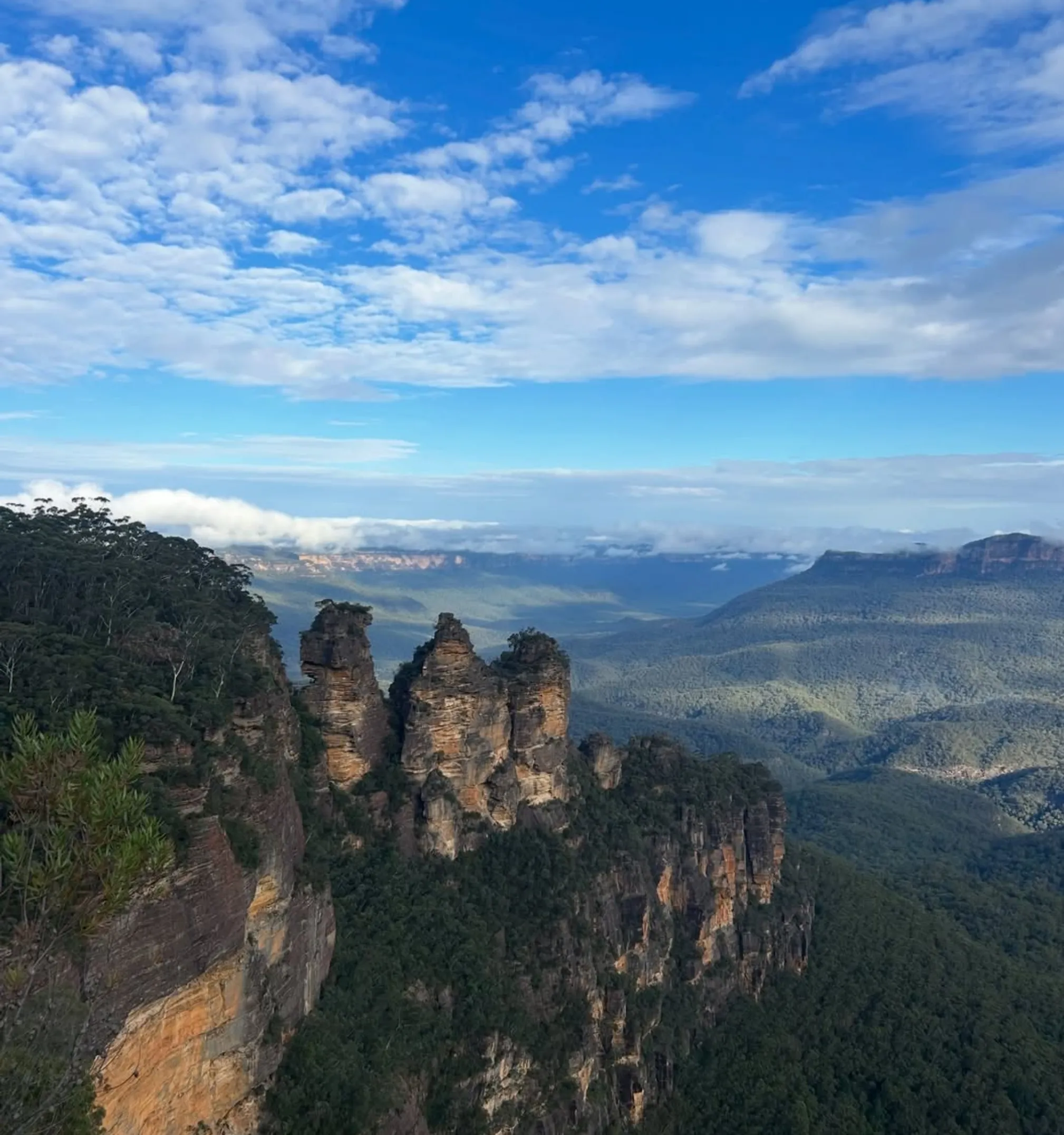
One Mistake Carries Serious Consequences
Let’s put things into perspective:
- You’d be amazed at how much a helicopter rescue can cost – tens of thousands of dollars.
- If a track like Perry’s Lookdown or the Amphitheatre Track closes, it’s a major pain.
- And for the rescue crew – they’re the ones who face real danger.
It’s a waste of time and resources until you have a pattern of near misses or incidents that force changes.
Protecting Fragile Terrain And Unique Ecosystems
It’s really easy to focus on safety, but we also need to be mindful of the land.
The Impact Of Foot Traffic
Take a walk around the Prince Henry Cliff Walk or near Govetts Leap, and you’ll see what I mean – the trails have widened, the vegetation is thinning out, and the soil is breaking down near the edges.
All it takes is a shortcut to start to damage the landscape. And multiply that by thousands of visitors, and before you know it, you’ve got long-term environmental damage on your hands. Barriers help guide people and reduce that sort of erosion.
This Is A Landscape Like No Other
The Blue Mountains are part of a World Heritage region tied to ancient Gondwana Rainforest systems. The Grose Wilderness and the Grose River Valley aren’t just pretty views – they’re ecologically significant as well.
Cliff-edge plants grow damned slowly and take a long time to recover from damage – one careless step can wipe out all the work done over years. So we need to protect these areas – it’s not just a matter of keeping people safe – it’s about keeping the place intact for good.
Cliff-edge plants grow damned slowly and take a long time to recover from damage – one careless step can wipe out all the work done over years. So we need to protect these areas – it’s not just a matter of keeping people safe – it’s about keeping the place intact for good.
Where You'll Notice Changes First
Not every lookout is alike – the approach depends on how busy the area is and how much of a risk it poses.
Busy Tourist Zones See The Most Intervention
Expect to see a lot of infrastructure at:
- Echo Point (Three Sisters) – you can’t move for people here
- Scenic World and the surrounding precinct
- Wentworth Falls – it’s always a popular spot
- Govetts Leap and Evans Lookout – I’m surprised they don’t have more barriers here, to be honest
These areas are a cocktail of high traffic, easy access and steep drops – no surprises.
Quieter Areas Still Offer A Wilder Feel
If you head out to Lockleys Pylon, Bald Head, or Inspiration Point, you’ll be able to find a more peaceful experience – for now, at least.
And if you’re travelling with an operator like Blue Mountains Tour, they’ll often take a route that’s safer and quieter and still gives you that cracking view without all the chaos.
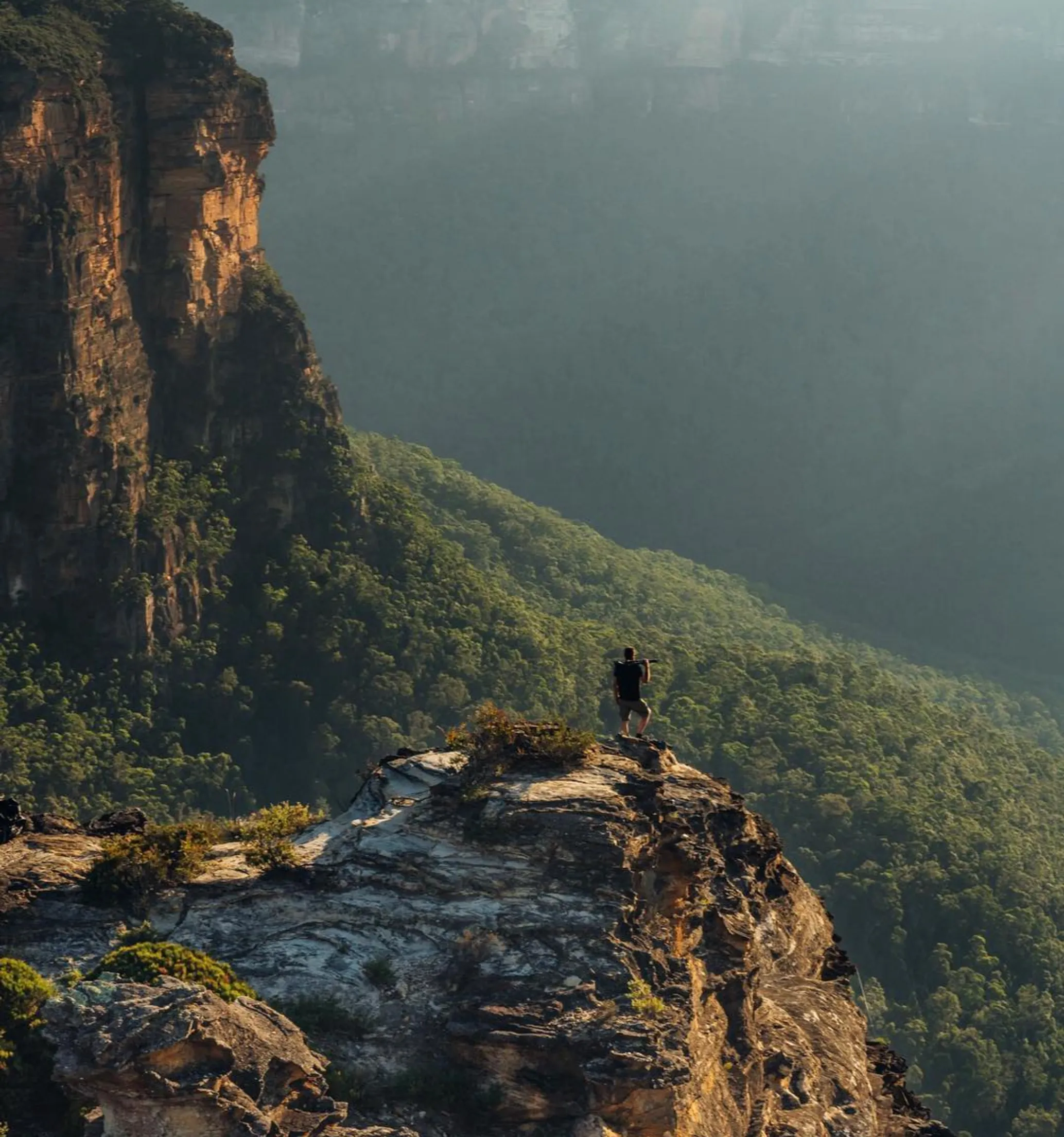
What's Driving These Decisions On The Ground
Here’s a clear snapshot of the forces at play:
| Factor | What’s Happening | Impact |
| Visitor growth | Millions annually across Greater Sydney | Higher exposure to risk |
| Natural erosion | Active along Jamison Valley & Grose Valley | Unpredictable terrain |
| Behaviour trends | Social media-driven risk-taking | Increased incidents |
| Rescue demand | Ongoing emergency responses | Resource strain |
| Environmental wear | Off-track movement | Long-term damage |
These trends have been building for years.
How To Enjoy The Region Without Pushing Your Luck
The truth is, fences might spoil your view – or they might just be a sign that poor choices have ruined the experience for others.
Practical Tips From The Track
- Stay on marked trails near places like Furber Steps or Narrow Neck
- Go early to beat crowds at Echo Point and Scenic World
- Use established platforms like Govetts Leap or Evans Lookout
- Follow signage, even if it feels overcautious
- Keep kids close — cliffs demand parental responsibility
When you’re on a Sydney Blue Mountains tours with a guide, you’ll see that they stick to the safe zones for a reason.
How The Landscape Is Managed Across Different Zones
Think of the place as layered rather than a uniform experience that’s the same everywhere.
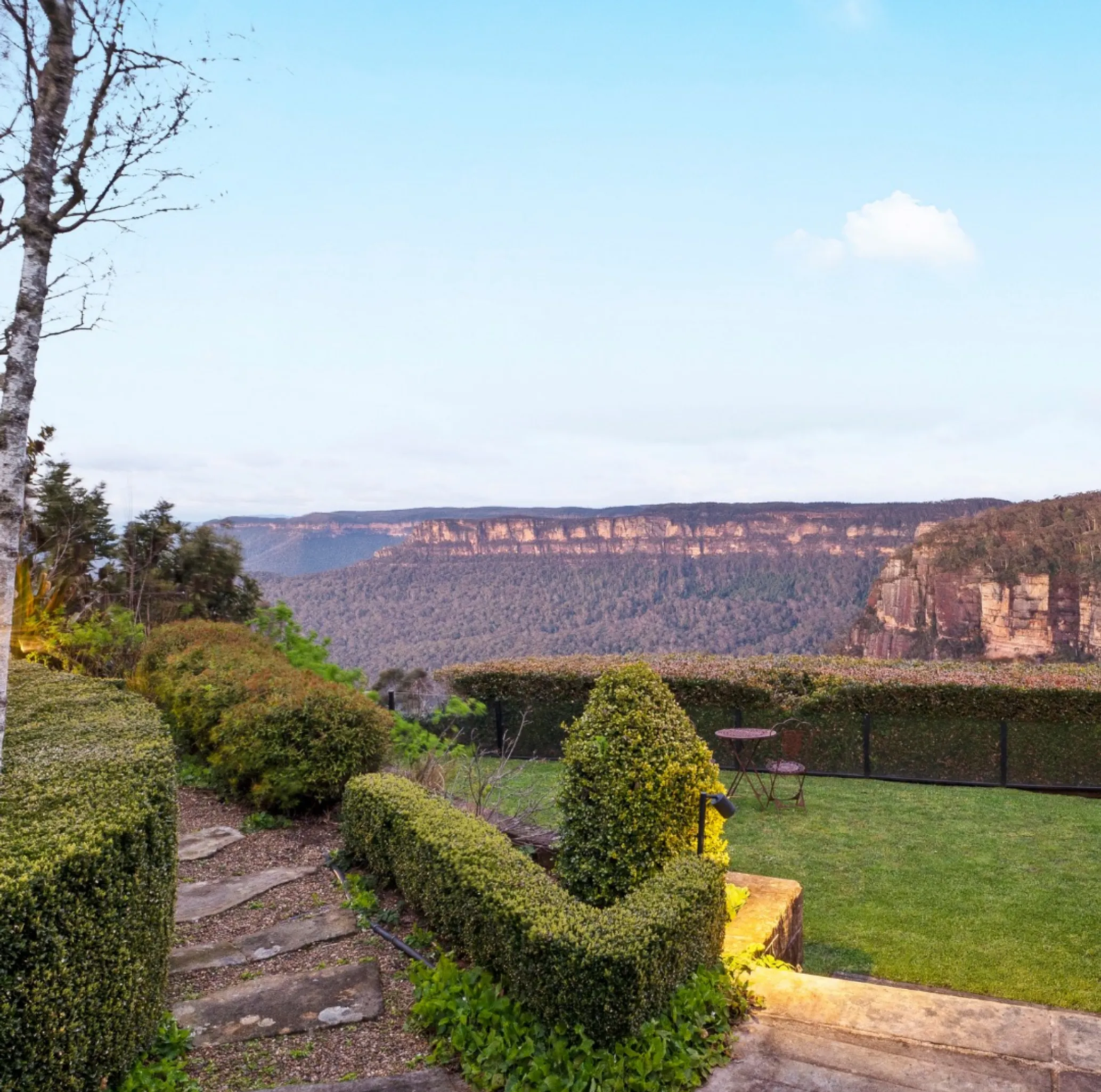
The tourist hubs like Katoomba and Leura are pretty tightly run, with fencing, pathways and all the facilities like temporary toilets. Head a bit further out to Blackheath or Wentworth Falls, and you’ll find the rules are a bit more relaxed. And if you’re venturing into the real wilderness, places like the Grose Wilderness or Narrow Neck Plateau, then you’re largely on your own – fewer barriers, but a heck of a lot more responsibility on your shoulders.
What Travellers Should Expect In The Years Ahead
Here’s the real story: more barriers are on the way.
As more and more people start visiting, and the infrastructure in the area gets better – think improved traffic management and easier access to popular spots – the authorities are going to keep clamping down on safety and conservation.
Final Word From Paul
I used to think that some of these barriers were a bit over the top, to be honest. But then I saw a cliff edge near Katoomba Falls give way not long after I’d walked along it, and that rather makes you think twice about what you’re doing, doesn’t it?
The Blue Mountains – from the Jamison Valley to the Grose River Valley – are just about as beautiful as you can get, but you can’t push your luck too far – the landscape doesn’t forgive mistakes.
So next time your eye lands on a barrier, don’t see it as some limit on your trip – see it as a sign of local knowledge that’s been built the hard way.
Because what the authorities are trying to do is get you home in one piece, with a story that’s worth telling.
FAQ
Do the barriers actually reduce accidents?
Absolutely – they create clear boundaries and remind people to behave sensibly in high-exposure areas.
Why are the popular photo spots so tightly controlled now?
Because they got overrun and people were getting into all sorts of trouble, especially at places like Lincoln’s Rock.
Will the quieter tracks stay untouched?
For now, yes – but we’re starting to see a change as more and more people start visiting.
Can you still get great photos without going past the barriers?
You sure can – and in fact, the best vantage points are usually right from the official lookouts anyway.
Who looks after the safety measures across the region?
The National Parks and Wildlife Service are in charge of making the tough decisions – it’s all about balancing risk, usage and environmental impact.
Related Tours
- Departs / Arrives
- 11:45-21:45
- Starts / Finishes
- Melbourne
- Duration
- 1 day
- Style
- Original
- 135 AUD
- 129 AUD
- Departs / Arrives
- 08:20-20:30
- Starts / Finishes
- Melbourne
- Duration
- 1 day
- Style
- Comfort
- 160 AUD
- Departs / Arrives
- 11:30-19:00
- Starts / Finishes
- Melbourne
- Duration
- 1 day
- Style
- Original
- 295 AUD
- 275 AUD
Related Articles