How To Join Reef Art Projects & Festivals In The Whitsundays (Without Feeling Like A Tourist)
How to get in on reef-themed art projects or cultural festivals – like that Great Barrier Reef Festival in Airlie Beach – while you’re in the Whitsundays? The key is to time your trip right around the Reef Festival, get there early, and actually get stuck in – into the workshops, the conservation sessions, and the community builds – not just observing from the sidelines. You don’t need to have any special skills, just a willingness to have a go and be in the right place at the right time.
I’ve done this a few times around the Whitsunday region, and what most people miss is that their focus is on the Reef tours – and then they only twig it’s the real connection with the reef that happens on dry land. The reef isn’t just something you snorkel past – it’s also something the locals have a connection with; people interpret, protect and tell stories about it through art, storytelling and events. That’s where the real action is.
Table of Contents
Reef Culture In Airlie Beach
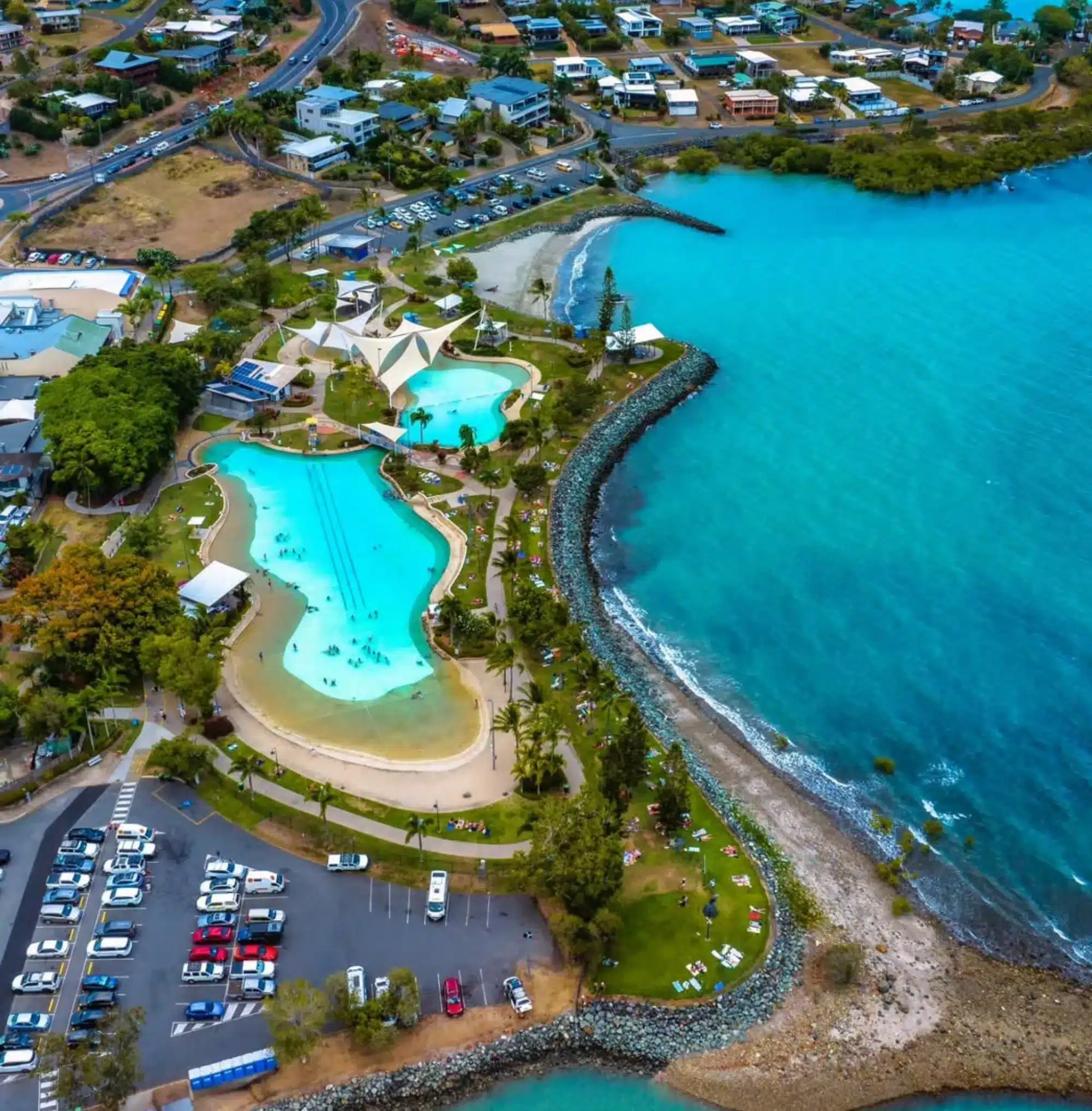
When the festival season takes off, Airlie Beach really turns into a happening place – with reef life expression popping up all over the place, from the Coral Sea Marina right through to Hansen Park and along Shute Harbour Road. The layout is compact & walkable, and there’s definitely a buzz in the air, but it’s not some overly polished tourist trap. And that’s part of its charm.
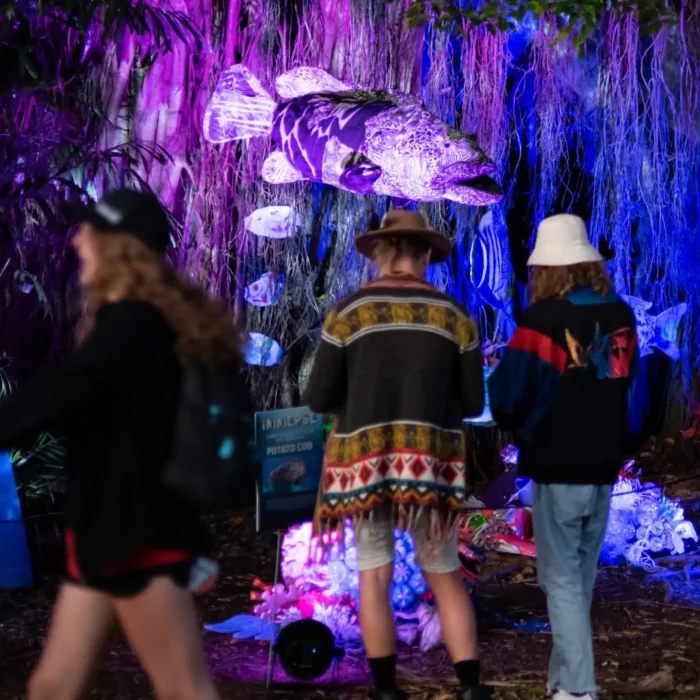
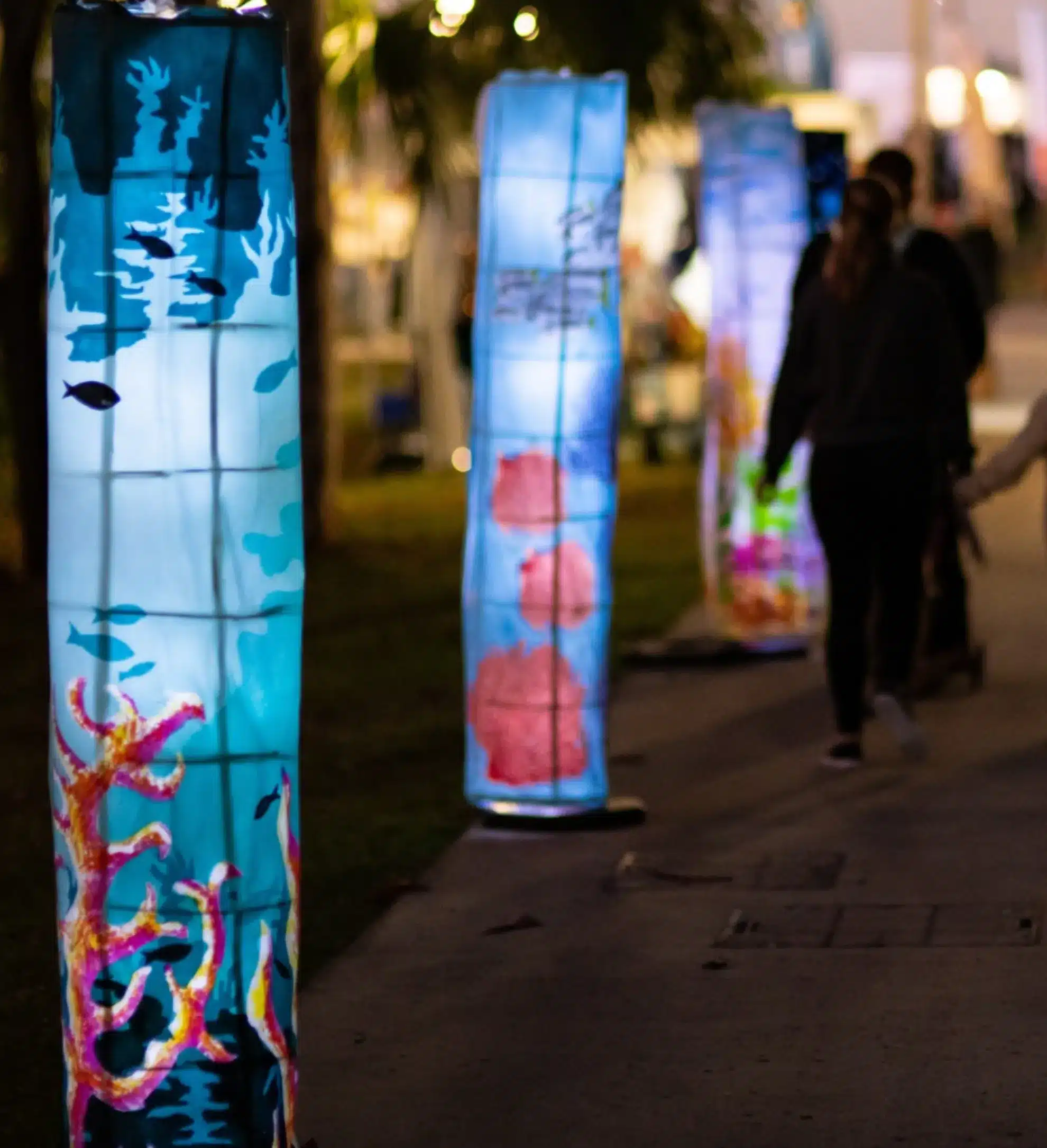
You’ll be flitting between locations with no great need to plan, but it does pay to have some idea of where things are. Coral Sea Marina & the Coral Sea Marina Resort host a lot of those workshops & installations – Immerse being a highlight. Hansen Park is where you’ll find the Family Fun Day – more relaxed & low-key, and a great spot to find your feet. And then there’s Shute Harbour Road, which is the main drag during the bigger dos like the Lantern Parade.
I reckon the first time I went, I really messed things up. Thought I’d just wander into the Lantern Parade – turned up late and got stuck behind a food stall with a partial view & some bloke arguing about whether he wanted a Mexican or a fish taco with his meal. You want to get there early so as not to get held up or forced to watch from over someone’s shoulder.
Getting To Airlie Beach Efficiently
Getting to Airlie Beach is pretty straightforward – you fly into Whitsunday Coast Airport near Proserpine, then grab a shuttle – about 40 minutes in traffic, usually costs around $20-$25 AUD. If you are driving, be prepared for some serious parking pressure on the festival days, especially around Coral Sea Marina & the main strip.
Once you’re in town, walking is really your best bet. The Bicentennial Walkway connects all the main spots, such as the marina, the beach centre & Cannonvale. It’s easy to follow & flat, but don’t underestimate the heat even in the dry season – after 20 minutes in the sun you’ll feel it. A hat, some decent footwear and a bottle of water should be essentials.
Later on at night, getting around is a bit of a challenge – taxis are thin on the ground, and the rideshare apps don’t usually run that late. If you can avoid having to get a taxi or a rideshare, stick to walking it in – it’ll save you a headache.
Where You Can Jump In and Actually Have a Ball
This is where you go from being just a bystander to actually being part of the action. Most events are wide open – they just need you to take the initiative and not wait for an invitation.
Across the festival, you’ll find these super interactive workshops run by local artists who just happen to be passionate about reef conservation and getting the word out. Some sessions focus on interpreting reef life in all its abstract glory, while others focus on creating realistic portraits using reclaimed materials. You might be getting your hands dirty working with some basic sculpting tools or painting alongside creatives who’ve been part of the community for ages.
I stumbled into one of the sessions that was all about the artwork from Beyond Beauty and Glenda Hobdell – I was only planning on sticking around for 20 minutes, but ended up staying for most of the afternoon. That just about sums up the vibe of these events – you show up with no particular plan, and before you know it, you’re fully invested.
There are also some really engaging sessions that focus on reef education – these are usually run by an expert Master Reef Guide or some marine scientist from a research institute. These aren’t like boring lectures either – they’re hands-on and connected to real coral restoration projects happening all around the Great Barrier Reef.
What Most Travellers Get Wrong
This is where your experience and common sense save the day – and save you a whole lotta hassle and stress. So the biggest mistake that people make? Thinking you can just turn up whenever you feel like it and expect to get the most out of the festival.
People assume they can just turn up at some point, drift by, and somehow magically get the full experience. Doesn’t work that way. Workshops get snapped up, the best viewing spots get taken, and by the time the evening events kick off, if you’ve just been out on that all-day Great Barrier Reef Tour, you’ll be wrecked.
Another pretty common mistake is trying to cram too much in – I’ve seen travellers book themselves solid with reef experiences – a diving trip one day, a guided tour the next – and then end up missing out on all the cool stuff happening onshore. To be honest, you really don’t need that many reef trips. One or two quality Great Barrier Reef tours are plenty. Most of your time is better spent digging into the cultural side of things.
Heat’s another thing that catches people out – even in the dry season, standing around Hansen Park for the Family Fun Day can get pretty rough by midday. So yeah, hydration and pacing are way more important than people think.
Expectation Vs Reality — What It’s Actually Like
| Expectation | Reality |
|---|---|
| You can casually drop into events anytime | Popular sessions fill early — arrive at least 30–45 minutes ahead |
| Everything is clearly organised and signposted | Some events rely on word-of-mouth or local boards |
| You’ll have heaps of energy after reef tours | Full-day trips drain you — plan lighter afternoons |
| It’s all free and effortless | Some workshops charge small fees and require booking |
Realistic Reef & Festival Day
Alright, let’s get realistic here – a day doesn’t exactly go as planned. Things don’t always line up and that’s the best part.
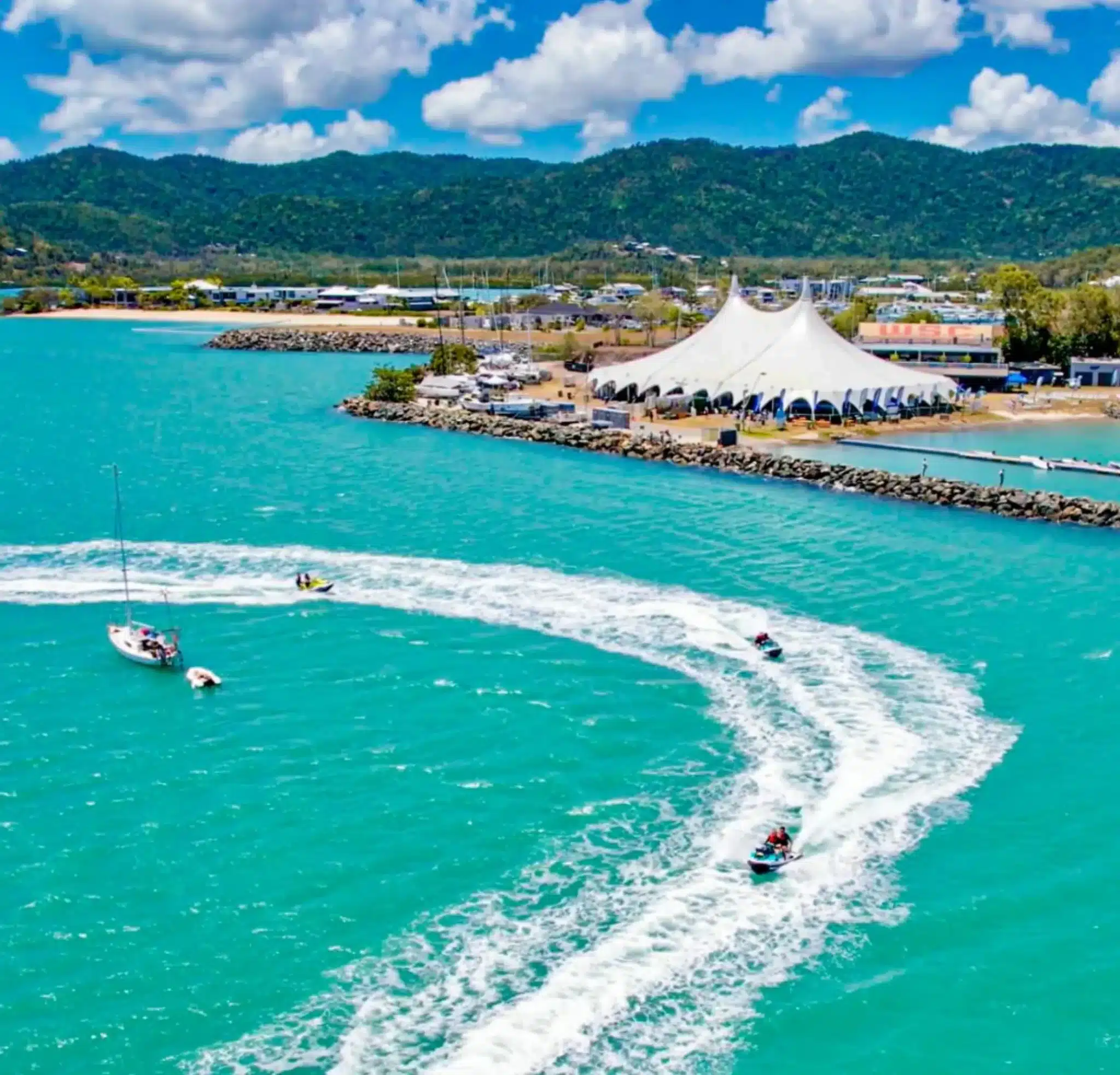
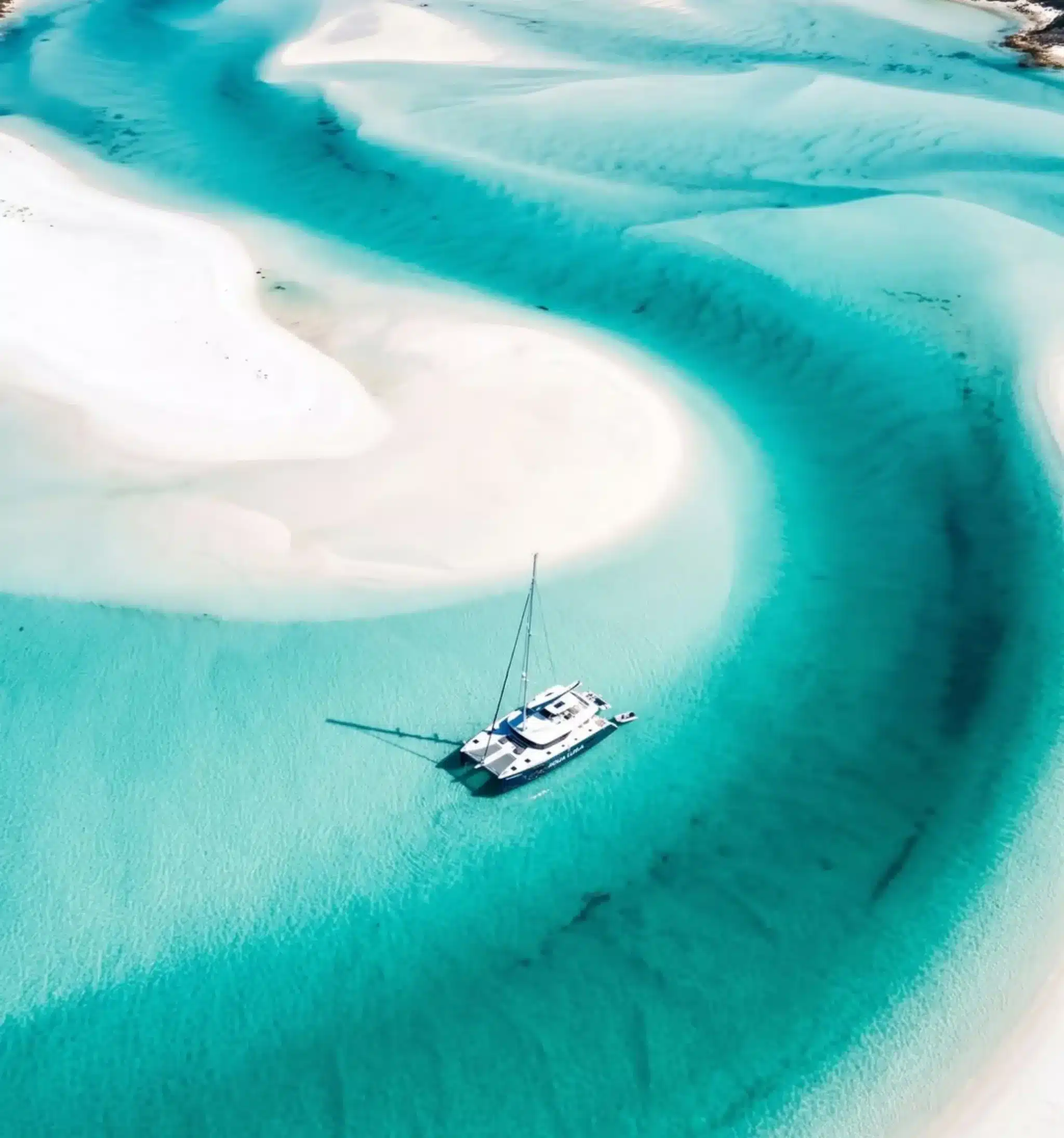
Your day usually starts early, especially if you’re heading out on the water. Boats chug out of Coral Sea Marina, and you can catch a ride with the likes of Ocean Rafting or Cruise Whitsundays to get to Whitehaven Beach or cruise around in the Coral Sea. Expect a 7:30 am start and to be back around early afternoon. By that point, you’re likely going to be feeling pretty knackered, salty and sun-tired.
So I always recommend keeping the afternoon pretty flexible. Why not pop in to the art comp display or check out an Immerse art installation? Get some grub at Fish D’vine – that place is reliable – and ease your way into the day winding down.
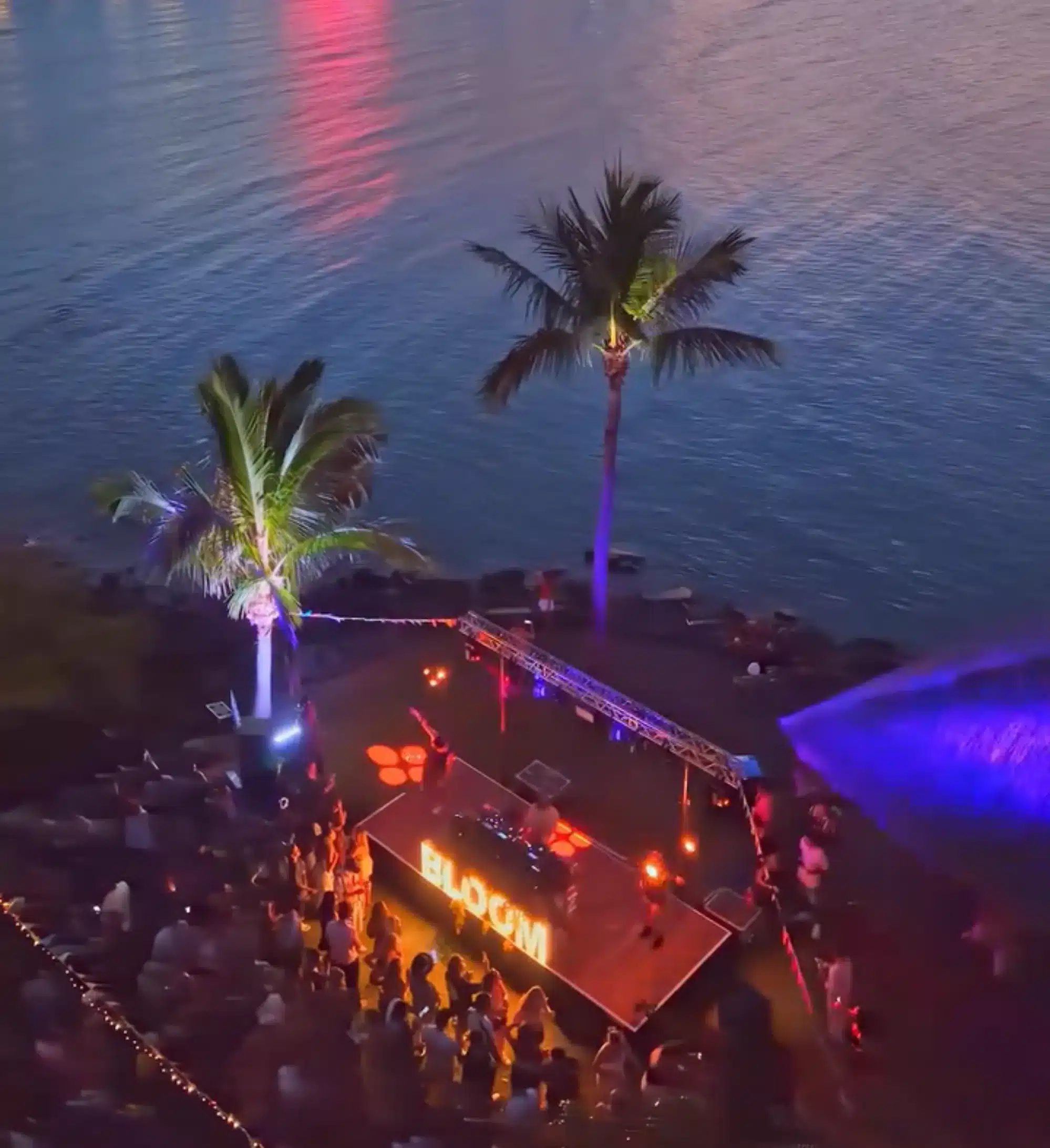
Come sunset, things really start to kick off. Live music, street events and the Lantern Parade come out to play in Shute Harbour Road. If you’ve paced yourself, you’ll be in for a real treat, but if you haven’t, then you’ll likely be scrambling for a seat and questioning whether booking that second reef trip was such a good idea.
Costs & Real Spending
As for costs, they’re not too bad, but they can add up if you’re not careful. Workshops usually run anywhere from free to about $50 AUD. Most festival events are free, though a few ticketed performances may be in the $20 to $40 range.
Eating out in Airlie Beach is about $15 to $35 per meal, depending on where you choose to go. And as for reef tours, bookings with places like Cruise Whitsundays, Ocean Rafting, or Whitsunday Escape usually range from $150 to $300 AUD.
Timing is more about the conditions than the clock. Walking between venues can be as little as 15 minutes, but in this heat, it can feel like an eternity. And often events don’t kick off right on time either – a bit of flexibility helps.
Time-Based Travel Scenarios
If you only have a day, then don’t even think about trying to cram everything in. Ditch the full-day reef trip and go for a half-day option or a shorter guided tour. That should give you enough energy to actually join in on the afternoon and evening fun.
If I had to pick just one event to prioritise, I’d go for the Recyclable Regatta at Coral Sea Marina. It’s a real showstopper – it’s all about eco-friendly vessel design, community engagement and a bit of chaos. You get to see teams build these bonkers floating contraptions from recycled junk, which is all about waste management and recycling programs. It’s a real hoot, and it really gets the message of reef conservation across.
This experience is perfect for people who want to get involved and learn a bit more than just look at some scenery. If you enjoy talking to people, getting stuck in and learning from the experience, then this is the place for you. But if you prefer things to be super scheduled and super predictable, then it might feel a bit loose.
Seasonality - What to Expect
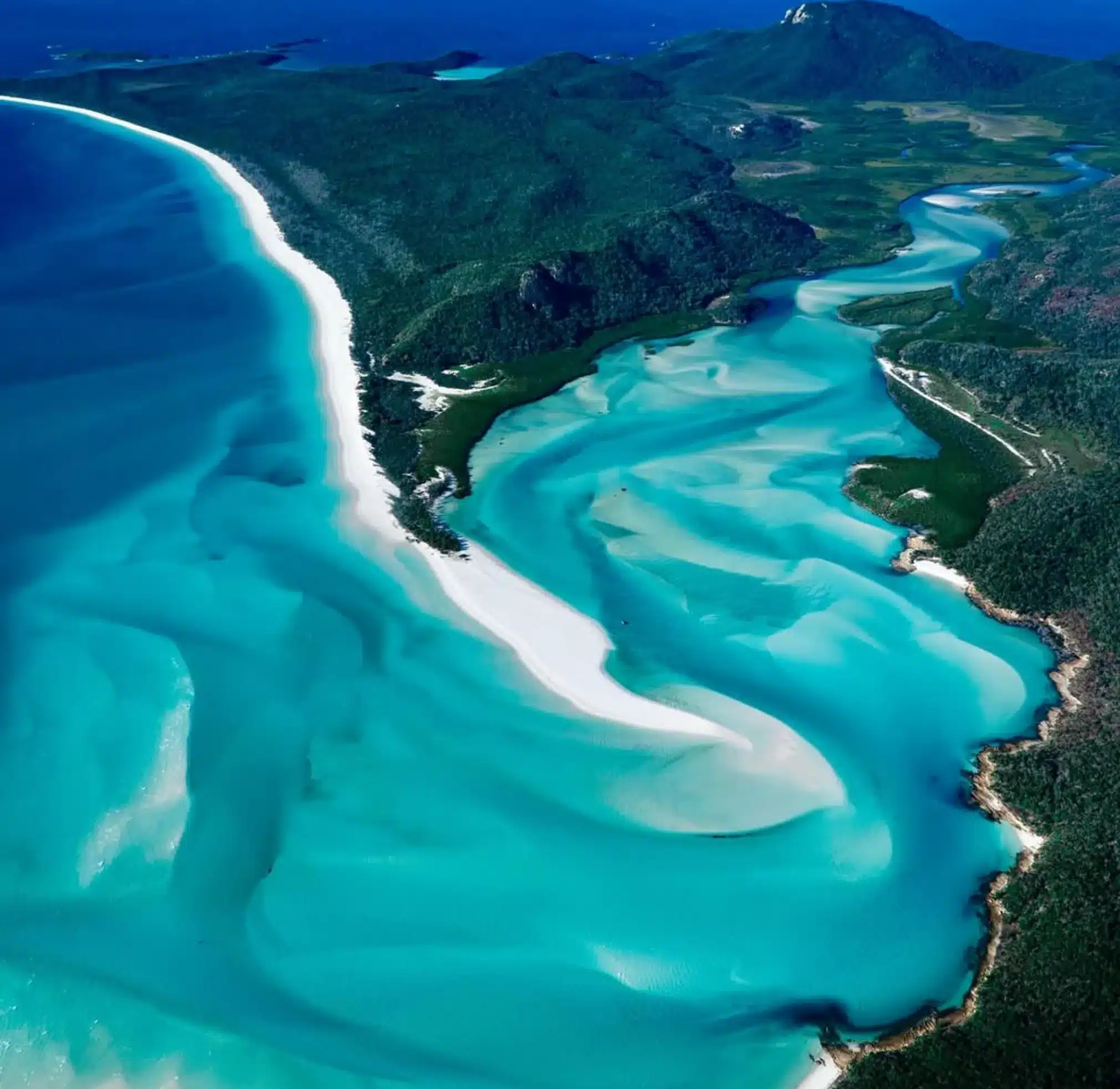
The dry season, which runs from June to August, is by far the best time to visit. The weather is stable, humidity levels are lower, and the Reef Festival is in full swing. Yes, you’ll still get some warm days, but they’re manageable.
By September and October, things start to wind down a bit. There are fewer crowds, a few fewer events, but the weather is still pretty good. If you’re after a toned-down version of the experience, it’s worth considering.
Wet season, from November through to April, is a different story altogether. You’re going to get stuck with heat, humidity and the possibility of storms or cyclones. Events will either be restricted or moved indoors, and if festival participation is at the top of your list, now’s not the time to be visiting.
Safety and Practical Considerations
Most of the time, you’ll be safe enough, but there are a few things worth taking note of. Sun exposure is the biggest one – it’s easy to get caught out by just how strong it is, even when it doesn’t feel like it’s being particularly extreme. Drinking plenty of water is essential, especially if you’re off exploring the place on foot.
Crowds during peak events can get pretty tight, especially on Shute Harbour Road. Just keep an eye on your belongings and be patient – it’ll all get through eventually.
It’s also worth keeping in mind that fatigue is a real risk. Combining diving tours with late nights is a sure-fire way to burn yourself out. Make sure to leave some downtime in the schedule, even if all you can manage is an hour hiding in the shade.
Final Takeaway - Don't Ghost The Reef Festival
If you’re heading to the Whitsundays and you want to get stuck into some reef-themed festivals and art, the key is to plan around the Reef Festival. Just leave some space in your itinerary for spontaneous adventures and stepping into the local vibe, rather than just observing from a distance.
Take part in a workshop, have a chinwag with a Master Reef Guide or just go and watch the Lantern Parade like a normal person. And who knows, maybe even build something totally useless for the Recyclable Regatta – that’s the stuff trips are made of.
If you need some help tying together Great Barrier Reef tours with all these local experiences, the Get Lost Travel Group are your people. We specialise in blending reef experiences with a genuine cultural connection.
FAQ
Can I join in on workshops if I don't have much experience?
To be honest, yeah – most of the workshops are designed with beginners in mind, and they’re all about having a go rather than trying to be perfect.
Is just one reef trip enough for me?
For most people, one or two really good Great Barrier Reef trips is all you need – and you can use the rest of your time exploring the mainland.
Do I need to book in advance for festival events?
Some of them definitely require booking – especially the workshops – but others are first-in, first-served, so if you see something you like, grab a spot before they fill up.
Is this place family-friendly?
Absolutely – we get that not everyone’s a lone traveller; there are plenty of events geared up for families, like the big Family Fun Day at Hansen Park.
What's the one mistake most people make?
Hands down, it’s overbooking themselves – leave some space in your schedule to actually relax and enjoy the experience, because that’s where the real value is.
Related Tours
- Departs / Arrives
- 11:45-21:45
- Starts / Finishes
- Melbourne
- Duration
- 1 day
- Style
- Original
- 135 AUD
- 129 AUD

- Departs / Arrives
- 11:30-19:00
- Starts / Finishes
- Melbourne
- Duration
- 1 day
- Style
- Original
- 295 AUD
- 275 AUD
- Departs / Arrives
- 08:20-20:30
- Starts / Finishes
- Melbourne
- Duration
- 1 day
- Style
- Comfort
- 160 AUD