Are there any 4WD tours that go to the “secret” side of Uluru (Ayers Rock)?
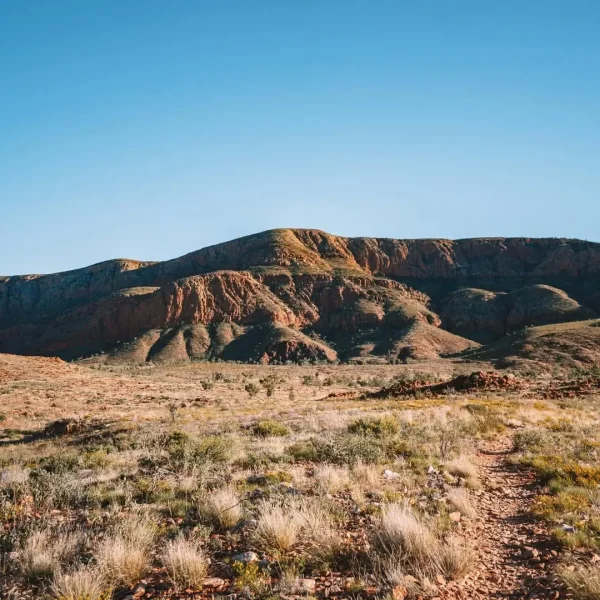
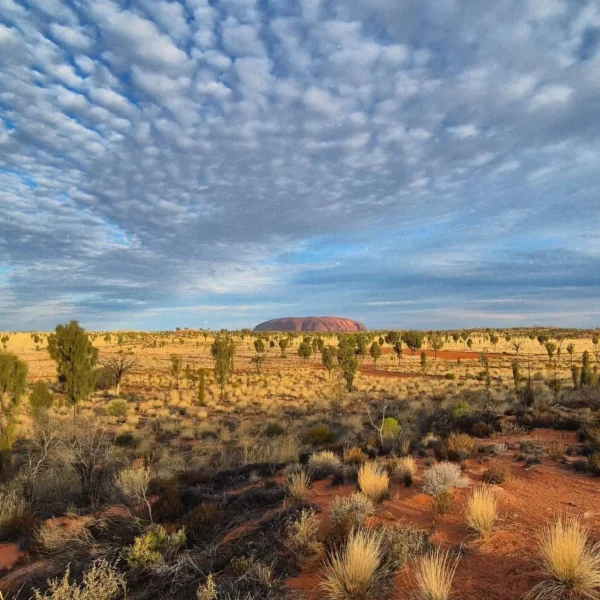
Yes – there are specialist 4WD experiences that get you to the quieter, less visited bits around Uluru, but you won’t find any secret side that’s locked behind gates or sacred caves. The truth is a lot more interesting than that. What you can do is join a small group with a licensed operator in the remote desert country near Uluru-Kata Tjuta National Park. These 4WD adventures will take you to station tracks, Aboriginal-guided landscapes, dune lookouts and all sorts of out-of-the-way viewing spots that most travellers never get to see.
Thats what people are usually looking for when they Google things like “secret Uluru tours” or “hidden side 4WD trips“. The catch? You can’t just head out there on your own without local knowledge, the right permits, a reliable recovery vehicle, and a healthy respect for cultural boundaries. Me, Paul – years of running bush trips in the Red Centre have shown me that nearly all travellers seriously underestimate how quickly central Australia can knock you back down to size. One missed fuel stop or one wrong turn after rain, and what was meant to be the adventure of a lifetime can quickly turn into a very expensive phone call to the satellite guys.
The better operators – and there are some good ones, like Uluru Ayers Rock Tours and other established Red Centre companies – focus more on genuine Outback exploration, with deep respect for local culture built right into the experience. That is the difference between going on a proper tour and simply trying to get some dodgy photo for social media.
Table of Contents
What Travellers Get Really Wrong About Uluru Touring
People think that touring in the remote desert is all about smooth dirt roads and dramatic sunsets every twenty minutes. I’ve got news for you – most of the day is a different story altogether. The corrugations on some of the roads are so bad they’ll shake your teeth loose, the distances between the loo stops are really long, and the temperature can go from freezing in the mornings to blistering heat in the afternoons all in one day.
The biggest shock for first-timers is the sheer scale of the place. Just look at a map, and it looks like everything is close together – but I can tell you its not.
Distances Catch You Out Quicker Than You Think
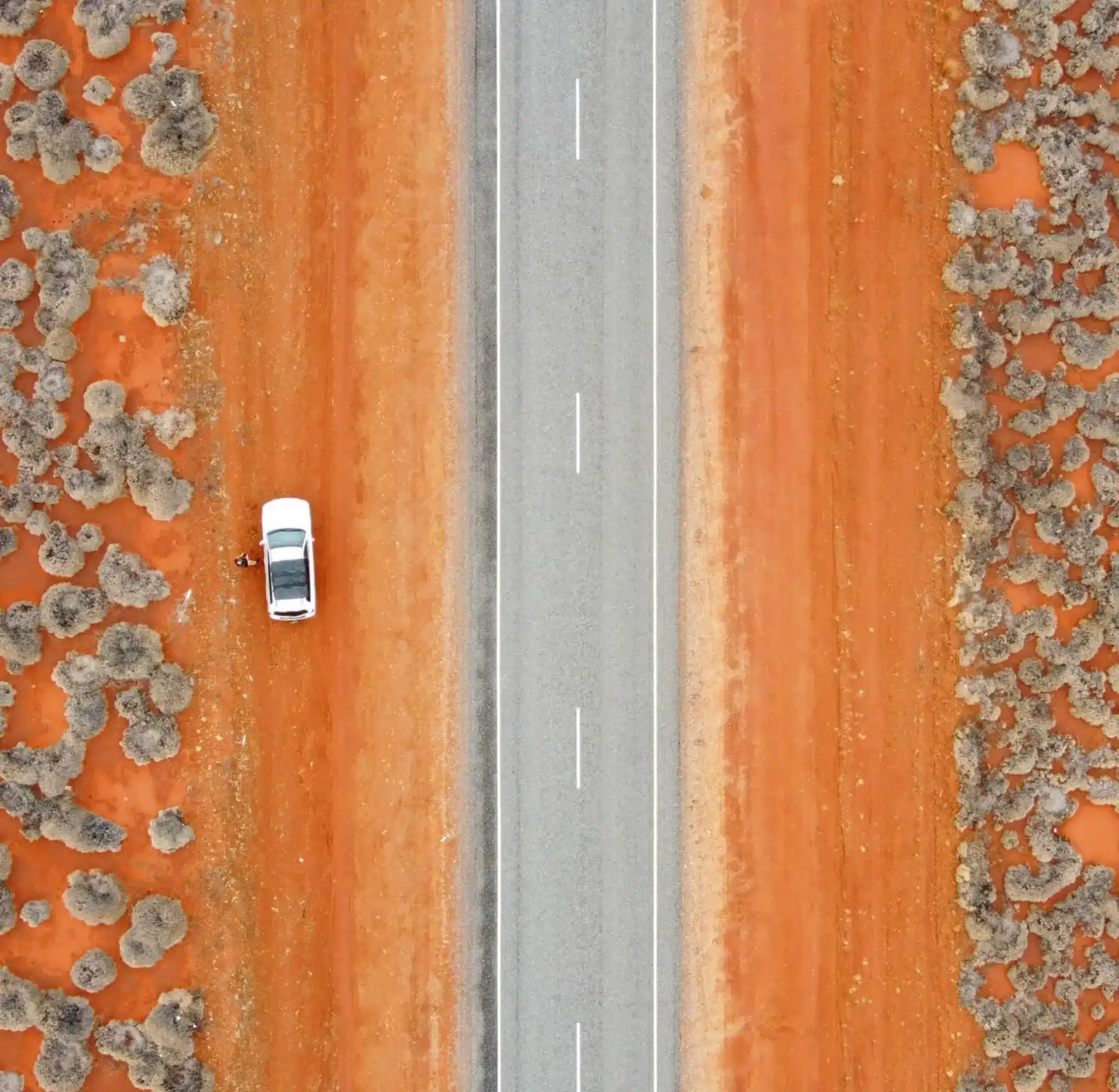
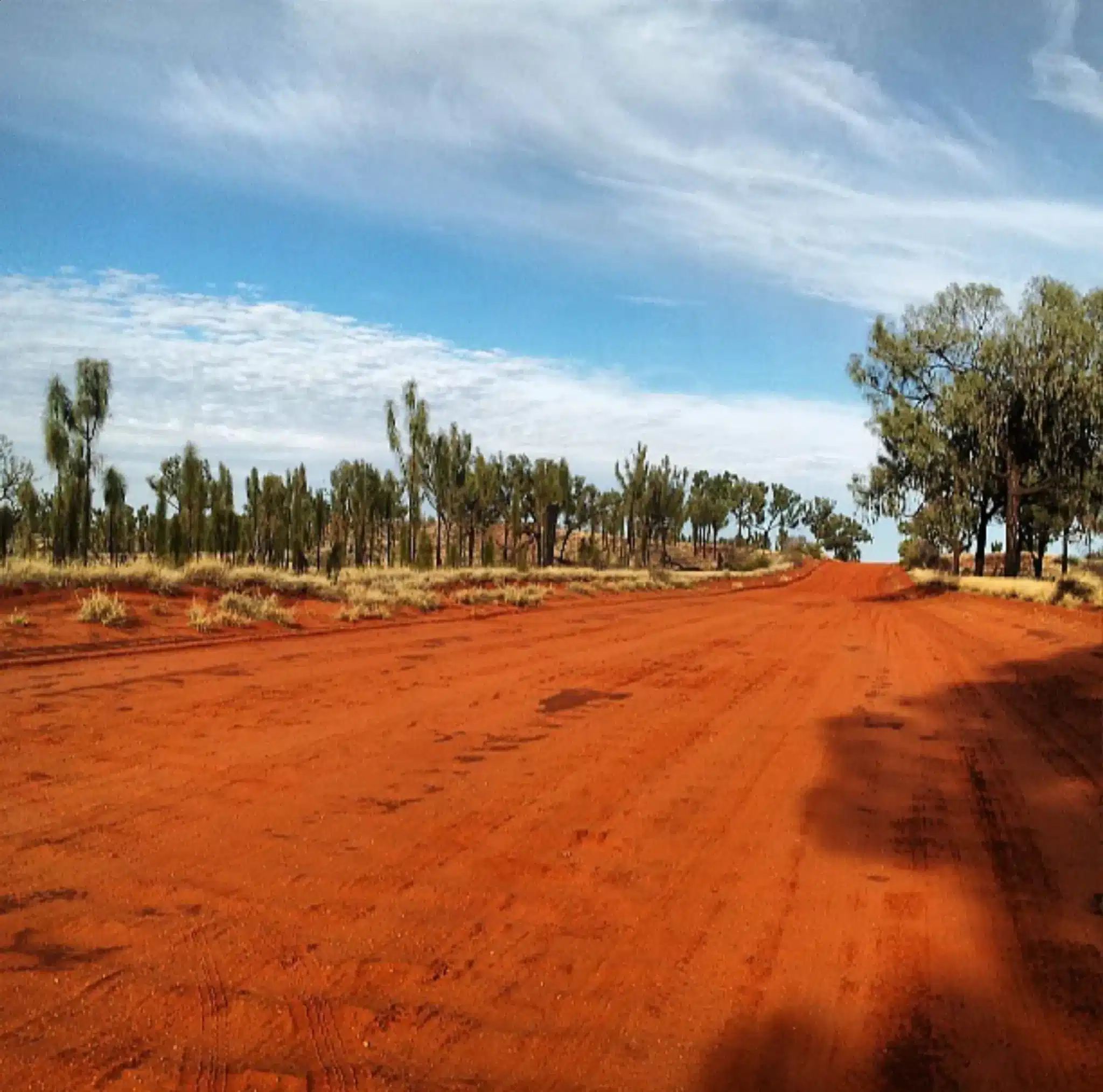
Driving from Alice Springs to Uluru – thats a 4.5 to 5.5 hour trip if the roads are in good nick and you’re making good time on the Stuart Highway and Lasseter Highway. But throw in roadworks, a few fuel stops, some wildlife delays at dusk or having to tow your camper behind you, and you can double that time in no time.
A lot of travellers also assume they can cram in:
- getting to Kata Tjuta for sunset
- doing the base walk
- visiting the Field of Lights
- checking out Kings Canyon
- and some bush camping
No bloody chance unless you want to spend the whole time driving with the windscreen down and eating servo pies for breakfast, lunch, and dinner.
When I used to guide my mates through the place years ago, one of them thought we’d “just pop over to Kings Canyon after lunch”. By sunset, he looked like he’d been through a war. The Red Centre looks like an empty, barren landscape, but driving fatigue is no joke out there.
Expectation Vs Reality Around "Secret" Access
| Expectation | Reality |
| Hidden tracks behind Uluru | Most restricted areas remain closed permanently |
| Nobody else around | You may still encounter other small groups |
| Easy off-road driving | Deep corrugations, sand, washouts after rain |
| Luxury camping everywhere | Some bush camps are basic as guts |
| Cool desert nights year-round | Summer nights can stay above 30°C |
| Quick sightseeing stops | Distances between sites are much longer than expected |
Lots of the most memorable experiences you’ll have around Uluru actually have nothing to do with the rock itself. The vast deserts and dunes near Kata Tjuta, the rugged remoteness of the Ernest Giles Road region and the endless desert plains out west – all these bits of country tend to leave a way bigger impression on you than the views from the carpark lookouts around the main tourist bits.
Getting to Uluru Without a Big Hiccup
Most visitors end up flying in via either Ayers Rock Airport at Yulara or the bigger airport at Alice Springs. Both options are fine, but they suit different sorts of travellers.
If you’re only in Uluru for a couple of days, then flying in directly is probably easiest. From there, you can get shuttle services to your accommodation and to the tour departures at Yulara. Airport transfers are usually about 15-25 minutes, though they can be a bit longer depending on which accommodation loop they drop you off at first.
Flying into Alice Springs gives you a lot more freedom to explore the Red Centre in a 4WD – and it’s usually cheaper to hire a vehicle if you’re planning a longer trip.
The Real Cost Of Remote Touring
People always seem to be surprised by how bloody expensive it is to go touring in the outback once you factor in everything properly.
Here’s a rough idea of what you might expect to pay for a mid-range multi-day trip – per person.
| Expense | Rough Cost (AUD) |
| Return flights from major cities | $350–$900 |
| 4WD tour package | $450–$1800+ |
| Fuel for self-drive trips | $250–$600 |
| National Park entry | Around $38 adult pass |
| Accommodation in Yulara | $250–$500 per night |
| Bush camping setup | $80–$250 nightly |
| Meals and supplies | $40–$100 daily |
| Travel insurance | $80–$250 depending on cover |
And your answer is: Yes – buy travel insurance. Every year, I hear horror stories about tyre damage, trip cancellations, road closures or flights delayed due to weather conditions and in remote Australia, you don’t get a refund for bad planning

Where The Best 4WD Tours Go
The best tours in Uluru that travellers rave about normally spend less time sitting in crowded tourist traps and more time exploring beyond the sealed roads. Thats when proper 4WD touring starts to make sense
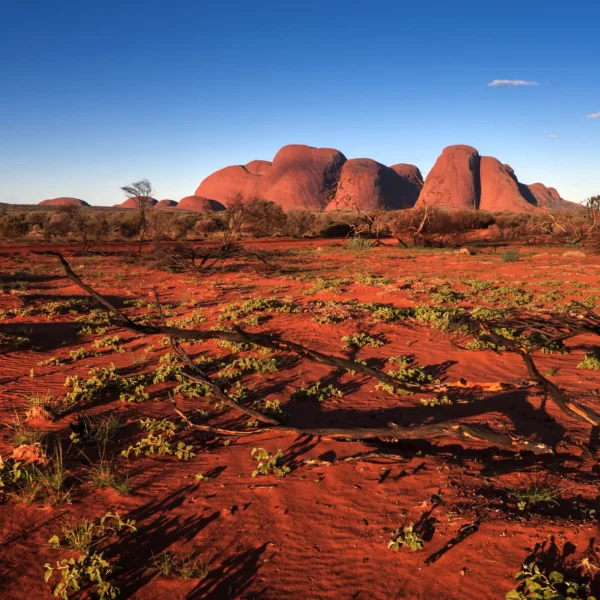
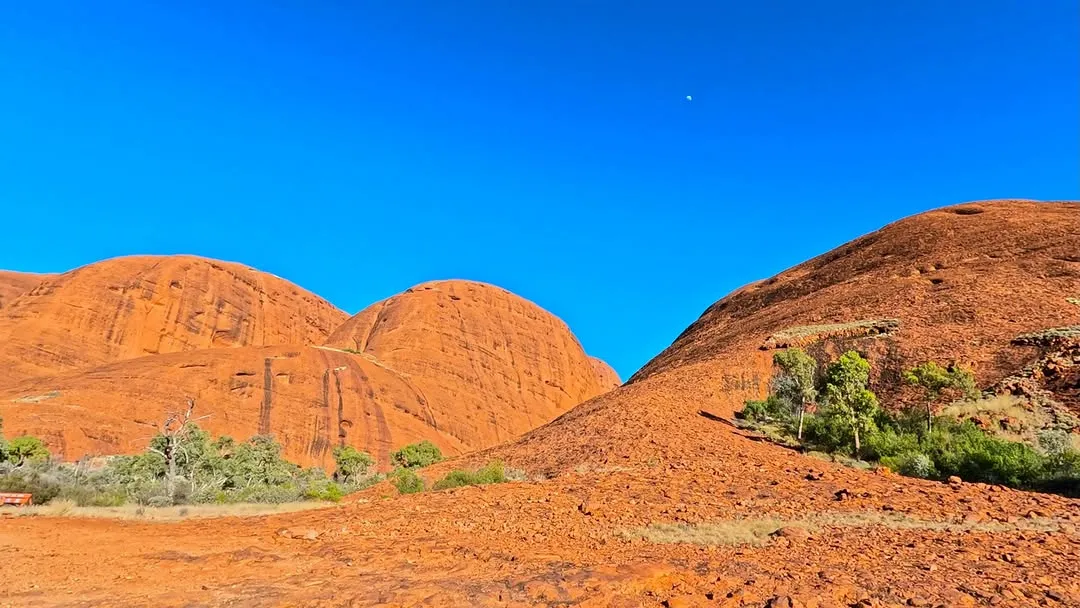
Remote tracks near Kata Tjuta
Some tour operators veer off towards the dunes & pastoral land right next door to the park. These areas offer breathtaking views across the desert & they usually don’t get as many visitors as the main viewing areas.
But the conditions can be really variable.
After the rain has come down, the tracks can shut completely. In the dry winters, they’re normally manageable for experienced drivers with proper tyres, but summer heat, well, it can get pretty brutal out there; even something as simple as a guided walk can be pretty draining by mid-morning.
A mistake I see all the time? Tourists showing up with just a tiny little bottle of water for a half-day tour
You’d have finished that in no time, before your morning tea break.
Why Bush Camping Matters
Some of the more remote itineraries also include Outback bush camping in safari tents, swags or self-contained canvas setups.
Here’s the honest truth: nobody puts this kind of stuff in the brochures
- Dust gets into everything you can think of
- The toilet situation varies all over the shop
- Flies can drive you totally bonkers
- Nights get pretty chilly in the wintertime
- And you can hear every single noise outside your tent
But you also get starry skies without all the traffic noise, sunrise over the spinifex, and campfire chats that beat a hotel buffet any day.
One night out west of Uluru, I saw a bloke spend fifteen minutes trying to get the right side of his swag unzipped in the dark, cursing at the moon. Priceless, we still laugh about it to this day
Why Respect Matters More Than Hidden Spots
Its the bits that actually matter more than any 4WD route.
Uluru is deeply tied to the culture, traditions, and way of life of the local Aboriginal people. Still, some travellers think its just an adventure thing rather than getting what the landscape really means to the people who live there.
The good guides will give you the lowdown on all this.
Why Good Guides Matter
What makes your Uluru desert tour one you’ll remember usually comes from having real conversations with the Anangu people or proper local Indigenous guides.
That might be things like:
- Sitting down with them and learning about how to behave properly in this place
- Hearing about how they use art to tell their stories
- Hearing the stories behind waterholes and those massive rock formations
- Being taught about what plants are safe to eat out there and how to find them
- Finding out the photo restrictions in place
Some parts of the park are completely off-limits to photography because they’re sacred. Kind of obvious, but good operators respect that. There are dodgy travellers out there who think they can sneak in a drone shot, and then you get the park rangers getting stricter, making up new rules because of them.
According to Parks Australia, Parks Australia and the Anangu Traditional Owners work together to manage the Uluru-Kata Tjuta National Park. They’re trying to balance keeping tourists happy with protecting the land and wildlife.
And yes – rangers do actually fine you for breaking the rules on where you can go and what you can do. Throwing a fag butt into the scrub when its super dry is a surefire way to make friends with no one.
Who These Tours Suit Best
Not everyone enjoys the 4WD touring after the initial excitement wears off.
These experiences suit the sorts of people who:
- Can handle long days in the car without getting too grumpy
- Aren’t too fussed about bumpy roads
- Actually like driving through remote deserts
- Can handle the heat and dust
- Value learning about the local culture more than having all mod cons
They’re probably not ideal for travellers used to having a resort on tap the whole time.
I’d be a bit cautious about recommending serious remote touring to people with mobility issues unless the operator specifically caters for accessibility.
If You Only Have One Day at Uluru
If you’re short on time, focus on these essentials:
- Catch the sunrise at Kata Tjuta – it’s breathtaking
- Get a taste of the local culture – do a guided tour
- Find a decent sunset spot that’s not packed with other tourists
Trying to squeeze in Kings Canyon the same day is a recipe for disaster – it gets exhausting pretty fast.
Beyond Uluru: Add These Places to Your Itinerary
If you’ve got any extra days, consider combining Uluru with:
- Kings Canyon – it’s a must-do
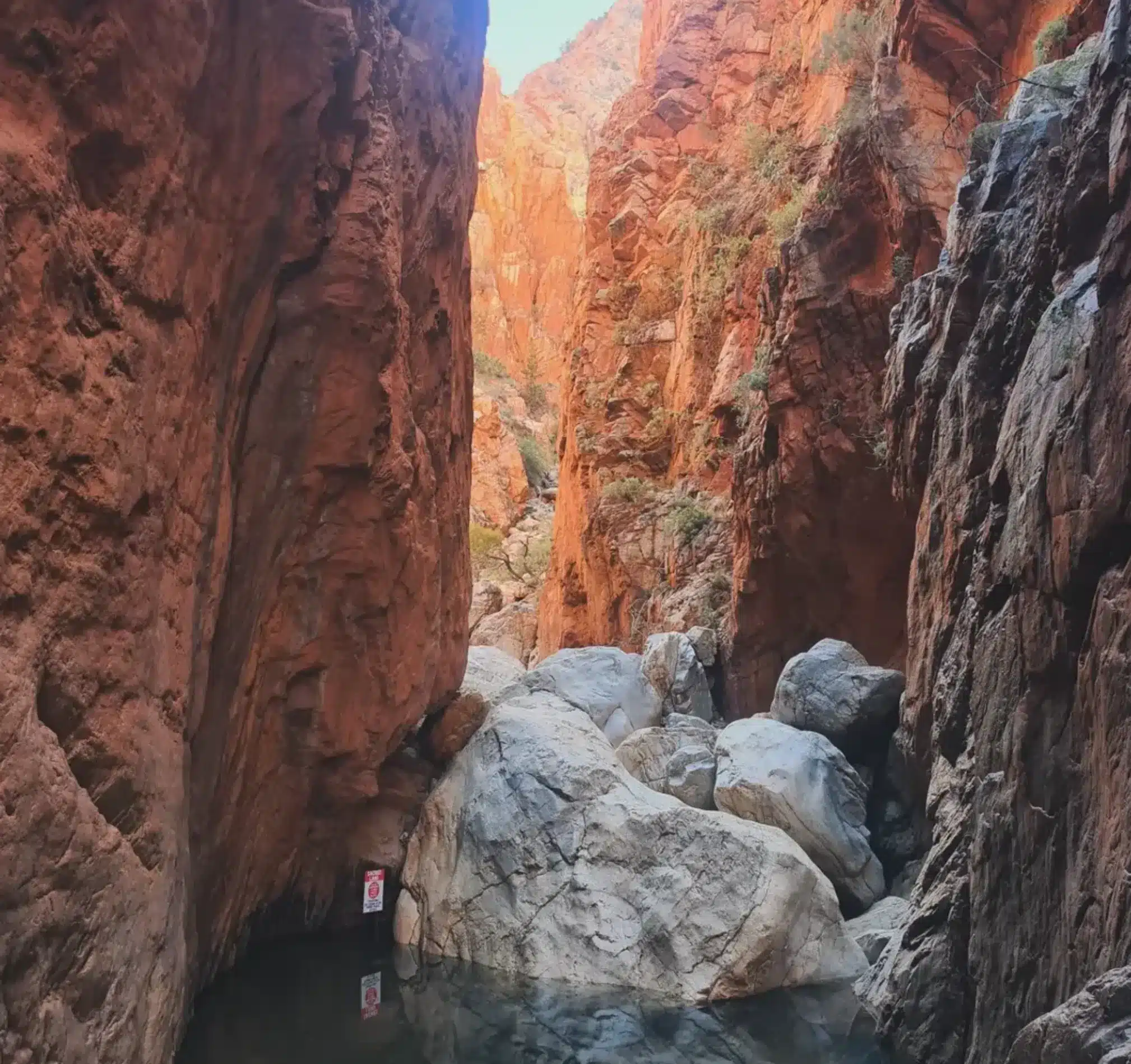
- Stanley Chasm Park – the views are simply stunning
- West MacDonnell Ranges – get a real sense of the Outback
- School of the Air in Alice Springs – it’s a fascinating insight into Australian history
- The Henbury comet impact site – a weird and wonderful natural wonder
These places will give you a genuine taste of the Red Centre, rather than just ticking off the Uluru box.
Don't Get Caught Out By the Weather
Most people just think about temperature when planning a trip to Uluru. But there’s more to it than that.
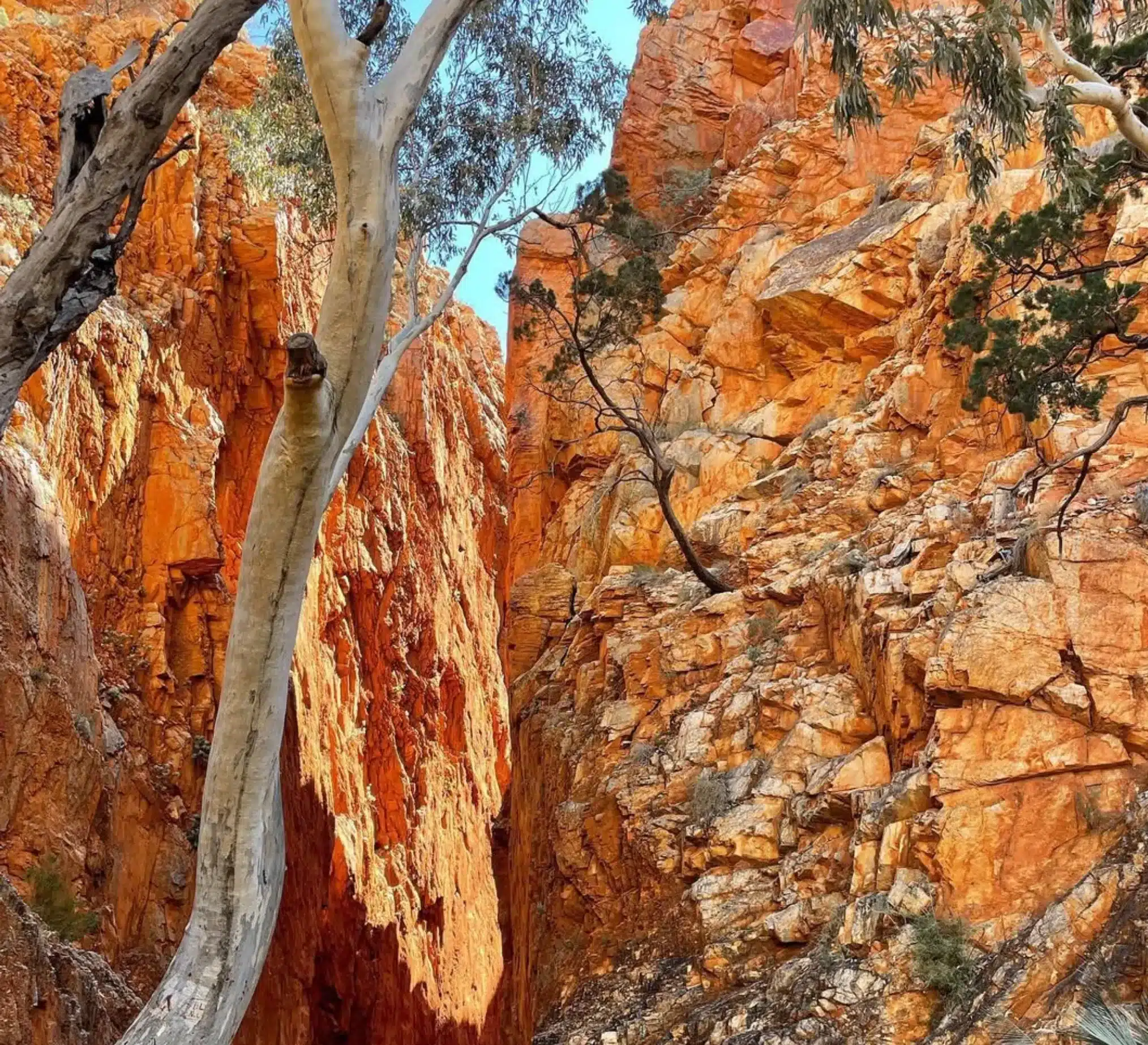
Winters in Uluru can be pretty chilly – think below freezing in the mornings. And in summer, the ground temperature can get so hot by mid-morning that walking tracks are closed.
So What Does the Weather Actually Feel Like?
May to August is generally the best time to tour. The cooler weather makes walking more enjoyable, flies are fewer and farther between, and camping out is a whole lot more comfortable.
September and October are still okay, but the heat starts to build fast.
November to March is when things get really tough. The desert can be brutal, and I’ve seen people bail out of short walks because they totally underestimated how dehydrated they’d get.
And let’s not even mention what happens after a big rain – entire roads can disappear overnight in a mess of mud and floodwater.
Down in the Outback, the weather is never to be trusted. Good tour operators always build in some flexibility to their itineraries because conditions can change on a dime.

The Real Uluru Experiences - Not Just Tourist Traps
Not every attraction around Uluru is worth your time.
Some are just plain touristy – but then again, they can still be fun.
The Field of Lights installation still delivers – even if it is a bit crowded. Do it right, just after sunset, with clear skies, and it’s actually pretty magical.
Camel rides? Well, they’re a bit of a cliche, but still worth doing if you’ve never done one.
The Segway tours around the base of Uluru? People are divided on these. Some love ’em, others reckon walking is the way to go.
To be honest, I’d go for the shorter guided walks and the cultural experiences – that’s where the real stories come from.
Paul's Final Thoughts On The Red Centre
The best way to see the Outback around Uluru is not about sneaking in somewhere you’re not supposed to be or pretending you stumbled upon some hidden gem just to brag about it on the internet
It’s about taking your time to get a feel for the land. The desert is a place that will reward you if you slow down a bit.
Most people who rush through end up leaving wishing they’d hung around a bit longer. On the other hand, those who give themselves time to explore remote tracks, soak up some of the local culture, do some proper bush camping, and just experience the peace and quiet of the desert… they’re the ones who leave with a real understanding of the place – not just some photos to post online
The difference is as simple as seeing Uluru with a passing glance versus actually experiencing the Red Centre with all its rugged beauty and depth.
Trust me – once you’ve actually felt the sun breaking over Kata Tjuta after a chilly desert night and all you can hear is the wind and the quiet of the spinifex grass around you, the crowded social media platforms start to look pretty dull in comparison
FAQ
Are remote 4WD experiences around Uluru a good fit for beginners?
Some of them are, but it’s not a blanket yes-or-no answer. There are plenty of smaller group tours that are perfect for first-time Outback travellers, whereas some of the more remote and rougher expeditions are definitely better suited to people with a bit of experience.
Can you actually visit those restricted cultural areas near Uluru?
No way, they’re off limits – even to guided groups. Responsible tour operators take cultural boundaries and traditional law very seriously and make sure to steer clear of those areas.
How much driving are we talking about on a multi-day Red Centre trip?
To be honest, most people end up doing a lot more driving than they expect to. You can easily rack up 4-7 hours on the road in a single day, depending on the weather, the state of the tracks, and how many stops you make along the way.
Is bush camping near Uluru going to be physically demanding?
It can be a shock to the system, to be honest. The heat and dust are obvious dangers, but cold nights, uneven ground, and pretty basic facilities can also catch people out. But with some decent preparation, you can make it a lot more manageable.
So what's the best base for exploring the Uluru region?
If you’re just in for a quick visit or a pre-planned tour, Yulara is probably your best bet. But for longer self-drive trips that take you out to Kings Canyon, the West Macs and some of the more out-of-the-way Red Centre spots, Alice Springs is probably a better base of operations.
Related Tours
- Departs / Arrives
- 7:35-20:30
- Starts / Finishes
- Melbourne
- Duration
- 1 day
- Style
- Original
- 165 AUD
- 110-125 AUD
- Departs / Arrives
- 8:00-18:00
- Starts / Finishes
- Melbourne
- Duration
- 1 day
- Style
- Original
- 158-175 AUD
- 139-155 AUD
- Departs / Arrives
- 07:35-19:30
- Starts / Finishes
- Melbourne / Adelaide
- Duration
- 3 / 2 nights
- Style
- Original
- 725 AUD
- 695 AUD
- Departs / Arrives
- 07:35-19:30
- Starts / Finishes
- Melbourne / Adelaide
- Duration
- 2 / 1 night
- Style
- Original
- 475-715 AUD
- Departs / Arrives
- 7:35-22:30
- Starts / Finishes
- Melbourne
- Duration
- 2 days
- Style
- Original
- 475-715 AUD
- Departs / Arrives
- 7:35-20:30
- Starts / Finishes
- Melbourne
- Duration
- 1 day
- Style
- Original
- 165 AUD
- 115 AUD