Am I Responsible For Increasing The Carbon Footprint When Visiting The Great Barrier Reef?
“Am I responsible for increasing the carbon footprint when visiting the Great Barrier Reef? Well, you do make a contribution, but here’s the cold, hard truth: your individual impact is a drop in the ocean compared to the effects of climate change, and your visit can actually be a force for good if you make a conscious effort to travel responsibly.
I’ve been showing travellers the wonders of the Great Barrier Reef for years, and I’ll put it bluntly: the reef doesn’t need any fewer tourists; it needs people who care enough to do it the right way. The greatest threats to the reef aren’t from snorkelers or reef tours – they’re from the massive build-up of greenhouse gases, the warming of the oceans, and the shifting weather patterns, all caused by global warming. You’re part of the problem, but you’re not the main culprit.
Table of Contents
Where Your Carbon Footprint Really Comes From
Most people assume it’s the boat trip or scuba diving session that’s the main issue – and it’s a fair point – but the truth is that’s not where the bulk of your carbon emissions come from. The real damage starts with how you get there and how you get around once you arrive.
Flights are a major player – the transport sector is a huge contributor to greenhouse gas emissions, and a single return flight to North Queensland can cancel out the good you do on the reef. I’ve seen people fly in for just a quick overnight trip – that’s when things get really expensive in terms of emissions. On the other hand, if you stick around a bit longer, your footprint starts to spread out. That’s a simple change that can make a big difference.
Once you land, the way you get around is more important than people think. Cairns Airport is a stone’s throw from the marina, but Port Douglas is a bit of a trek – about an hour up the coast. There are shuttle buses available (AUD 45-60) and rental cars that offer more freedom (AUD 70-120 per day), but parking in Cairns during peak season can be a nightmare. The public transport options are limited, so planning ahead and getting your transfers sorted can save you last-minute stress – and unnecessary emissions from taking multiple trips.
What A Reef Day Actually Feels Like
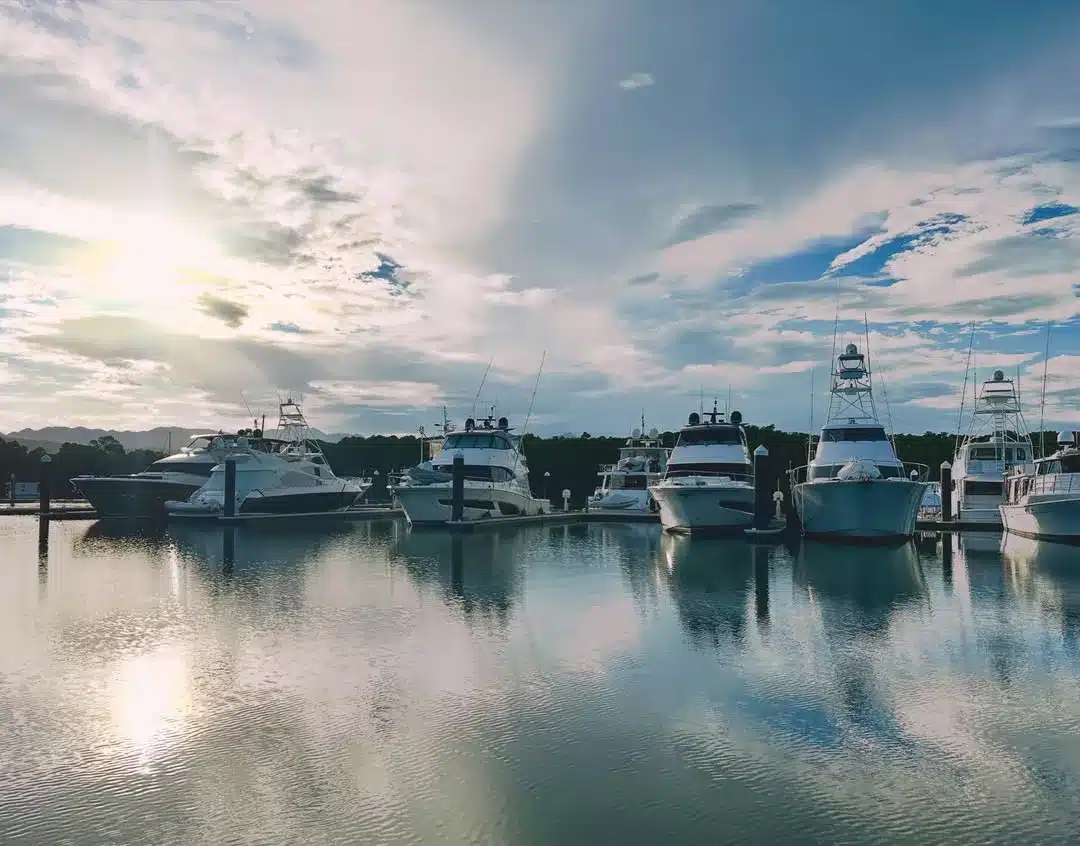
You check in around 7:30 am to grab a coffee & watch the marina slowly come to life. Boats head out between 8:00 & 8:30 am, but you’re not quite there yet – it’s a 60-90 minute boat ride out to the Moore Reef pontoon – one of the outer reef sites you’ll be visiting.
People often get caught out by the ride itself – it can be a smooth cruise one minute & a rough as hell ride the next, depending on how the wind is blowing. I’ve seen those perfect calm mornings turn into a bumpy ride on the way back in, even scaring off some of the seasoned travellers – they just stare off into the distance.
Once you’re actually out on the reef, you’ve got about 4-5 hours to play with, but don’t get too excited. Between all the safety briefings, tooling up for snorkelling & having lunch, you’re probably lucky to squeeze in 2-3 good, solid snorkelling sessions. And let’s not kid ourselves, snorkelling in currents is a whole lot harder than just floating around – it can be a real workout, especially if you’re not exactly the next David Attenborough.
And then comes the harsh reality check – people imagine being able to just lazily float over coral reefs all day, but the truth is, it’s the tide, currents, weather and your own energy levels that really determine what the day is going to be like.
Breaking Down The Real Deal
Now let’s get down to earth and take a look at what your impact really looks like in simple terms:
Activity
Approx CO₂ Emissions (Per Person)
What It Means On The Ground
Domestic Flight (Return)
0.2–0.4 tonnes
Biggest contributor
International Flight (Return)
1–2 tonnes
Major global impact
Reef Tour (Full Day)
10–30 kg
Managed, regulated impact
Accommodation (5 Nights)
50–150 kg
Depends on the energy source
Local Transport
20–80 kg
Easily reduced
The takeaway here is simple: your reef day isn’t the problem – it’s the way you get there that is.
The Bigger Threat: Climate Change and Reef Stress
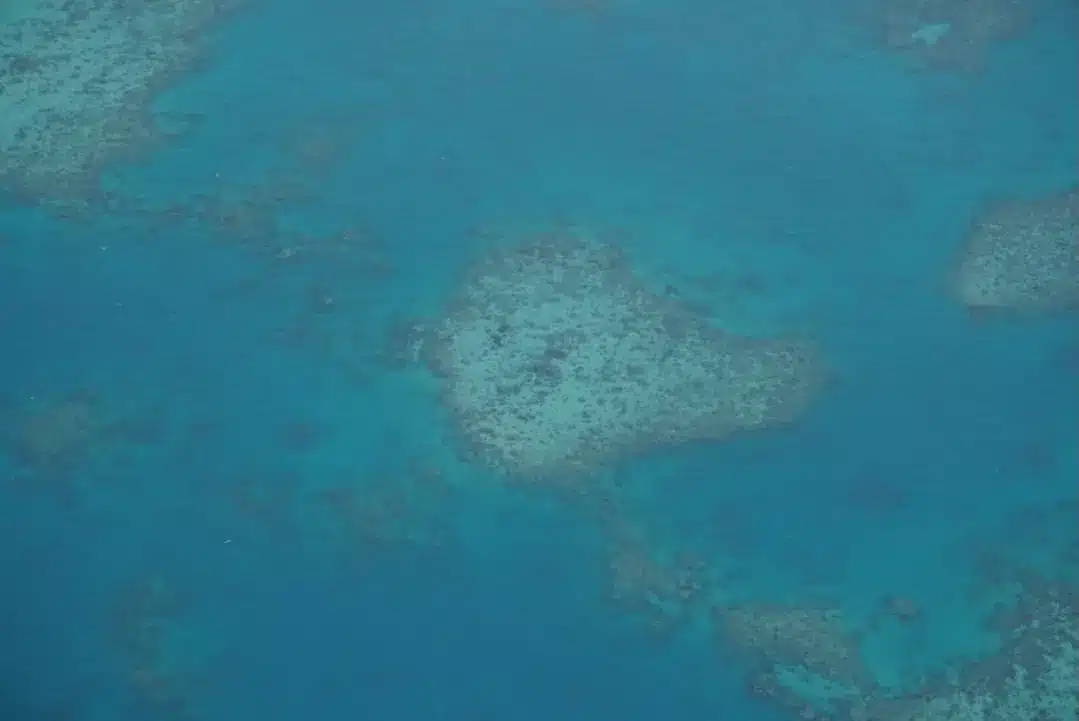
Coral reefs are getting hammered, but it’s not because some snorkeler got a bit too excited. The real stress comes from rising sea temperatures, ocean acidification, and these repeated bloody heatwaves that keep coming back. These trigger coral bleaching, in which coral polyps lose the tiny algae they rely on to survive.
Scientists at James Cook Uni have tracked numerous mass bleaching events across the reef system. And guess what – these events are all connected to our global greenhouse gas emissions – not some individual visitors.
Now, we can’t ignore local behaviour altogether. You still need to be careful – no touching the coral, don’t use the wrong sunscreen, and try not to kick up too much sediment. It’s not about freaking out – just being aware of how you can do some damage.
The Reality As Seen By Someone Who's Been There
I’ve seen it happen more times than I can count. A bloke jumps in the water and gets so excited to see a turtle that they forget everything they were told in the safety briefing. Next thing you know, they’re brushing against the coral without even realising.
No ill intent, but that’s how damage gets done.
What people mostly get wrong is thinking the reef is indestructible. It’s not. Coral polyps are delicate little buggers that take ages to grow. One careless moment and you can undo years of work.
But here’s the thing – once people actually understand that, they start getting on top of it. By the end of the day, that same bloke is floating more carefully, paying attention to where they are, and leaving the reef alone.
Finding Your Perfect Reef Day Tour
Not all reef trips are created equal. Some are super efficient, while others feel like a mad dash and are just too crowded. Operators like Quicksilver and Sunlover, and liveaboards like Spirit of Freedom, tend to follow pretty strict environmental rules.
They use moorings instead of anchors, keep visitors away from sensitive bits, and sometimes even contribute to monitoring programs like Reef Check or the Eye on the Reef app. That’s how you get marine tourism working in your favour.
If you only have one day to spare, try an outer reef trip – clearer water, healthier coral and a better chance of spotting some fish. Inner reef trips are shorter but often less impressive, especially after a few rough days.
Budgeting For Your Reef Day
A reef trip isn’t cheap, and that’s not a bad thing. The cost is what it costs – logistics, fuel, staff and making sure they’re not buggering up the reef.
Expect to pay:
AUD $180-$350 for a reef day tour
AUD $70-$150 for scuba diving (if you want to do it)
AUD $120-$400 per night for a room
Daily food and extras: AUD $50-$100
Seasonal Conditions The Real Deal
The dry season (May to October) is really your safest bet. Conditions are a lot more stable, humidity is down low, and visibility is usually spot on. It’s still warm – but at least you can handle it.
The wet season (November to April) is a whole different kettle of fish. It’s hot, it’s sticky, and it’s a total wild card. Cyclones can roll through, and the water clarity takes a dive after heavy rain. On the plus side, if you time it just right, you can catch a coral spawning event – that’s one of the most surreal natural experiences you’ll ever have.
Loads of travellers don’t get that temperatures are a big deal. When the water’s warmer, it’s a real stress on coral reefs – especially when it’s hot for a long time. And that’s when the risk of bleaching goes through the roof.
Carbon Offset, Climate Action, and Doing Your Part
There are carbon offset programs, as long as they align with a standard like the Gold Standard, that can help balance your emissions (especially those from flying). But let’s be real, it’s not a magic bullet.
Reducing emissions – fewer flights, longer stays, smart transport choices – they all have a way bigger impact on your carbon footprint than just offsetting. And yeah, doing both is the best option.
Some tour operators are starting to get on board with eco-friendly practices – reusable water bottles, no plastic, energy-efficient systems – that sort of thing. It’s not perfect, but it’s a step in the right direction.
Cultural Responsibility Reef Protection
The reef’s a part of Country, by the way. Local communities, like the Dingaal people, are doing some really cool work in environmental management and conservation. Their knowledge is super important for keeping marine sanctuaries safe and keeping the ecosystem ticking over.
Respecting this stuff isn’t just a matter of being culturally sensitive – it’s actually common sense. If we want to keep the reef healthy in the long run, we’ve got to look after the Country.
So, Should You Feel Responsible?
Yeah, you probably should – but don’t be beating yourself up about it.
You’re in charge of your own choices, your own actions, and your own carbon emissions. But you’re also supporting conservation, research, and sustainable tourism – so that’s something to be proud of.
It’s all about balance – that’s what matters.
Final Takeaway: Travel Better, Not Less
If you’re asking yourself, “Am I really contributing to the carbon footprint by visiting the Great Barrier Reef?” then good on you, you’re ahead of the game.
Protecting the reef isn’t about staying away; it’s about showing up prepared, informed, and with a healthy dose of respect. Choose operators who actually care, look after marine life, cut down on waste, and think about how you’re travelling – not just where you’re going.
That’s the way to keep the reef standing.
And if you want some tips on choosing a Barrier Reef Tours that actually puts its money where its mouth is – then fire me a message. We’ve seen what works and what doesn’t, so I can give you the lowdown on what to look for.
No – the truth is it’s global warming, rising sea surface temperatures, and the odd marine heatwave that’s causing the coral bleaching – not the occasional tourist who decides to visit.
Yes, they do – your standard sunscreens, on the other hand, can cause some real damage to coral polyps and wreak a bit of havoc in the marine ecosystem.
Yes, they do – your standard sunscreens, on the other hand, can cause some real damage to coral polyps and wreak a bit of havoc in the marine ecosystem.
Yes, it can – the right kind of sustainable tourism actually helps fund conservation projects, monitoring, and all the environmental management programs too.